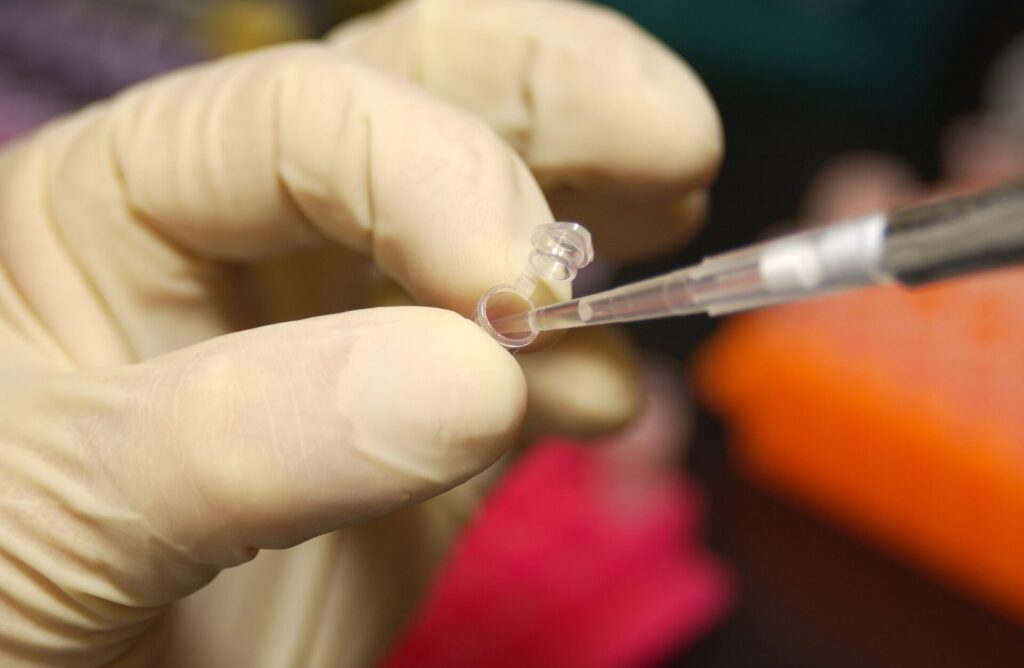

Exosomes for hair loss are a newer, still experimental treatment in which tiny cell-derived particles are applied to or injected into the scalp to try to stimulate hair follicles. Early lab and small clinical studies are promising, but there is not yet strong evidence from large controlled trials, and the products used vary a lot. Treat it as an add-on to consider with a dermatologist, not a replacement for proven options.
What exosomes are
Exosomes are extracellular vesicles: microscopic packages released by cells that carry proteins, lipids and genetic messages such as microRNA to other cells. Researchers became interested in them because they seem to be one of the ways stem cells signal to surrounding tissue. In hair research, the idea is that exosomes from certain cell types might nudge dormant follicles back into the growth phase and reduce inflammation around the follicle.
The exosome products marketed to clinics are usually derived from cultured cells, such as mesenchymal stem cells from adipose tissue, bone marrow or umbilical cord, and sometimes from plant sources. They are not the same as PRP, which is made from your own blood on the day of treatment.
How the treatment is usually done
Protocols differ between clinics, which is part of the problem when comparing results. A typical session looks like this:
- Consultation and scalp assessment, ideally with a diagnosis of the type of hair loss.
- Cleansing of the scalp and application of numbing cream or a local anaesthetic.
- Delivery of the exosome solution by small injections across thinning areas, or by microneedling followed by topical application.
- Aftercare instructions, usually avoiding washing the scalp and strenuous exercise for a day.
Some clinics recommend a single session, others a course. There is no agreed standard for dose, frequency or source of exosomes.
How strong is the evidence?
This is the honest answer most readers need. Laboratory and animal studies suggest that some exosome types can support hair follicle cells. A small number of human studies and case series have reported improvements in hair density in androgenetic alopecia. However, most are small, short, and lack a proper placebo group, and products differ from study to study.
| Treatment | Strength of evidence for pattern hair loss | Notes |
|---|---|---|
| Topical minoxidil | Strong, many controlled trials | Available without prescription in many countries |
| Oral finasteride (men) | Strong, many controlled trials | Prescription only; side effects need discussion |
| Low-level laser therapy | Moderate | Several devices studied; results vary |
| PRP | Moderate, mixed results | Depends heavily on preparation method |
| Exosomes | Early, limited | Small studies, non-standard products |
Exosomes are interesting science, but today they belong in the “promising, not proven” column.
Regulatory status
In the United States, the FDA has stated that it has not approved any exosome products for hair loss and has issued public warnings about unapproved products marketed with health claims. In the UAE, medical products and procedures are regulated by MOHAP at the federal level, with the DHA in Dubai and the DOH in Abu Dhabi licensing facilities and practitioners. Before any treatment, ask the clinic what product is used, who makes it, and what approval or registration it has in the UAE.
Questions to ask before booking
- Which exact product will be used, and what is its cell or plant source?
- Is the product registered or authorised for use in the UAE?
- Who performs the procedure, and are they licensed by the DHA, DOH or MOHAP?
- What results do you expect for my specific type of hair loss, and over what time frame?
- What will be done if there is a reaction or infection?
Who might consider it
Exosome treatment is most often discussed for androgenetic alopecia (male and female pattern hair loss) in people who still have some miniaturised hair, rather than smooth bald skin. It is sometimes offered after hair transplants to support healing, though evidence for that use is also limited.
It is not a fix for hair loss caused by iron deficiency, thyroid disease, crash dieting, medication or scarring alopecia. Those need the cause identified and treated. That is why a diagnosis comes first. Our hair loss stages guide helps you describe your pattern before the consultation.
Who should avoid it or wait
- People with active scalp infection, open wounds or an inflammatory scalp flare.
- Pregnant or breastfeeding women, as safety has not been studied.
- Anyone with active cancer or a history of cancer, unless cleared by their oncologist, because the long-term effects of growth signalling are not known.
- People with bleeding disorders or on blood thinners, if injections are planned.
- Anyone with a known allergy to components of the product.

Possible side effects
Reported side effects in studies are usually mild and short-lived: redness, tenderness, swelling, and pinpoint bleeding from injections or microneedling. The larger concern is with poorly controlled products, where contamination could cause infection. That risk is why the source and handling of the product matter so much.
Red flags after any scalp injection
Seek medical care if you notice spreading redness, increasing pain after the first two days, pus, fever, or a hard, hot swelling. These can be signs of infection.
Cost and value in the UAE
Prices for exosome sessions vary widely between clinics and products, and are usually higher than PRP. Because evidence is limited, it is worth asking whether you have tried the proven first-line options, such as minoxidil and, for suitable men, finasteride, under a doctor’s guidance. Many dermatologists in the UAE will suggest starting there and adding procedures only if needed.
Photographs taken in the same light and position before treatment and every three months afterwards are the most reliable way to judge whether anything is working. Hair grows slowly, so early changes are rarely visible before three to four months.
Combining exosomes with other treatments
Some clinics combine exosomes with microneedling, PRP or topical medication. There is a logic to combining treatments that work by different mechanisms, but stacking several unproven methods makes it impossible to tell which one helped and increases cost. Ask your doctor for a clear plan with a review date.
Frequently asked questions
Are exosomes the same as stem cell therapy?
No. Exosomes are particles released by cells, not the cells themselves. They are often marketed alongside stem cell language, which can be confusing. Ask the clinic exactly what is in the vial.
How many sessions are needed?
There is no agreed protocol. Clinics recommend anything from one to several sessions. Ask why a particular number is suggested for you and when results will be reviewed.
Do results last?
There is not enough long-term data to say. If the underlying cause, such as androgenetic alopecia, continues, ongoing maintenance treatment is usually needed, as with other options.
Is it better than PRP?
There is no good head-to-head evidence. PRP uses your own blood and has more published studies, though results are mixed. Exosome products are newer and less standardised.
Sources: American Academy of Dermatology, U.S. Food and Drug Administration, Ministry of Health and Prevention UAE
Last reviewed: 2026-11-25. General information only, not medical advice. Please consult a licensed practitioner in the UAE about your own situation.