
Laser therapy for hair loss usually means low-level laser therapy (LLLT), also called photobiomodulation: red or near-infrared light from lasers or LEDs is shone on the scalp to stimulate hair follicles. It is used mainly for androgenetic alopecia (pattern hair loss) in men and women. Controlled trials show it can modestly increase hair density in some people, it is painless and generally safe, but it needs regular use for months and results stop if you stop.
How low-level laser therapy works
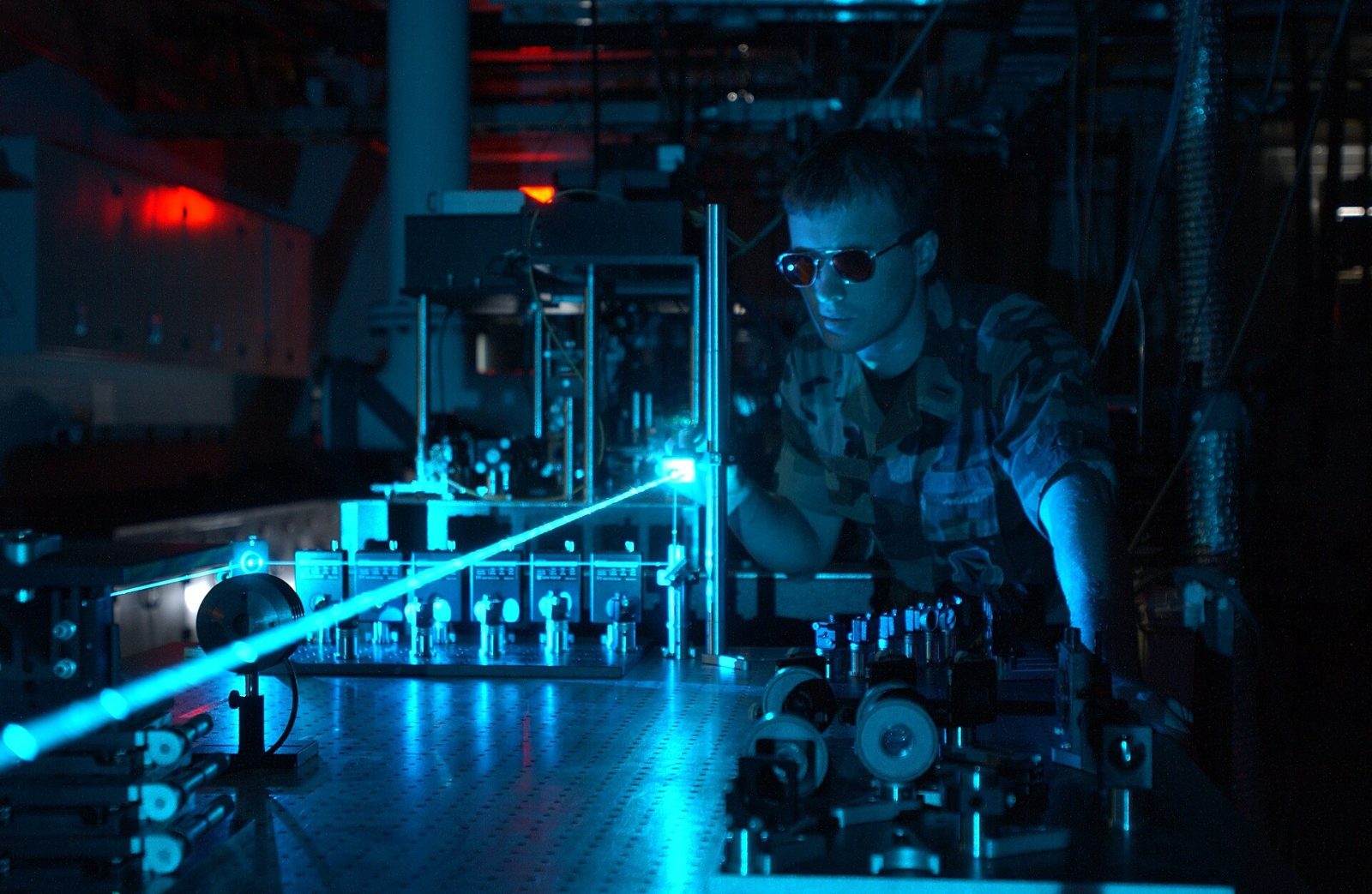
LLLT uses light at low power, which does not cut or heat tissue, unlike surgical or hair-removal lasers. Wavelengths in the red range, often around 650 to 680 nanometres, are thought to be absorbed by cell components involved in energy production. Researchers believe this may boost follicle activity, extend the growth phase and reduce inflammation, though the exact mechanism is still studied.
Types of device
| Type | How it is used | Typical schedule | Pros | Cons |
|---|---|---|---|---|
| Laser cap or helmet | Worn on the head at home | Several sessions a week, often 20 to 30 minutes | Hands-free, covers whole scalp | Higher upfront cost |
| Laser comb or brush | Moved slowly over the scalp | Short sessions several times a week | Lower cost | Time-consuming, easy to miss areas |
| Laser band | Headband-style device | Short sessions | Portable | Coverage varies |
| In-clinic panel | Sit under a panel at a clinic | Regular appointments | No device to buy | Frequent visits, ongoing cost |
Several home devices have been cleared by the US FDA for androgenetic alopecia; clearance means the device was judged safe and comparable to existing devices, not that it works for everyone.
What the evidence shows
Randomised controlled trials and meta-analyses have found that LLLT devices increase hair density compared with sham (inactive) devices in men and women with androgenetic alopecia. The effect is generally modest, and response varies. It appears most useful for:
- Early to moderate thinning, where follicles are miniaturised but still present.
- People who cannot use or want to add to medical treatments.
- Combining with minoxidil or other therapies.
It does not regrow hair on completely bald, shiny skin, and it is not a treatment for scarring alopecia. Evidence for alopecia areata and other types of hair loss is limited.
Laser therapy is a slow, steady helper: helpful for some, dramatic for few, and only while you keep using it.
Realistic expectations
Timeline
- First 2 to 3 months: usually little visible change; some people notice less shedding.
- 4 to 6 months: assess with photos taken in the same conditions.
- Beyond 6 months: continued use needed to maintain any improvement.
If there is no improvement after six months of consistent use, discuss alternatives with your dermatologist. Our hair loss stages guide helps you track where you are.
Safety and who should avoid it
LLLT is generally well tolerated. Reported side effects include mild scalp itching, tenderness, redness or a warm sensation.
Check with a doctor before using LLLT if you
- Have a history of skin cancer or suspicious lesions on the scalp.
- Take medicines that make the skin sensitive to light.
- Have a light-sensitive condition such as photosensitive epilepsy or certain skin disorders.
- Are pregnant, as safety has not been studied.
- Have a scalp that is broken, infected or inflamed.
Do not look directly into the lasers or LEDs, and follow the manufacturer’s eye safety instructions.
Getting the most from a home device
Consistency matters more than anything else with LLLT. Most trials used devices several times a week for months, and people who skip sessions are less likely to see a benefit. A few practical habits help:
- Set a fixed routine, for example while reading in the evening or after a shower, so sessions are not forgotten.
- Use it on a clean, dry scalp without heavy oils, gels or sprays that may block light.
- Part or lift longer hair if the manufacturer recommends it, so light reaches the scalp.
- Do not exceed the recommended time. More light is not more effective and may irritate the skin.
- Keep a simple log of sessions and take photos every three months under the same lighting.
Clinic sessions versus home use
Some clinics in the UAE offer in-office laser or LED sessions, often as part of a package with PRP or medication. Clinic devices are not necessarily more effective than good home devices; the main differences are convenience, supervision and cost. Frequent travel to a clinic several times a week is hard for many people, which is why home caps have become popular. If you prefer clinic treatment, ask how many sessions per week are planned, how long each lasts, and what the total cost will be over six to twelve months.
Buying a device in the UAE
Checklist
- Get a diagnosis first, so you know LLLT is appropriate for your type of hair loss.
- Look for devices with regulatory clearance and published clinical data, and check the device is approved for sale in the UAE.
- Compare the number of laser diodes versus LEDs, wavelength and recommended session time.
- Check UAE plug compatibility, battery life and local warranty.
- Buy from authorised sellers; counterfeit devices may not emit the stated light.
Costs vary widely by type and brand. Compare the total cost of ownership with clinic sessions over a year.
Combining with other treatments
Many dermatologists use LLLT as an add-on to minoxidil, finasteride, or procedures such as PRP. See our guides to PRP and microneedling with PRP. Adding several treatments at once makes it harder to tell which helps, so a structured plan with review dates is useful.
Frequently asked questions
Does laser therapy for hair loss really work?
Controlled trials show modest improvements in hair density for many people with pattern hair loss. It is not effective for everyone.
How long does each session take?
Depending on the device, from a few minutes to around half an hour, several times a week.
Can women use laser caps?
Yes. Studies include women with female pattern hair loss, and several devices are designed for women.
Is it the same as laser hair removal?
No. Hair removal lasers use high energy to damage follicles. LLLT uses low energy intended to stimulate them.
Sources: American Academy of Dermatology, U.S. Food and Drug Administration, International Society of Hair Restoration Surgery
Last reviewed: 2026-11-25. General information only, not medical advice. Please consult a licensed practitioner in the UAE about your own situation.