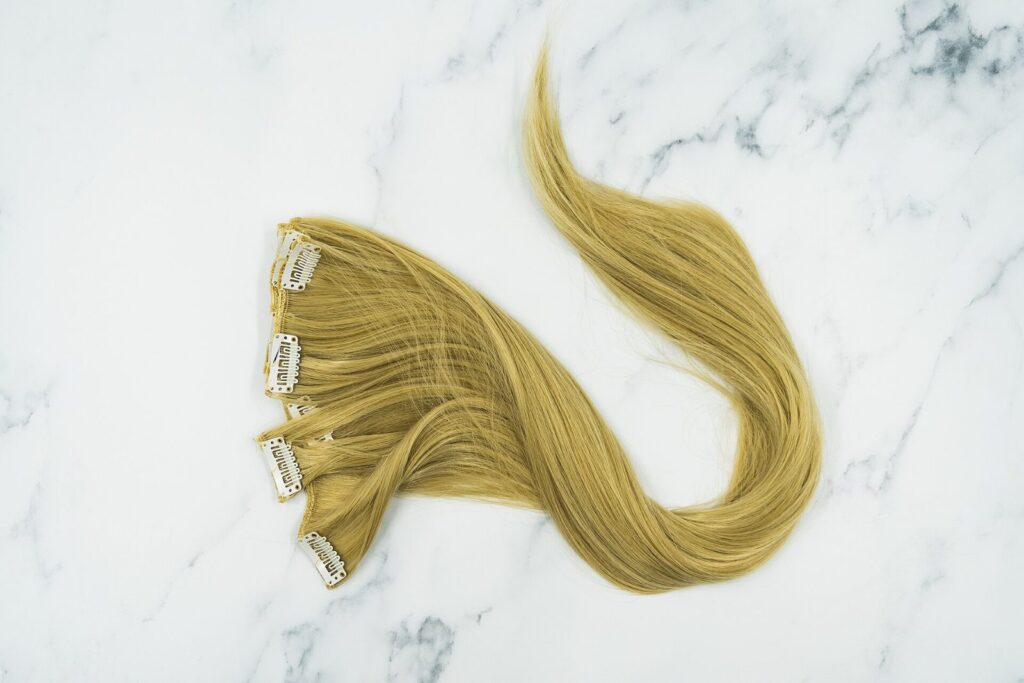

It depends on two things: how long one installation can stay in before it needs maintenance, and how long the extension hair itself survives. Semi-permanent methods such as tapes and micro beads typically need a move-up every six to ten weeks, keratin bonds are often worn for a few months, and good-quality human hair can sometimes be reused across several installations if it is well looked after. Synthetic hair and cheap human hair wear out much faster.
Two different “lifespans”
People often mix these up, which leads to disappointment:
- Wear time is how long extensions can stay attached before they grow out too far from the scalp and need moving up, tightening or removing.
- Hair lifespan is how long the extension hair stays soft, smooth and tangle-free enough to keep using.
You might wear tape-ins for six weeks, have them moved up, and repeat this several times with the same hair. Or you might have keratin bonds in for three months, then find the hair is too tired to reuse.
Typical timelines by method
| Method | Typical wear time per installation | Can the hair be reused? |
|---|---|---|
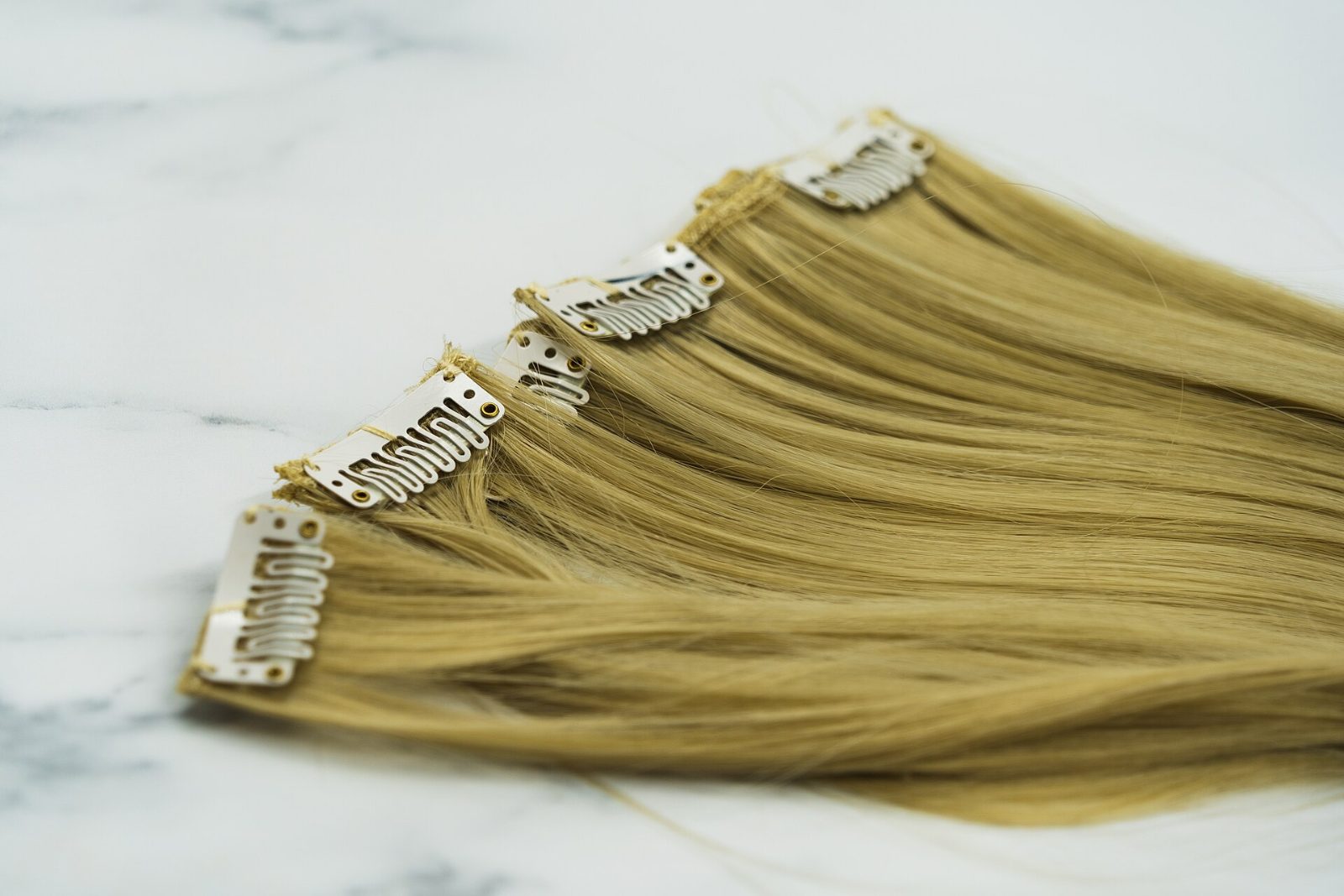
| Clip-in | Removed daily; worn as needed | Yes, often for many months with care |
| Tape-in | Around 6 to 8 weeks before move-up | Often, with fresh tape each time |
| I-tip / micro bead | Around 6 to 10 weeks before tightening | Often, if strands stay in good condition |
| Keratin bond (fusion) | Often around 3 to 4 months | Sometimes re-bonded; often replaced |
| Sewn-in or beaded weft | Around 6 to 10 weeks before move-up | Often, depending on hair quality |
| Synthetic (any method) | Shorter; tangles and frizzes sooner | Usually limited |
These are general ranges reported by stylists, not guarantees. Fast-growing hair, sweat, swimming and lack of brushing all shorten wear time.
What makes extension hair last longer
Quality. Human hair with the cuticle intact and aligned in one direction (often labelled Remy) tends to tangle less and last longer than hair with stripped or mixed cuticles. Ask your stylist where the hair comes from and what grade it is.
Daily brushing. Extension hair does not receive natural oils from your scalp, so it dries out and tangles more easily. Gentle brushing two or three times a day, from ends upward, prevents knots from building.
Heat control. Every pass with a hot tool wears the hair. Use heat protectant, lower temperatures and fewer passes.
Washing habits. Fewer, gentler washes help. Use sulphate-free products and keep conditioner and oils on the lengths, away from tapes, bonds and beads.
Night routine. A loose plait and a silk or satin pillowcase reduce friction and matting.
Habits that add months
- Brush before bed, after exercise and after washing.
- Dry roots fully; never sleep with damp attachments.
- Rinse out chlorine and salt water quickly, then condition the lengths.
- Use a leave-in conditioner on the ends in dry, air-conditioned environments.
- Book maintenance on time rather than stretching appointments.
The UAE factor
Hot summers, high coastal humidity in Dubai and Abu Dhabi, and long hours in air-conditioning all affect extensions. Sweat at the scalp loosens adhesives and causes matting near the roots. Pool and sea swimming dry out the lengths. Air conditioning removes moisture from hair. Many wearers find they need to brush more often and condition the ends more in summer, and some plan installations for the cooler months.
Some people also feel their hair is drier with local tap water. A shower filter or an occasional gentle clarifying wash, followed by conditioner on the lengths, may help. Ask your stylist which products suit your attachment method.
Lifestyle factors that shorten wear time
Two people with identical extensions can get very different results. The biggest differences usually come from daily life:
- Exercise. Daily gym sessions, running outdoors or hot yoga mean more sweat at the roots, which loosens bonds and tapes and encourages matting. Tie hair loosely and dry the roots soon after.
- Head coverings. Wearing a scarf, hijab or cap for long hours creates warmth and friction at the scalp. Soft under-scarves and avoiding tight pins over attachments help.
- Hair growth rate. Fast-growing hair pushes attachments down sooner, so maintenance comes around more quickly.
- Styling habits. Daily straightening or curling, tight high ponytails and back-combing all wear extension hair faster.
- Sleep. Sleeping with loose, damp or unbrushed hair is one of the quickest ways to create root matting.
- Travel. Long flights, hotel products and changes in water can dry hair out; pack your usual gentle shampoo and a brush suited to extensions.
Being honest with your stylist about these habits helps them choose a method and maintenance schedule that suits your life.
Signs it is time for maintenance or removal
- Attachments have grown well away from the scalp and hang or twist.
- Matting is forming at the roots that you cannot gently separate.
- The extension hair feels rough, frizzy or tangles within minutes of brushing.
- Visible attachments in your usual styles.
- Scalp tenderness, itching or bumps around attachments.
Remove extensions and see a dermatologist if you notice
- Patches of thinning or gaps where attachments sit
- Broken hairs at the root or a receding hairline
- Persistent scalp pain, redness or pus
These can be signs of traction alopecia or infection. Traction hair loss can become permanent if tension continues, so do not wait.
Extensions last longest when your own hair and scalp stay healthy. Look after the roots first, the lengths second.
Giving your hair a break
Many stylists suggest occasional breaks between long periods of semi-permanent extensions, so your natural hair and scalp can recover. A break also lets you check honestly whether your hair has thinned, broken or receded. If you notice changes, a dermatologist can assess your scalp, and our hair loss stages guide can help you describe what you see.
Clip-ins are a useful option during breaks, because they are removed daily and place no constant tension on the roots.
Budgeting realistically
Because extensions involve both the hair and the ongoing salon visits, the true cost includes maintenance appointments, new tape or beads, products and eventual replacement hair. Prices vary between salons and emirates, so ask for a written breakdown of fitting, maintenance and removal costs before you commit.
Frequently asked questions
Do human hair extensions last longer than synthetic?
Generally yes. Human hair handles heat and washing better and can often be reused, while synthetic hair tangles and frizzes sooner.
Can I reuse my extensions after removal?
Often, if the hair is good quality and well cared for. Your stylist will judge whether it is still in reusable condition.
Does swimming shorten the life of extensions?
It can. Chlorine and salt water dry the hair and loosen attachments. Tie hair up, rinse soon after and condition the lengths.
How long can I keep extensions in without a break?
There is no fixed rule. Keep maintenance on schedule and watch for signs of stress on your natural hair.
Sources: American Academy of Dermatology, British Association of Dermatologists, NHS
Cover photo: geehairimages, CC BY 2.0. Last reviewed: 2026-11-25. General information only, not medical advice. Please consult a licensed practitioner in the UAE about your own situation.