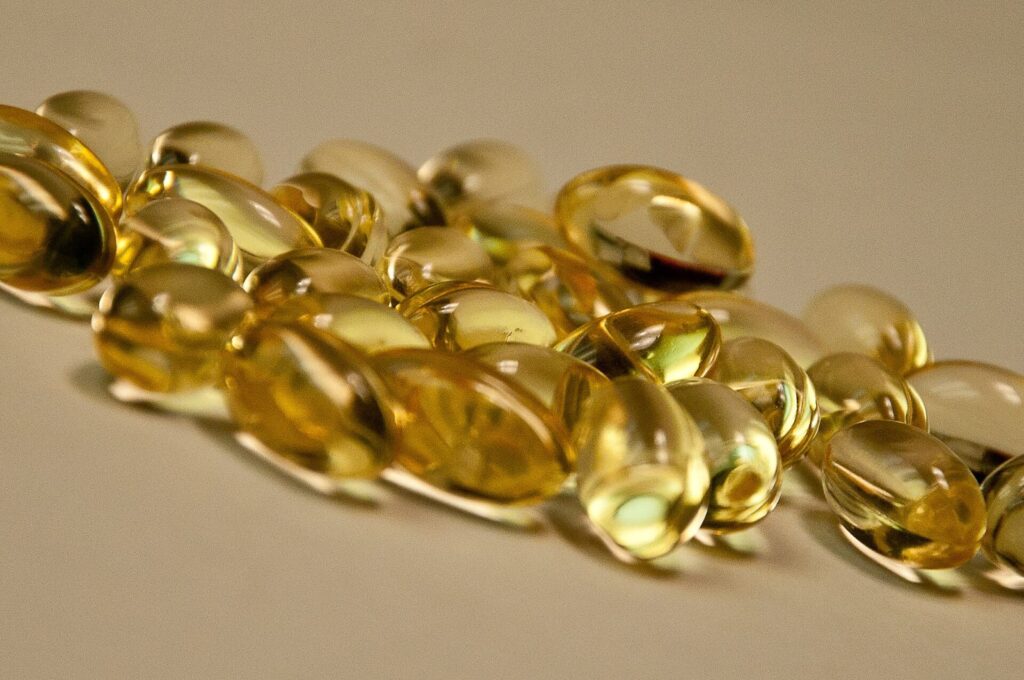

Vitamins help hair loss mainly when the hair loss is caused by a deficiency. The most relevant are iron (with ferritin, the iron store), vitamin D, vitamin B12, folate and zinc, plus enough protein overall. If your levels are normal, extra vitamins are unlikely to regrow hair, and some, such as vitamin A and selenium, can cause hair loss when taken in excess. A blood test with your doctor is the sensible first step.
How nutrition affects hair
Hair follicles are among the fastest-dividing cells in the body, so they are sensitive to shortfalls in energy, protein and certain micronutrients. When the body is short of something, hair growth is not a priority. The usual result is telogen effluvium: diffuse shedding that starts two to three months after the trigger, such as a crash diet, illness, surgery, childbirth or a deficiency developing.
Nutrition does not cause or cure androgenetic alopecia (pattern hair loss), which is driven by genetics and hormones. However, deficiencies can make any type of hair loss look worse.
The nutrients that matter most
| Nutrient | Link to hair | Who is at higher risk | Notes |
|---|---|---|---|
| Iron and ferritin | Low iron stores are associated with shedding, especially in women | Heavy periods, pregnancy, vegetarian or vegan diets, blood donors | Iron supplements only when tests show a need |
| Vitamin D | Low levels are linked in studies with several hair loss types | People with little sun exposure, covered clothing, darker skin | Deficiency is commonly reported in the UAE |
| Vitamin B12 | Deficiency can cause tiredness, anaemia and hair changes | Vegans, older adults, people on metformin or acid-reducing drugs | Test before supplementing |
| Folate | Needed for cell division | Poor diet, pregnancy, some medicines | Often checked with B12 |
| Zinc | Deficiency linked to hair loss | Restrictive diets, gut absorption problems | Excess zinc lowers copper |
| Protein | Hair is made of keratin, a protein | Very low-calorie or poorly planned diets | Fix the diet first |
| Biotin | Deficiency is rare | Rare genetic conditions, certain medicines | Interferes with lab tests |
Our separate guide to biotin for hair loss covers biotin in detail.
Why testing comes first
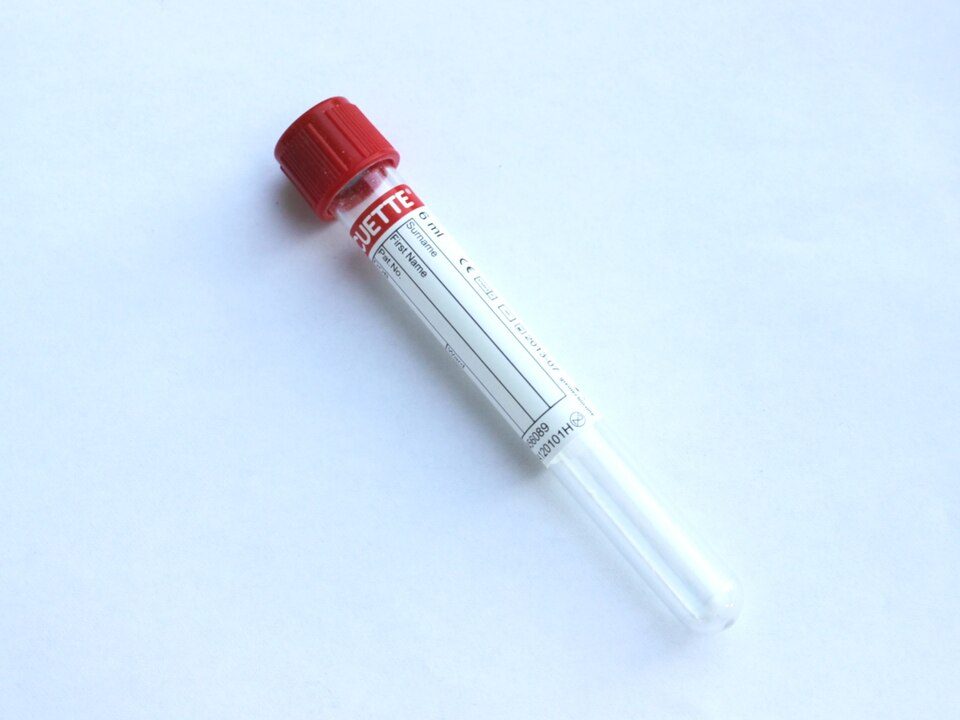
Many hair supplements combine a dozen ingredients. If you take one without knowing what you lack, you may miss the real cause, overdose on something you do not need, or mask a problem in blood tests.
Tests a doctor may consider for hair shedding
- Full blood count and ferritin.
- Vitamin D (25-hydroxyvitamin D).
- Vitamin B12 and folate.
- Thyroid function.
- Zinc, in some cases.
- Hormone tests for women with irregular periods, acne or excess facial hair.
Which tests are appropriate depends on your symptoms and history. A dermatologist or GP in the UAE can arrange them, and many health insurance plans cover tests ordered by a doctor; check your policy.
A supplement works for hair only when it corrects something that is actually missing.
Vitamin D in a sunny country
It surprises many people that vitamin D deficiency is common in the UAE despite strong sunshine. Reasons include spending most of the day indoors in air conditioning, avoiding midday heat, covered clothing and sunscreen use. If tests show low vitamin D, your doctor will suggest a dose and a recheck. Do not take high doses without monitoring: too much vitamin D can raise calcium levels and cause harm.
Too much can cause hair loss
Supplements that can backfire
- Vitamin A: excessive intake, including from high-dose supplements or some acne medicines, can cause hair loss.
- Selenium: too much can cause hair and nail loss.
- Zinc: long-term high doses can cause copper deficiency.
- Iron: unnecessary iron can build up and harm organs; keep iron away from children, as overdose is dangerous.
- Biotin: high doses can give falsely high or low results in some lab tests, including thyroid and heart tests. Tell your doctor and lab if you take it.
Diet before pills
A varied diet covers most needs for most people. Useful foods include:
- Iron: red meat, poultry, fish, lentils, beans, spinach; vitamin C helps absorption of plant iron.
- Vitamin D: oily fish, eggs, fortified milk or yoghurt.
- B12: meat, fish, eggs, dairy; fortified foods for vegans.
- Zinc: meat, shellfish, seeds, nuts, legumes.
- Protein: eggs, dairy, fish, meat, legumes, tofu.
If you follow a vegan diet, a B12 supplement is generally recommended. Talk to your doctor or a dietitian about other nutrients.
When to see a doctor
Hair loss linked to deficiency usually improves over several months once the deficiency is corrected, because hair grows slowly. See a doctor if shedding lasts more than a few months, if you have patches of hair loss, or if you also have symptoms such as tiredness, weight changes, feeling cold, heavy periods or palpitations. Seek prompt care if you notice scalp pain, scarring or redness with hair loss.
Our hair loss stages guide can help you describe the pattern. If you are not sure who to see, read for hair loss, which doctor to consult.
Who should not self-prescribe supplements
- Pregnant or breastfeeding women, who need specific prenatal advice.
- People with kidney or liver disease.
- Anyone taking blood thinners, thyroid medicines or other regular medication, because of interactions.
- People with a history of kidney stones, for calcium and vitamin D.
- Children and teenagers.
Frequently asked questions
What is the best vitamin for hair loss?
There is no single best vitamin. The right one is whichever you are low in, which a blood test can show. Iron and vitamin D are among the most commonly checked.
How long do vitamins take to help hair?
If a deficiency is corrected, shedding usually slows over two to three months, and visible regrowth can take six months or more.
Can hair gummies cause hair loss?
They rarely cause it at normal doses, but stacking several products can push vitamin A or selenium too high. Check total doses across all supplements.
Should I take biotin?
Only if a doctor suggests it. Biotin deficiency is rare, and high doses can interfere with blood tests.
Sources: American Academy of Dermatology, NIH Office of Dietary Supplements, Dubai Health Authority
Cover photo: Oregon State University, CC BY-SA 2.0. Last reviewed: 2026-11-25. General information only, not medical advice. Please consult a licensed practitioner in the UAE about your own situation.