
Microneedling with PRP combines two treatments: a device with fine needles makes tiny controlled punctures in the scalp, and platelet-rich plasma made from your own blood is applied to or injected into the area. The idea is that the micro-injuries trigger a healing response and help the growth factors in PRP reach the follicles. Small studies suggest the combination may improve hair density in pattern hair loss more than either alone, but the evidence is still limited and results vary between people and clinics.
The two parts of the treatment
Microneedling
A dermaroller, stamp or motorised pen with very fine needles creates many tiny channels in the scalp skin. In skin research, these micro-injuries stimulate wound-healing signals. In hair studies, microneedling has been used alongside minoxidil, with several trials reporting better results than minoxidil alone.
Platelet-rich plasma (PRP)
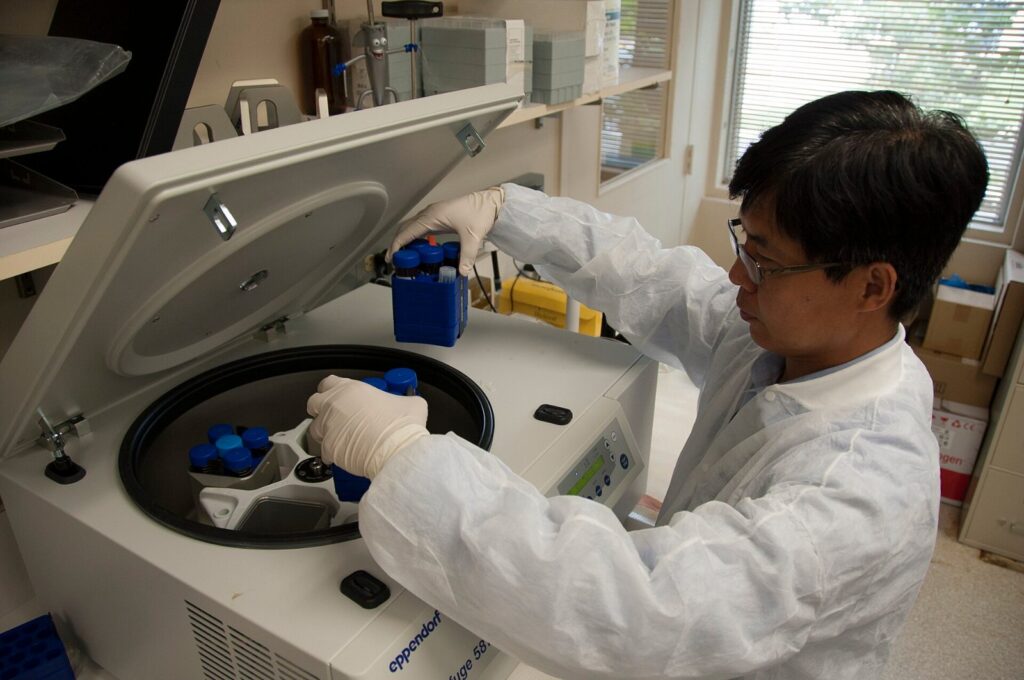
A small amount of your blood is taken and spun in a centrifuge to concentrate platelets in plasma. Platelets release growth factors involved in tissue repair. PRP is then injected into thinning areas or applied after microneedling. Our guides to PRP and PRP treatment in Dubai explain PRP in more depth.

How a session usually runs
- Assessment: diagnosis of the type of hair loss and photos.
- Blood draw: usually from the arm, similar to a routine blood test.
- PRP preparation: the sample is spun, typically for several minutes.
- Numbing: topical anaesthetic cream or local anaesthetic.
- Microneedling: over thinning areas at a depth chosen by the practitioner.
- PRP application: injected, applied over the treated skin, or both.
- Aftercare instructions.
A session typically takes about an hour including preparation.
What the evidence says
| Approach | Evidence for androgenetic alopecia |
|---|---|
| Minoxidil alone | Strong |
| Microneedling plus minoxidil | Several small trials show added benefit |
| PRP alone | Moderate, mixed; depends on preparation |
| Microneedling plus PRP | Small studies suggest benefit; limited high-quality trials |
Problems with the evidence include small study sizes, short follow-up, and very different PRP preparation methods and microneedling depths between studies. Microneedling with PRP is best seen as an add-on to proven first-line treatments, not a replacement.
Microneedling with PRP is an add-on: it works best on top of a solid treatment plan, not instead of one.
Typical treatment course
Clinics often suggest an initial course of several sessions spaced about a month apart, followed by maintenance sessions every few months. There is no single agreed protocol. Hair growth is slow, so improvements are usually judged after three to six months using standardised photos.
Getting a fair assessment of results
- Take photos in the same light, angle and hairstyle before the first session.
- Repeat them every three months.
- Keep using any medication your doctor prescribed so you are not comparing different situations.
- Ask the clinic how they will judge success and when you will review the plan.
Side effects
Common and usually short-lived:
- Redness and mild swelling of the scalp for a day or two.
- Pinpoint bleeding and tenderness.
- Mild headache.
- Bruising at the blood draw site.
- Temporary shedding in the weeks after, in some people.
Seek medical advice if you notice
- Increasing redness, warmth, pain or pus on the scalp, which may signal infection.
- Fever.
- Swelling that spreads to the forehead or eyes and keeps increasing.
- Persistent rash or blistering.
Who should avoid it or check first
- People with active scalp infection, psoriasis flare, open wounds or acne on the scalp.
- Those with bleeding or platelet disorders, or taking blood thinners.
- People with active cancer, particularly blood cancers.
- Anyone with a tendency to keloid scarring.
- Pregnant or breastfeeding women, as safety is not well studied.
- People with uncontrolled diabetes or poor wound healing.
Also tell the doctor about anti-inflammatory painkillers and supplements, as some affect platelets.
Aftercare in the UAE
- Avoid washing the scalp for the period your clinic advises, often until the next day.
- Avoid sweating heavily, gym sessions, saunas and swimming pools for a day or two.
- Keep the scalp out of direct strong sun in the first days, wearing a loose hat if needed.
- Do not apply styling products, oils or minoxidil until your clinic says it is fine, often after 24 hours.
Microneedling with PRP for the face
The same combination is widely offered for facial skin, often marketed as a “vampire facial”, to improve texture, fine lines and acne scarring. That is a separate use with its own evidence and risks, and the needle depth and settings differ from scalp treatment. If you are interested in facial treatment as well, ask whether the clinic plans them on different days and how aftercare differs. Our article on PRP treatment for face covers the facial side.
Whatever the area, sterile single-use needle cartridges and proper handling of blood products are essential. Ask the clinic to confirm that a new sterile cartridge and a new PRP kit are used for every patient, and do not accept treatments where blood is processed outside a medical setting.
Choosing a clinic
Microneedling with PRP involves drawing blood and breaking the skin, so it should be done in a licensed medical facility by a licensed practitioner: regulated by the DHA in Dubai, the DOH in Abu Dhabi, or MOHAP in other emirates. Ask:
- Who diagnoses the cause of my hair loss?
- What PRP system and microneedling device do you use, and at what depth?
- How many sessions do you recommend, and why?
- What is the full cost of the course, including maintenance?
- What results have you seen for people with my pattern?
Prices vary widely between clinics. A cheaper single session may not be better value if the protocol is unclear. Our hair loss stages guide can help you describe your pattern at the consultation.
Frequently asked questions
Is microneedling with PRP painful?
With numbing cream most people describe it as uncomfortable rather than painful. The scalp may feel tender for a day.
How soon will I see results?
Usually not before three months, with assessment at around six months.
Can I do microneedling at home and add PRP?
PRP must be prepared and applied in a clinic. Home microneedling devices carry infection and scarring risks if used incorrectly; discuss with a dermatologist first.
Does it work for alopecia areata?
Evidence is limited, and alopecia areata usually needs different treatment. See a dermatologist for diagnosis.
Sources: American Academy of Dermatology, Dubai Health Authority, International Society of Hair Restoration Surgery
Last reviewed: 2026-11-25. General information only, not medical advice. Please consult a licensed practitioner in the UAE about your own situation.