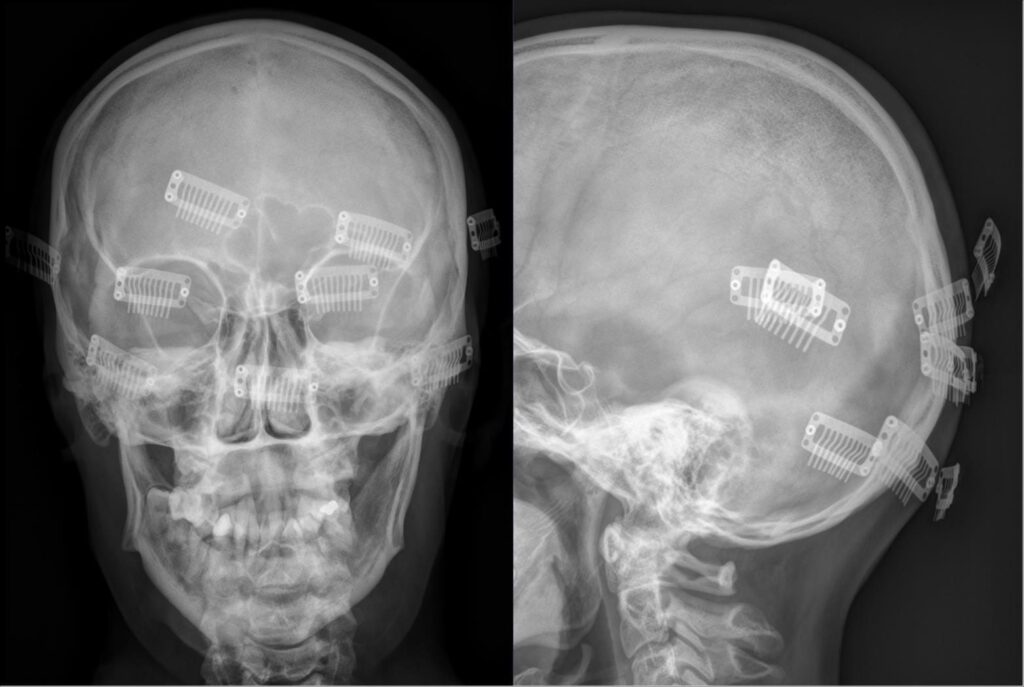

I-tip hair extensions are small strands of hair with a straight, I-shaped tip that is attached to your own hair using a tiny metal ring or bead, clamped shut with pliers. They use no glue and no heat, can be repositioned as your hair grows, and suit many hair types, but they need regular tightening appointments and careful placement so the beads do not pull or rub at the roots.
How the I-tip method works
The stylist takes a small section of your natural hair and threads it through a micro bead using a loop tool. The I-tip of the extension strand is then inserted into the same bead, and the bead is flattened with pliers so it grips both your hair and the extension. Beads are often lined with silicone to cushion the hair and reduce slipping, and come in colours to blend with your shade.
Because each strand is attached individually, I-tips move naturally and allow flexible styling. They can also be removed and reapplied by opening the beads, which makes it possible to reuse good-quality hair several times.
I-tips compared with other strand methods
| Attachment | Small clamped ring | Heat-set keratin bond | Adhesive weft |
|---|---|---|---|
| Heat or glue | Neither | Heat and keratin | Adhesive |
| Feel at the root | Small bead can be felt | Very small, flat bond | Flat weft |
| Adjusting | Beads opened and moved up | Usually removed and refitted | Re-taped and moved up |
| Typical maintenance | Every 6 to 10 weeks | Wear for a few months | Every 6 to 8 weeks |
| Main risk | Slipping or pulling if poorly sized | Damage from bond or removal | Traction if overdue |
These maintenance intervals are general guides; your stylist will judge timing based on your growth rate and how the beads sit.
Who I-tips may suit
I-tips are often chosen by people who want strand-by-strand extensions without heat or adhesive, have medium to thick hair that can grip a bead securely, and do not mind feeling small beads close to the scalp.
Consider another option or get advice first if you
- have very fine, fragile or breaking hair, which may slip through beads or be damaged by them
- have a sensitive scalp or a history of reacting to metals
- already have thinning, receding temples or patchy hair loss
- cannot attend regular maintenance appointments
- are going through shedding after illness, childbirth or stress
If you are unsure why your hair has become thin, see a dermatologist first. Extensions can hide a problem that would be better treated early.
The first few days
It is normal for the beads to feel noticeable at first, especially when lying down. Many people adjust within a few days. Tenderness that does not settle, beads that pinch, or soreness at specific points usually means a section is too small, too tight or placed too close to the scalp. Go back to your stylist rather than living with it.
Aftercare, including UAE heat and water
Keep beads secure and hair healthy
- Brush two or three times a day with a soft or loop brush, holding the hair near the roots.
- Keep conditioner and oils away from the beads; they make hair slippery and beads can slide.
- Dry roots fully after washing, particularly before sleep.
- Sleep with hair in a loose plait or low ponytail, ideally on a silk or satin pillowcase.
- Rinse after swimming in pools or the sea and condition the lengths.
- Avoid very hot tools on the beads themselves; metal heats quickly.
Summer sweat and humidity near the coast can loosen grip and cause tangling around the beads, so many wearers find they need to brush more often from May to October. Gym-goers should tie hair loosely during workouts and dry the roots soon afterwards.
Maintenance appointments
At a maintenance visit, the stylist opens each bead, slides the strand up closer to the scalp, removes shed hair that has collected, and re-clamps. Strands that are tangled or worn may be replaced. It is also a chance to check your natural hair and scalp. Skipping these visits lets beads hang lower, which increases weight and leverage on the roots and makes matting more likely.
I-tips need no glue, but they still need care. Most problems start when beads are too tight, too heavy or left too long.

Removal and signs of damage
Removal is simple for a trained stylist: each bead is opened with pliers and the strand slides out. Do not try to crush or cut beads yourself, as you can easily break your own hair. Some shed hair will come out at removal; that is normal because hair you would usually lose was held in the bead.
Warning signs of damage include soreness or itching at bead points, small bumps or redness, breakage at the bead line, visible gaps or thinning patches, and a receding hairline. These can be early signs of traction alopecia, which can become permanent with ongoing tension. Remove the extensions and see a dermatologist if you notice them.
Planning how many strands you need
The number of strands depends on what you want to achieve. Adding a little volume at the sides and crown needs far fewer strands than adding significant length, because longer hair needs enough extensions to blend the ends of your natural hair. Stylists also look at how fine or thick your hair is, how much weight each section can safely carry, and where you usually part and tie your hair.
A conservative first installation is often wise. It lets you get used to the feel of beads, see how your hair copes, and add more at a later visit if you want. Overloading fine hair with heavy strands is one of the most common reasons for traction and breakage, and it is hard to undo once the damage has happened.
Bring photos of the length and volume you like, and be honest about how much time you will spend on daily brushing and styling. That helps the stylist recommend a realistic plan.
Choosing a stylist
Ask how many I-tip installations the stylist does each month, what bead size and type they use for your hair, where the hair comes from, and how they decide how many strands you need. A careful stylist will check your density, scalp and lifestyle, match colour in daylight, and explain maintenance costs. Prices vary between salons and emirates, so get a written quote that includes maintenance and removal.
Frequently asked questions
Do I-tip extensions damage your hair?
They can if beads are too tight, sections too small or strands too heavy, or if maintenance is skipped. Fitted and maintained properly, many people wear them without lasting damage.
Can I wear I-tips with a hijab?
Yes, but tell your stylist so beads are placed and sized to avoid pressure points under the scarf, and avoid tight under-caps.
How long does the hair last?
Good-quality human hair can often be reused for several months with care. Lower-quality hair tangles sooner.
Can I colour my hair with I-tips in?
Ask your stylist. Extension hair takes colour differently, and chemicals near the beads should be applied carefully.
Sources: American Academy of Dermatology, British Association of Dermatologists, NHS
Cover photo: Hellerhoff, CC BY-SA 4.0. Last reviewed: 2026-11-25. General information only, not medical advice. Please consult a licensed practitioner in the UAE about your own situation.