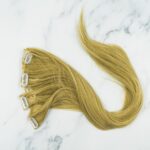

Men use hair extensions for three main reasons: to grow out length faster, to add volume to fine hair, or to cover thinning on top. Strand extensions and small wefts work for the first two. For thinning or balding, most men are better served by a hair system or topper, or by medical treatment, because extensions need enough healthy hair to anchor to.
Three goals, three different solutions
It is worth being clear about what you want before booking, because the answer changes completely.
| Goal | Usual options | What you need for it to work |
|---|---|---|
| Longer hair quickly | Keratin bonds, micro rings, small tape-ins | At least a few centimetres of your own hair to blend with |
| Thicker, fuller look | Tape-ins or small wefts, volumising cut | Reasonable density across the scalp |
| Cover thinning or a bald area | Hair system (non-surgical hair replacement) or topper | Medical check first; some systems need the area shaved |
| Permanent restoration | Medication or hair transplant via a licensed clinic | Assessment by a doctor |
If your concern is a receding hairline or a thinning crown, read our hair loss stages guide first to understand where you are. A doctor can tell you whether treatment could slow the loss, which matters before you invest in something cosmetic.
Strand extensions for length and volume
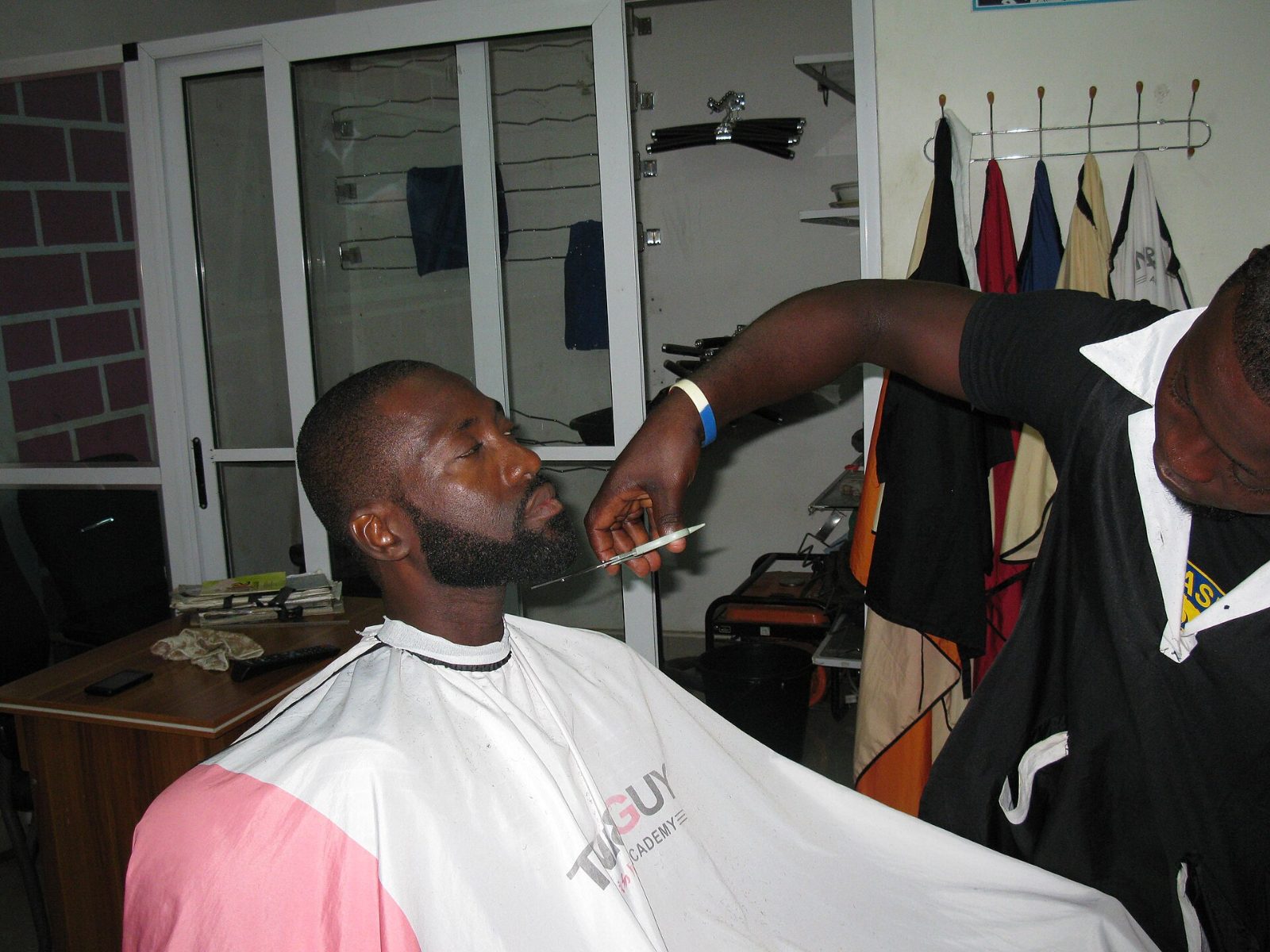
Men who want to grow long hair, or skip the awkward in-between stage, sometimes use strand-by-strand extensions. Small keratin bonds or micro rings are attached to individual sections and blend well when your own hair is long enough to cover the attachments. Very short cuts make them hard to hide, so most stylists want several centimetres of length at the top and sides.
For volume, small tape-ins can thicken fine hair without obvious bulk. The same rules as for women apply: the hair must be matched carefully in colour and texture, attachments need moving up as hair grows, and removal should be done by a professional.
What to tell the stylist
- How short you usually wear the sides and back
- Whether you wear caps, helmets or a ghutra often
- How often you exercise, swim or sweat heavily
- Any history of thinning in your family
Hair systems and toppers for thinning
A hair system is a thin base, often lace or skin-like polymer, with hair ventilated into it. It is attached with tape or adhesive over the area of thinning, sometimes after the area is shaved or trimmed short. A topper is a smaller piece that clips or bonds into existing hair to cover a specific area such as the crown.
These look very different from extensions. They do not hang from your own hair, so they can work even when the scalp is thin. Their downsides are regular maintenance, adhesive care, and the fact that the base needs cleaning and replacing over time. Many men also find adhesives uncomfortable in very hot weather, since sweat can loosen the bond.
What the UAE climate changes
Heat, humidity and strong sun affect every option:
- Sweat loosens tape and adhesives faster, so systems may need more frequent re-taping in summer
- Caps and ghutras rub on attachments and the hairline, which can cause tangling and friction
- Sun and chlorine dry out extension and system hair, which has no oil from the scalp
- Long hours in air-conditioning can make the scalp feel dry or itchy
Keep a gentle sulphate-free shampoo for extension or system hair, rinse after the gym or pool, and dry the attachment areas fully. If you use an adhesive system, ask the provider about adhesives designed for hot climates.
Check your expectations with a photo
Bring a photo of the look you want and a recent photo of your hair from above in daylight. It makes the conversation about what is realistic much faster.
Risks and when to see a doctor
Extensions put tension on follicles. Too much weight, attachments placed too close to the scalp, or skipping maintenance can lead to traction alopecia, a form of hair loss caused by pulling. Adhesives used for systems can cause irritation or allergic contact dermatitis.
Stop and get medical advice if you notice:
- Pain or tenderness at attachment points that does not settle
- Redness, swelling, pus, crusting or a rash
- Sudden shedding, patchy bald spots, or loss of eyebrow or beard hair
- Scalp itching or flaking that does not improve with gentle care
Patchy loss can have medical causes such as alopecia areata, scalp infection or other conditions that need diagnosis. A dermatologist licensed by the DHA in Dubai, the DOH in Abu Dhabi or MOHAP can examine your scalp.
Extensions add hair you already have room for. If the scalp is thinning, find out why before you cover it.
Treatment first, cosmetics second
For male pattern hair loss, licensed treatments prescribed or recommended by a doctor may slow loss or regrow some hair, and a hair transplant is an option for some men with stable loss and a good donor area. Covering thinning with a cosmetic option is perfectly reasonable, but it does not stop the underlying process. Many men combine both: treatment to keep what they have and a cosmetic option for confidence in the meantime. If you are curious about the surgical route, our graft count estimator gives a rough sense of scale to discuss with a surgeon.
Costs
Costs in the UAE vary widely by salon or clinic, the method, the amount of hair and how often maintenance is needed. Hair systems in particular involve ongoing costs for re-taping and replacement bases. Ask for a clear twelve-month estimate covering fitting, maintenance and replacement before deciding.
FAQ
Can men with short hair get extensions?
It is difficult. Most methods need enough length to hide the attachments, so very short cuts usually do not work well with strand extensions.
Are hair systems the same as wigs?
They are related, but a hair system is usually a smaller, thinner piece attached semi-permanently to cover a specific area, designed to be worn continuously.
Will extensions make my thinning worse?
They can if they add tension to already weak follicles. Get your scalp assessed before using extensions to cover thinning.
Can I go to the gym and swim with extensions or a system?
Generally yes with care. Rinse sweat, chlorine and salt promptly, and expect adhesives to need more frequent maintenance in summer.
Sources: American Academy of Dermatology, NHS, International Society of Hair Restoration Surgery
Cover photo: Jamie Tubers, CC BY-SA 4.0. Last reviewed: 2026-11-26. General information only, not medical advice. Please consult a licensed practitioner in the UAE about your own situation.