

Clip-in hair extensions are wefts of hair with small pressure clips sewn on, which you attach to your own hair at home and remove the same day. They add length and volume without salon fitting, glue, heat or rings, and they put no long-term tension on the scalp when worn sensibly. They are a good choice for occasional use, events and trying a new look, but they should be removed before sleeping and not worn every day for very long hours if your hair is fine or thinning.
How clip-ins work
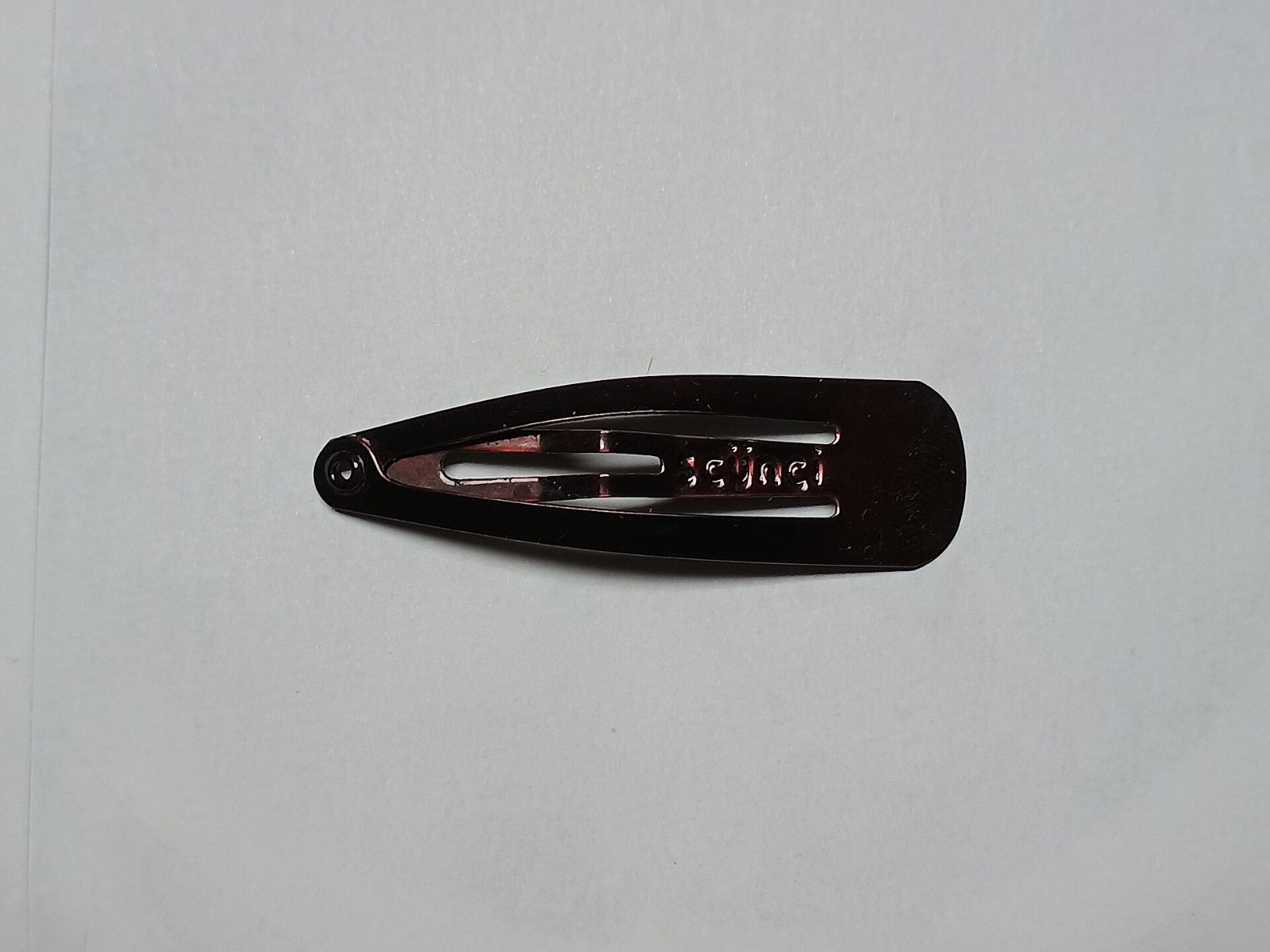
A full set usually includes several wefts of different widths: a wide piece for the back, medium pieces for the sides and small pieces to fill gaps. Each weft has silicone-lined clips that snap open and closed. You section your hair horizontally, clip the weft close to the root, then let your hair fall over it to hide the attachment.
Choosing the right set
| Factor | What to consider |
|---|---|
| Hair type | Human hair can be heat styled and blends naturally; synthetic is cheaper but limited with heat. See human hair extensions and synthetic hair extensions. |
| Weight (grams) | Lighter sets for fine or short hair; heavier sets for thick hair and long lengths |
| Length | Should not be much more than double your own hair length, or blending becomes hard |
| Colour | Match to the ends of your hair, where colour is often lighter; consider two shades blended |
| Texture | Straight, wavy or curly to match your natural hair |
| Clip size and number | More, smaller clips spread weight better than a few large ones |
Colour matching
Check colour in daylight near a window. If you are between two shades, choose the one closer to your ends, or combine wefts in two shades for a natural blend. Human hair clip-ins can be coloured darker by a professional; going lighter damages them.
Step by step: putting them in
- Start with clean, dry, brushed hair. Very silky, freshly washed hair may let clips slip; a little texture spray helps.
- Section at the nape with a comb, clipping the rest of your hair up out of the way.
- Lightly tease or backcomb the roots along the section if your hair is fine, to give clips something to grip. Use a light touch.
- Attach the widest weft, clips facing the scalp, close to but not tight against the root. Snap each clip shut.
- Let down the next layer, section again a few centimetres higher, and repeat.
- Add side pieces above the ears, keeping them below where your parting falls.
- Blend by brushing gently and styling both your hair and the extensions together, for example with loose waves.
Practice makes it quicker. Most people manage a full set in around ten to fifteen minutes after a few tries.
Clip-ins should feel secure, not tight; if your scalp aches, a clip is too close or too heavy.
Protecting your own hair
Avoid damage by following these rules
- Remove clip-ins before sleeping, swimming or intense exercise.
- Do not clip into the same spots every day; vary placement slightly.
- Give your hair clip-free days, especially if it is fine.
- Stop if you feel soreness, see redness or notice breakage near clips.
- Do not use clip-ins on areas of thinning or active hair loss without advice.
Repeated tension in the same places can lead to traction alopecia. Caught early, it usually recovers; long-term traction can cause permanent loss. If you notice thinning at the hairline or temples, see a dermatologist, and use our hair loss stages guide to describe what you see.
Care and storage in the UAE
- Wash occasionally, not after every wear: usually after every 10 to 15 wears or when they feel heavy with product. Use a gentle shampoo and condition the lengths.
- Air dry flat on a towel, then brush once dry.
- Use heat protection on human hair sets, and moderate temperatures.
- Store in a box or hanger, away from humidity and direct sun, to keep them tangle-free and slow colour fading.
- Avoid leaving them in a hot car, where temperatures can damage synthetic fibres.
Sweat and humidity can make the hair at the clips feel damp. On very hot days, wear a lighter set or a single volumising piece.
Styles that work well with clip-ins
Some styles hide clips more easily than others. Loose waves and curls are the most forgiving, because movement blends the extension hair with your own and disguises any difference in texture. Half-up styles work if the top section covers the highest row of clips. Sleek, straight styles show more, so blend carefully and keep wefts a little lower on the head.
High ponytails are harder: the clips at the nape can show when hair is pulled up. Some sets include a separate ponytail piece that wraps around your own ponytail, which is easier than trying to lift a full set. Before an event, do a full practice run with the style you plan to wear, checking in a hand mirror from behind and from the sides. If you are wearing a headscarf or shayla over part of the hair, lighter sets placed lower on the head are usually more comfortable for long periods.
When clip-ins are not the best choice
Clip-ins are less suitable if you need extensions every day for long hours, have very short hair that cannot hide clips, or have very fine hair that cannot support the weight. In those cases, ask a stylist about lighter options, or consider other methods such as weft hair extensions after checking your scalp health. If you have thinning, discuss medical options before relying on extensions.
Frequently asked questions
Can I sleep in clip-in hair extensions?
No. Remove them before sleeping to avoid tangling, matting and stress on your hair roots.
How long do clip-in extensions last?
With careful use and storage, good human hair clip-ins can last a long time, often much longer than semi-permanent methods, because they are not worn constantly.
Do clip-ins damage hair?
Occasional, correctly placed wear is unlikely to cause damage. Daily wear in the same spots, heavy sets on fine hair, or sleeping in them can cause breakage and traction.
Can I swim with clip-in extensions?
It is better not to. Chlorine and salt water dry the hair, and clips can loosen in the water.
Sources: American Academy of Dermatology, British Association of Dermatologists, NHS
Cover photo: Peter van der Sluijs, CC BY-SA 3.0. Last reviewed: 2026-11-25. General information only, not medical advice. Please consult a licensed practitioner in the UAE about your own situation.