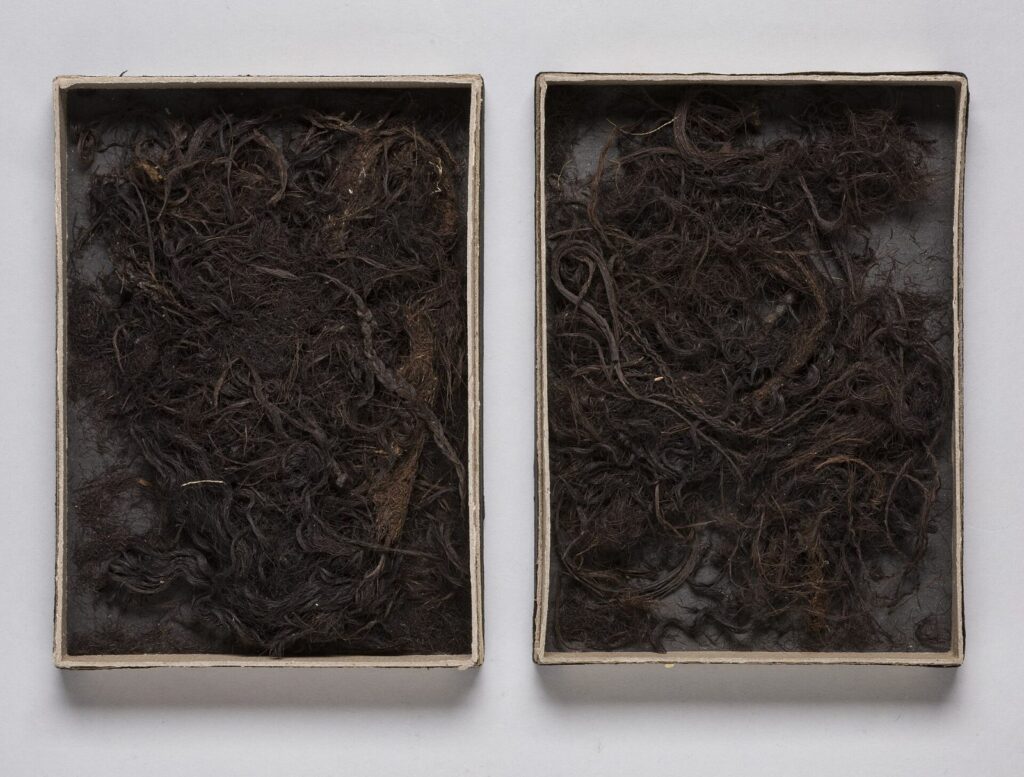

Hair extensions are strands of real or synthetic hair attached to your own hair to add length, volume or colour. The main choice is between temporary clip-ins you remove daily and semi-permanent methods such as tape-ins, keratin bonds, micro-rings and sewn-in wefts, which stay in for weeks or months and need professional fitting and maintenance.
The main attachment methods
Every extension system is a trade-off between how natural it looks, how long it stays in and how much tension it places on your own hair. None of them is “damage-free” if fitted badly or left in too long.
Clip-in extensions
Wefts of hair with small pressure clips sewn on. You place them yourself in a few minutes and take them out before sleeping. They are the lowest-commitment option and the easiest on the scalp, provided you do not sleep in them or wear them every single day without a break.
Tape-in extensions
Thin, flat panels of hair with medical-grade adhesive tape that sandwich small sections of your own hair. They lie flat and are popular for fine hair. As your hair grows they move away from the scalp, so most stylists move them up every six to eight weeks.
Keratin bond (fusion) extensions
Small strands with a keratin-based tip that a stylist melts or seals onto individual sections of your hair. They move naturally and can last a few months, but fitting takes hours and removal must be done with a proper solvent by a professional.
Micro-ring and nano-ring extensions
Strands are threaded through tiny metal rings that are clamped onto your hair, with no heat or glue. They can be loosened and moved up as hair grows. Rings that are too tight or too heavy for the hair section are a common cause of breakage.
Sewn-in wefts
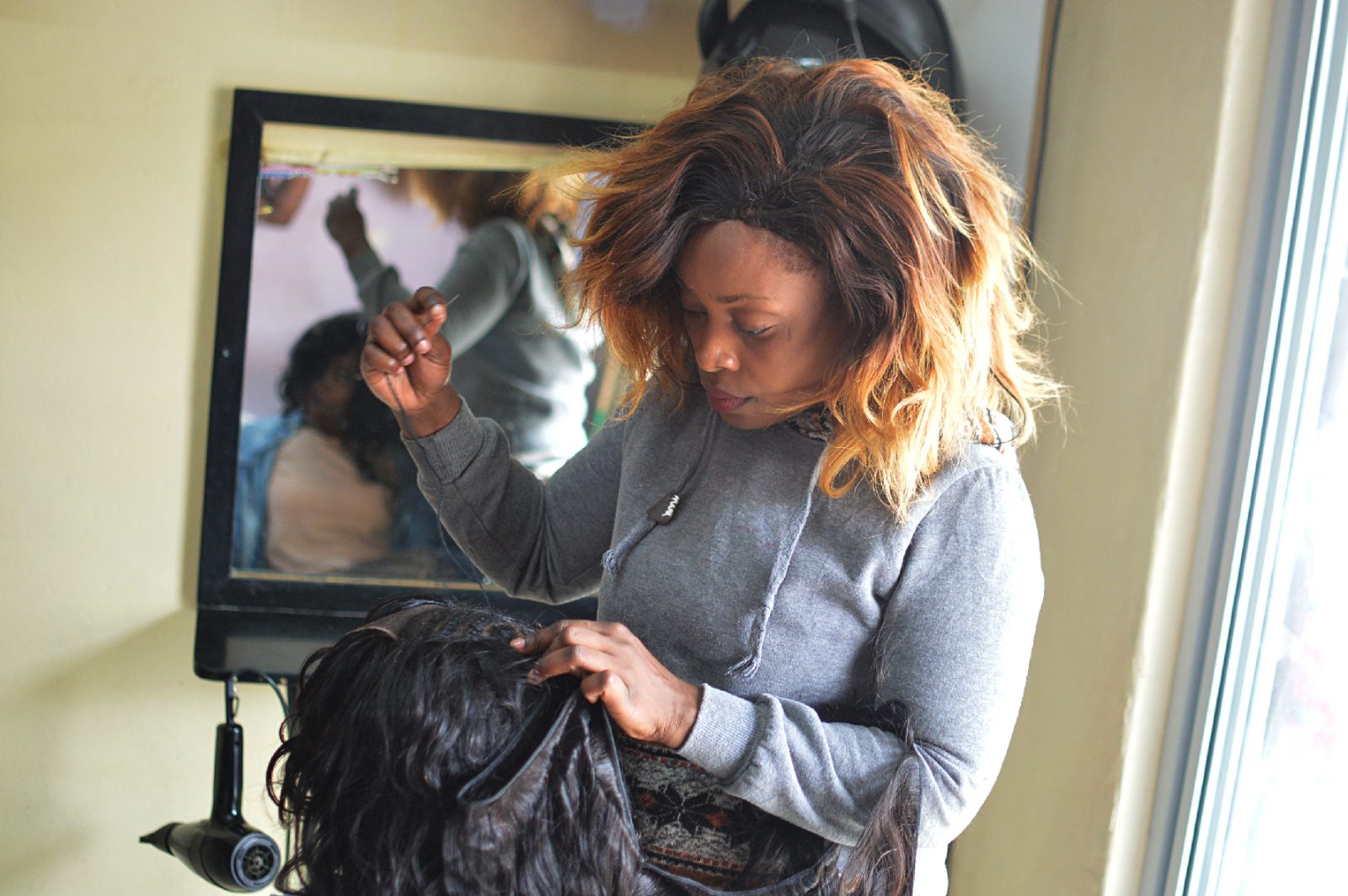
A row of hair is sewn onto a thin braid or a beaded track. This method suits thick or textured hair and is common for curly and coily hair types, but tension is the main concern.
Comparing the options
| Method | Typical wear time | Fitting | Heat or glue | Best for |
|---|---|---|---|---|
| Clip-in | Daily, removed at night | Self-applied | No | Occasions, first-time users |
| Tape-in | About 6 to 8 weeks before refitting | Salon | Adhesive tape | Fine to medium hair |
| Keratin bond | Often 2 to 4 months | Salon, several hours | Heat or sealing | Natural movement |
| Micro or nano ring | Often 2 to 4 months with move-ups | Salon | No | Those avoiding glue |
| Sewn-in weft | Several weeks | Salon | No | Thick or textured hair |
Wear times are typical ranges that stylists use, not guarantees. Your own growth rate, hair density and care routine change them.
Human hair or synthetic?
Human hair extensions can be heat-styled, coloured (carefully) and look the most natural. You will see labels such as Remy, which means the cuticles all face the same direction to reduce tangling, and virgin, which means the hair has not been chemically processed. These labels are not regulated in a consistent way, so buy from suppliers who can explain where the hair comes from.
Synthetic extensions are cheaper and hold a pre-set style, but most cannot take heat from straighteners or curling tongs and they tend to tangle and look dull sooner. Heat-resistant synthetic fibres exist, but check the maximum temperature on the pack.
A quick way to tell the difference
Human hair usually burns with a smell like singed hair and turns to ash, while synthetic fibre melts into a hard bead. Only test a single loose strand, outdoors and safely, if a supplier will not tell you.
Hair extensions in the UAE climate
Life in the Gulf adds a few challenges that are worth planning for:
- Heat and humidity soften adhesives and make tape and bond extensions slip sooner, especially in July and August.
- Swimming pools and the sea dry out human hair. Chlorine and salt both need to be rinsed out quickly, and long hair should be braided before swimming.
- Sweat at the scalp under bonds or tapes needs regular, careful washing so residue does not build up.
- Air conditioning dries hair and scalp, so a lightweight conditioner on the lengths, not the attachment points, matters more than people expect.
The most common cause of extension damage is not the method itself but leaving extensions in long past the point where they should have been moved up or removed.
Who should be careful
Extensions add weight and pull to the hair follicle. Dermatologists describe a condition called traction alopecia, hair loss caused by repeated pulling, which can become permanent if the tension continues for a long time.
Think twice or ask a doctor first if
- You already have thinning, a widening parting or patchy hair loss
- Your scalp is sore, itchy, red or flaky
- You have a known allergy to adhesives or to keratin products
- You have recently had chemotherapy, a hair transplant or a scalp procedure
- You are noticing more shedding than usual, which can have medical causes that extensions would hide
See a dermatologist if you notice bumps around the follicles, tenderness at the attachment points, broken hairs at the hairline, or patches where hair is not growing back. Our hair loss stages guide can help you describe what you are seeing.

Choosing a stylist and budgeting
Prices for extensions in Dubai, Abu Dhabi and Sharjah vary widely depending on the method, the quantity and quality of hair, and the salon. Always ask for a full quote that includes the hair itself, fitting time, maintenance appointments and removal, since the ongoing costs are where budgets often go wrong.
A good extension specialist will usually:
- Do a consultation and a strand or patch test where adhesives are involved
- Look at your hair density and advise against a method that would be too heavy
- Explain the maintenance schedule before you commit
- Show you how to brush, wash and sleep with them
- Refuse to fit extensions onto hair that is already breaking or thinning
Day-to-day care
Use a soft-bristle or loop brush, holding the hair near the attachment while you brush. Wash with sulphate-free products, keep conditioner off bonds and tapes, and dry the roots fully rather than going to bed with damp attachment points. Sleep with hair in a loose braid or a silk scarf.
Frequently asked questions
Do hair extensions damage your natural hair?
They can if they are too heavy, fitted too tightly or left in too long. Correct fitting, regular maintenance and breaks between sets reduce the risk of breakage and traction alopecia.
How long do semi-permanent extensions last?
The hair itself may last for more than one fitting if it is good quality, but attachments usually need moving up or refitting every couple of months. Your stylist should give you a schedule.
Can I go swimming with extensions?
Yes, with care. Braid long hair, wear a swim cap if possible and rinse out chlorine or salt water soon after. Avoid leaving bonds or tapes wet for hours.
Are clip-in extensions safer than permanent ones?
They place less constant tension on the follicles because they come out daily, but wearing them every day, tightly clipped, can still cause problems. Give your scalp rest days.
Sources: American Academy of Dermatology: Hair loss, NHS: Hair loss, Dubai Health Authority
Last reviewed: 2026-11-25. General information only, not medical advice. Please consult a licensed practitioner in the UAE about your own situation.