
PRP treatment in Dubai for hair loss involves injecting a concentrate of your own platelets into thinning areas of the scalp, usually as a course of several sessions followed by occasional maintenance. It must be performed in a facility licensed by the Dubai Health Authority, by a licensed doctor or a nurse working under medical supervision, and it works best as part of a plan that starts with a proper diagnosis.
Is PRP right for your type of hair loss?
PRP is most often offered for androgenetic alopecia, the common patterned thinning seen in men and women. It is sometimes used for other conditions, but the evidence is weaker. Before booking, it helps to know what kind of hair loss you have, which is why a good clinic starts with a consultation, scalp examination and sometimes blood tests.
| Situation | How PRP fits |
|---|---|
| Early to moderate pattern thinning | The most common use; results vary between people |
| Advanced baldness with shiny scalp | Little to gain; follicles may no longer be active |
| Sudden shedding after illness, stress or childbirth | Usually settles once the cause passes; investigate first |
| Patchy hair loss (alopecia areata) | Needs dermatology assessment; PRP is not standard first-line |
| Scarring alopecia | Needs specialist diagnosis and treatment |
| After a hair transplant | Sometimes offered as a supportive treatment; ask about evidence |
Our hair loss stages guide shows the typical patterns, and our overview of what PRP is explains how the concentrate is prepared.
What a typical course looks like
Most protocols involve an initial series of sessions spaced several weeks apart, then a review with standardised photographs a few months later. If there is a meaningful response, maintenance sessions are usually suggested at longer intervals. If there is no response, it is reasonable to stop rather than keep paying for more sessions.
On the day
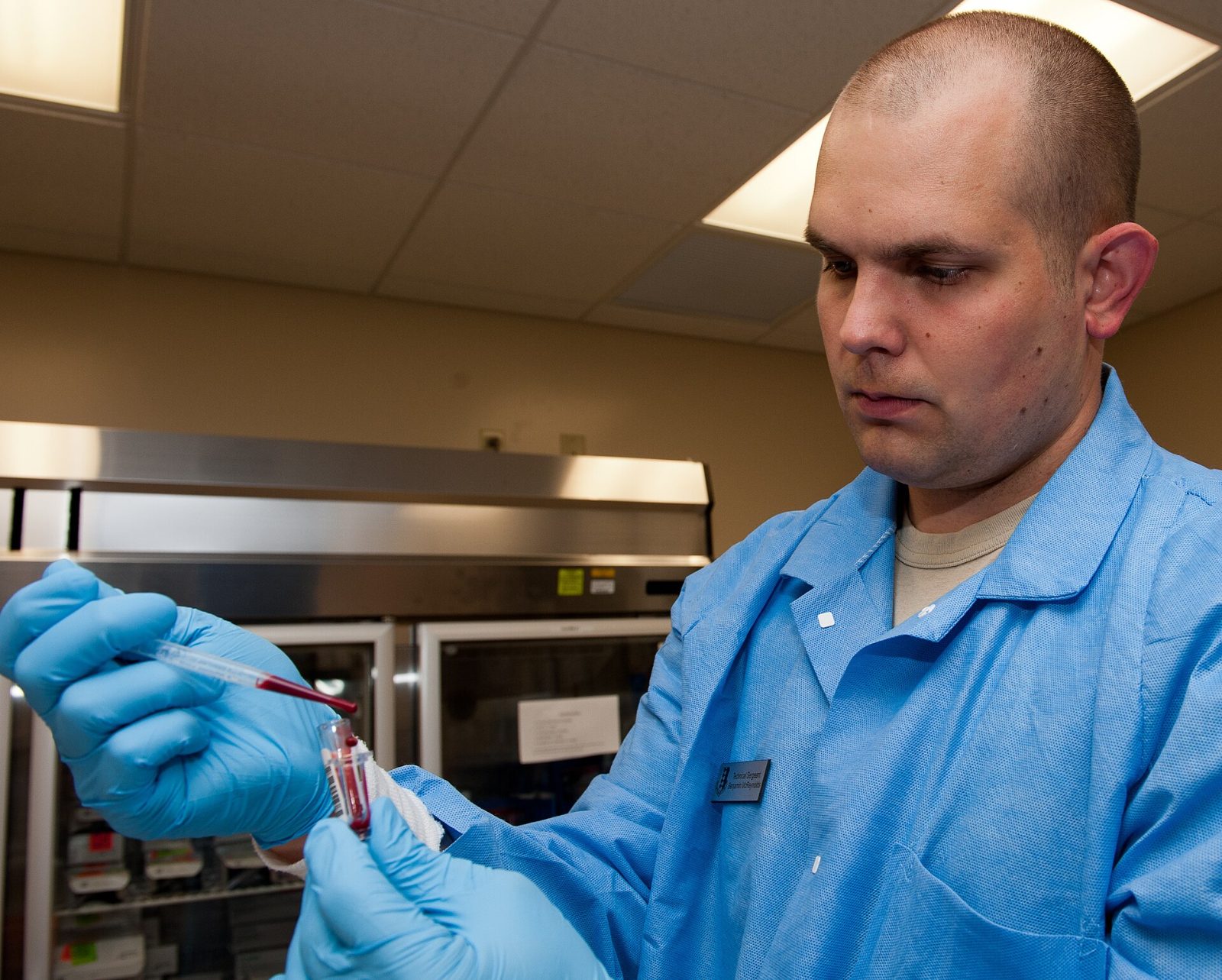
The appointment usually includes a blood draw from your arm, preparation of the PRP in a centrifuge, cleaning of the scalp, numbing with cream or a cooling device, and a series of small injections across the thinning area. Some clinics combine PRP with microneedling. Expect the whole visit to take around an hour.
Before and after your session
- Tell the doctor about all medicines and supplements, especially blood thinners, anti-inflammatories and fish oil
- Never stop a prescribed medicine on your own; ask your prescribing doctor
- Eat and drink normally beforehand unless told otherwise, to reduce the chance of feeling faint
- Ask how long to wait before washing your hair and using styling products
- Many clinics advise avoiding heavy exercise, saunas, steam rooms and swimming for a short period afterwards
Side effects and who should not have PRP
Common effects are tenderness, swelling, mild headache, small bruises and pinpoint bleeding at injection sites. These usually settle within a few days. Infection is uncommon when sterile, single-use kits are used.
PRP is usually not recommended if you have
- A low platelet count or platelet function disorder
- An active infection, including on the scalp
- Active cancer, particularly blood cancers, without your specialist’s agreement
- Pregnancy or breastfeeding
- Uncontrolled chronic illness that your doctor feels makes the procedure unsafe
Contact the clinic or a doctor promptly if you develop fever, spreading redness, pus, or pain that is getting worse after treatment.
The most useful question to ask any Dubai clinic is not “how many sessions?” but “how will we know if this is working for me?”
Choosing a clinic in Dubai
Dubai has many clinics offering hair PRP, from dermatology practices to aesthetic centres. To narrow down your options:
- Check licensing. Confirm the facility and practitioner are licensed by the DHA. PRP is a medical procedure and should not be done in salons or at home.
- Ask who diagnoses. A dermatologist or doctor experienced in hair disorders should assess you before treatment.
- Ask about the kit. Find out which PRP system is used and confirm it is single-use.
- Ask about measurement. Good clinics take standardised photographs and sometimes use dermoscopy to track change.
- Ask about alternatives. Approved medical treatments may be recommended alongside or instead of PRP.
Prices for PRP in Dubai vary widely between clinics, kits and package sizes. Ask for a written quote that shows the price per session, package discounts, and whether consultations and reviews are included. Insurance policies in the UAE generally treat cosmetic hair treatment as non-covered, but check your own policy.
Keeping expectations realistic
PRP does not work for everyone, and even when it helps, the change is usually an improvement in density and hair quality rather than a full return of lost hair. Results also depend on continuing treatment, since PRP does not switch off the genetic and hormonal process behind pattern hair loss. It is worth deciding in advance, with your doctor, what kind of change would make the treatment worthwhile for you and at what point you would stop if that change does not appear.
Living with treatment in the UAE climate
Sweat, sun and frequent swimming are part of daily life here. After each session, protect the scalp from strong sun for a day or two, keep workouts light until your doctor says otherwise and avoid pools until the injection points have healed. A hat that does not press tightly on the scalp is useful in summer.
Frequently asked questions
How many PRP sessions are needed for hair?
Most clinics recommend an initial course of several sessions and then maintenance. The right number depends on the protocol, your hair loss and how you respond, so ask your doctor to explain their plan.
When will I see results from PRP?
Changes, if they occur, usually take a few months to become visible because hair grows slowly. Comparing standardised photographs is more reliable than looking in the mirror.
Is PRP better than medication for hair loss?
They work differently. Some approved medicines have stronger evidence for pattern hair loss, while PRP is often used alongside them. A dermatologist can explain what suits your situation.
Can I go to work after PRP?
Most people return to normal activities the same or next day. Some redness and small marks may be visible for a short time.
Sources: Dubai Health Authority, American Academy of Dermatology: Hair loss, International Society of Hair Restoration Surgery
Last reviewed: 2026-11-25. General information only, not medical advice. Please consult a licensed practitioner in the UAE about your own situation.