
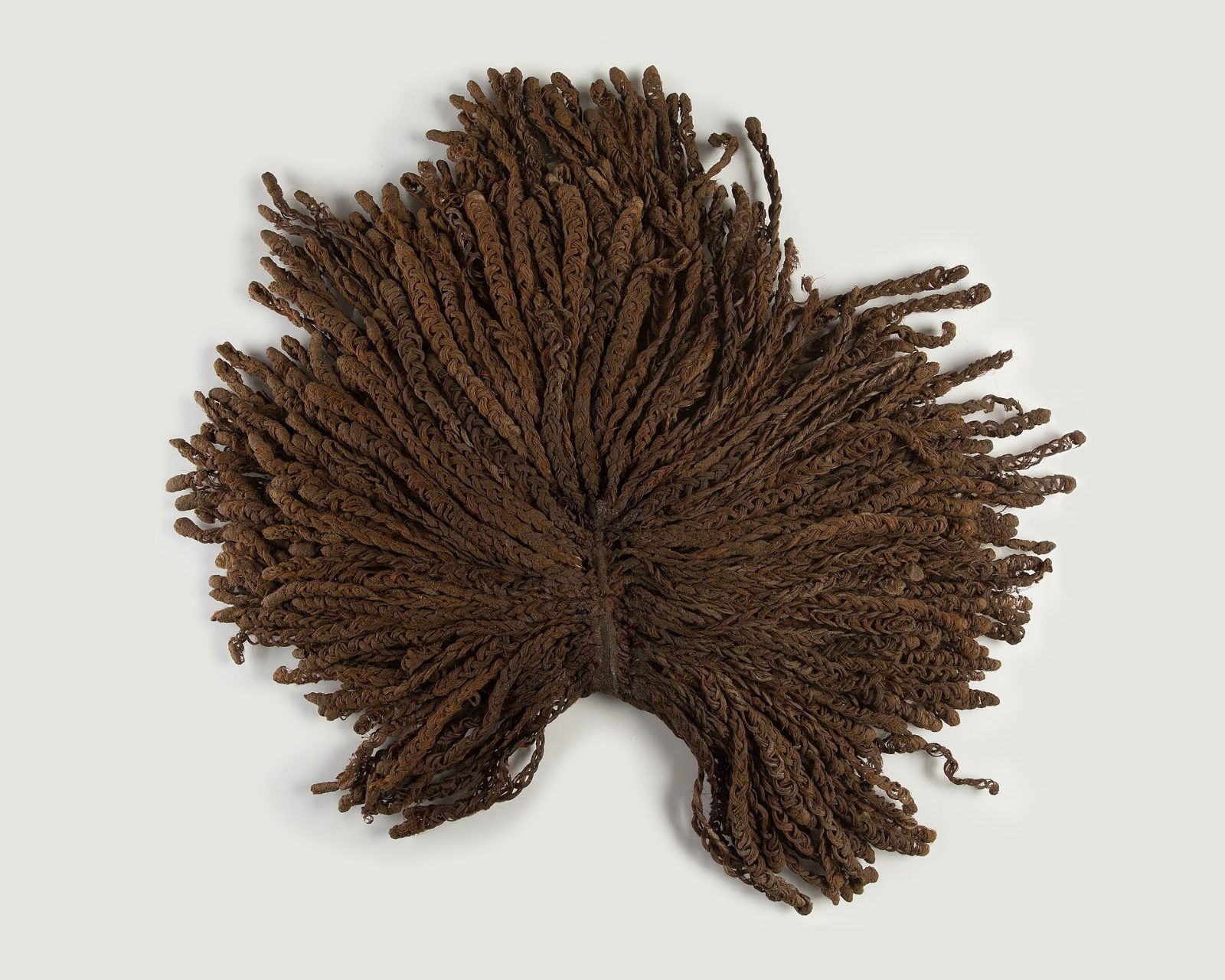
A butterfly weft is a newer style of sewn-in weft in which the top of the weft is designed so that hair can fall from it in two directions, rather than all hanging down from one seam. The idea is a flatter, softer row that is less likely to show gaps when hair moves or is tied up. It is fitted on a beaded row like other wefts, and the same rules on weight and maintenance apply.
What makes a butterfly weft different
Traditional wefts, whether machine-sewn or hand-tied, have all their hair attached along one top edge, and that hair falls downward. When your natural hair is parted, lifted by wind or tied up, the row can sometimes show as a line. Butterfly wefts are made so that some of the hair at the top can be flipped up over the attachment row, while the rest falls down. The hair laid over the row helps cover it.
Manufacturers and salons describe the design in slightly different ways, and the term is partly a brand and marketing name. If you are considering it, ask the stylist to show you the weft itself and explain how they fit it.
Butterfly weft compared with other weft types
| Feature | Butterfly weft | Hand-tied weft | Machine weft |
|---|---|---|---|
| How hair falls from the top | Some up over the row, most down | All down | All down |
| Visibility of the row | Designed to be less visible | Very thin top, generally discreet | Thicker seam, can show more |
| Cutting to width | Depends on the product; ask | Usually should not be cut | Generally can be cut |
| Volume per row | Moderate to high | Moderate | High |
| Typical fitting | Sewn onto a beaded or braided row | Sewn onto a beaded row | Sewn or beaded |
None of these is objectively the best. The right weft depends on your natural density, how you wear your hair and the stylist’s experience with that product.
Who tends to like them
Butterfly wefts are often chosen by people who wear their hair up frequently, who have a part that moves around, or who found previous rows too noticeable. Because some hair lies over the attachment, they can also suit people with finer hair at the top who worry about rows showing. They still need enough natural hair to hold the beads securely.
Good candidates usually have
- Healthy hair without active shedding or thinning patches
- At least shoulder-length hair, or close to it
- Willingness to come in for move-ups every six to eight weeks or so
- A stylist trained in the specific weft and fitting method
Fitting and maintenance
The stylist creates a row of small beads, or sometimes a small braid, along a horizontal section of your hair. The butterfly weft is then sewn to the row. One to three rows are common, depending on the volume you want. Over time the beads drift down as your hair grows, so the rows need moving up at regular appointments. The weft hair can usually be reused if it has been looked after.
At home:
- Brush gently twice a day, supporting the hair below the rows
- Wash two or three times a week, cleansing between rows with your fingertips
- Keep conditioner and oils on the mid-lengths and ends only
- Dry the rows fully after washing or sweating
- Sleep with hair in a loose plait on a silk or satin pillowcase

Hot-climate considerations in the UAE
The extra hair laid over the row is part of what makes butterfly wefts discreet, but it also traps a little more heat and moisture over the attachment. In summer, take extra care to dry the row area fully, especially after workouts or time outdoors. Rinse out chlorine and salt water promptly after swimming. If your scalp starts itching under the rows, wash a little more often rather than less, and check with your stylist that the rows are not too tight.
Tell your stylist about head coverings
If you regularly wear a shayla, hijab, cap or helmet, mention it. Row placement and the amount of hair used can be adjusted so the rows sit comfortably under a covering and do not rub.
Risks and warning signs
Any sewn weft adds weight along a line of small sections. Too much weight, rows that are too tight, or move-ups that are long overdue can lead to traction alopecia. Watch for soreness, a pulling feeling, small bumps along the rows, broken hairs at the beads, and thinning along the row line or the hairline. Contact your stylist for an adjustment if you notice any of these.
See a doctor if you develop pus, spreading redness, swelling, a rash, persistent itch or patches of hair loss. A dermatologist licensed by the DHA, DOH or MOHAP can examine your scalp. If you are unsure about a pattern of thinning you have noticed, our hair loss stages guide describes the common patterns.
A newer weft design can make rows harder to see, but it does not change the basics: right weight, right fit, on-time move-ups.
Questions to ask before you book
- Which brand or type of butterfly weft do you use, and can I see it?
- How many rows do you recommend for my hair density?
- How often will I need move-ups, and is the hair reusable?
- Can the weft be cut, or does it have to be used at full width?
- How should I wear my hair up so the rows stay hidden?
Costs
As with other weft methods, prices in the UAE vary with the salon, the number of rows, the length and grade of hair and the stylist’s training. Butterfly wefts are sometimes priced differently from standard wefts. Compare a written estimate for the hair, the fitting, each move-up and removal over a full year rather than the first appointment alone.
FAQ
Are butterfly wefts better than hand-tied wefts?
They are a different design rather than strictly better. Some people find them less visible; others prefer the thin top of hand-tied wefts. Your hair and lifestyle decide.
Can butterfly wefts be worn in a high ponytail?
They are often chosen for updos, but how well rows hide depends on placement and your density. Discuss your usual styles at the consultation.
How long does the hair last?
The rows need moving up every six to eight weeks or so. With good care, quality hair can often be reused for several months.
Do they hurt?
Rows can feel tight for a few days after fitting. Ongoing pain is not normal and should be checked.
Sources: American Academy of Dermatology, NHS
Last reviewed: 2026-11-26. General information only, not medical advice. Please consult a licensed practitioner in the UAE about your own situation.