

A biotin shampoo can leave hair feeling thicker and cleaner, but there is little good evidence that biotin applied in a shampoo treats hair loss. Biotin matters for hair mainly when someone is genuinely deficient, which is uncommon, and a rinse-off product is a poor way to correct a deficiency anyway. If you are losing hair, the cause matters far more than the shampoo.
Why biotin became a hair-loss ingredient
Biotin, also called vitamin B7, is a B vitamin involved in how the body processes fats, carbohydrates and proteins. People with true biotin deficiency can develop hair thinning, a scaly rash and brittle nails. Because of that link, biotin has become a popular ingredient in hair supplements and shampoos.
The problem is the jump from “deficiency causes hair loss” to “extra biotin prevents hair loss”. Most people eat enough biotin from everyday foods such as eggs, nuts, seeds, fish and some vegetables, and deficiency is rare outside specific situations. Our separate article on biotin for hair loss looks at supplements in more depth. This page is about biotin in shampoo specifically.
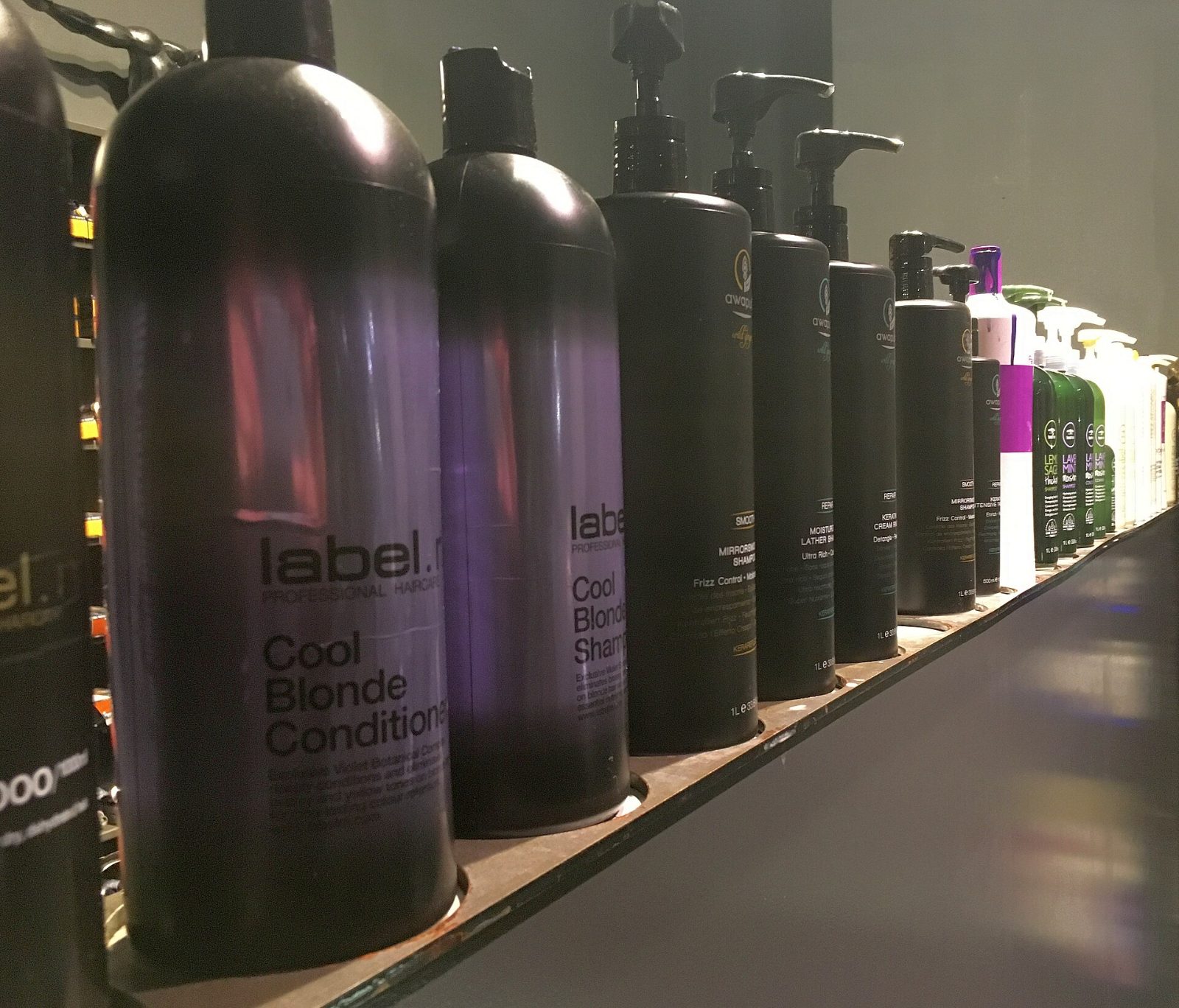
What a biotin shampoo can and cannot do
| Claim | What is realistic |
|---|---|
| Makes hair look fuller | Possible, often due to volumising ingredients and cleaner roots, not biotin itself |
| Strengthens hair | Conditioning agents can reduce breakage temporarily on the hair shaft |
| Stops hair loss | No good evidence that topical biotin stops pattern or other hair loss |
| Regrows hair | No good evidence |
| Corrects a biotin deficiency | Unlikely; a deficiency needs medical assessment, and a rinse-off product has brief contact with the skin |
Many biotin shampoos also contain other ingredients, such as caffeine, niacinamide, keratin, panthenol, plant extracts or volumising polymers. Some of these make hair feel thicker. A few have small studies behind them for other uses, but the overall evidence for shampoo-based hair-loss treatment is limited. Treat bold claims on the bottle with caution.
Where shampoo genuinely helps
A good shampoo keeps the scalp clean, controls oil and dandruff, and reduces build-up, all of which make hair look and feel better. Medicated shampoos for dandruff or seborrhoeic dermatitis can relieve a flaky, itchy scalp. That is useful, but it is not the same as treating hair loss.
Choosing a shampoo if you are worried about thinning
Rather than chasing one ingredient, choose for your scalp:
- Oily scalp: a clarifying or balancing shampoo, washing often enough to keep oil and sweat from building up
- Dry or sensitive scalp: a gentle, fragrance-light formula, possibly sulphate-free
- Dandruff or flaking: a medicated anti-dandruff shampoo, used as directed
- Fine hair: lightweight volumising products, conditioner on the ends only
In the UAE, heat and sweat often mean more frequent washing in summer, and hard water in some areas can leave hair feeling stiff. A gentle shampoo, thorough rinsing and a shower filter if your water is very hard can help hair feel better, whatever the active ingredient.

What actually drives most hair loss
Most hair loss has an underlying cause that a shampoo cannot address:
- Pattern hair loss in men and women, linked to genetics and hormones
- Telogen effluvium, a temporary heavy shed months after illness, surgery, childbirth, major stress or crash dieting
- Iron deficiency, thyroid disorders and some other medical conditions
- Scalp conditions such as seborrhoeic dermatitis, psoriasis or infection
- Traction from tight hairstyles or heavy extensions
- Alopecia areata, an autoimmune cause of patchy loss
Some of these respond well to treatment, which is why a diagnosis matters. Our hair loss stages guide shows how common patterns progress.
See a doctor rather than switching shampoos if
- You notice sudden or patchy hair loss
- Your parting is widening or your hairline is receding
- Shedding continues for more than a few months
- Your scalp is painful, red, scaly or scarred
- You also have fatigue, weight changes, irregular periods or other new symptoms
A dermatologist licensed by the DHA in Dubai, the DOH in Abu Dhabi or MOHAP elsewhere can examine your scalp and may suggest blood tests.
A note on biotin supplements and blood tests
Many people use biotin shampoos alongside biotin tablets. High-dose biotin supplements can interfere with some laboratory blood tests, including certain thyroid and heart tests, and the US Food and Drug Administration has warned about this. If you take biotin supplements, tell your doctor before any blood test. Do not start high-dose supplements without advice, and do not take them to “boost” a shampoo.
A shampoo can make thinning hair look better. Only a diagnosis can tell you how to keep it.
Who might actually be low in biotin
Genuine biotin deficiency is uncommon, but it can occur in a few situations: some inherited enzyme disorders, long-term use of certain anti-seizure medicines, very restrictive diets, regularly eating large amounts of raw egg white (which contains a protein that binds biotin), heavy alcohol use, and some digestive conditions that affect absorption. Pregnancy can also lower biotin levels slightly. If any of these apply and you are losing hair, mention it to your doctor. The answer, if needed, is medical advice on diet or supplementation, not a shampoo.
Using a biotin shampoo sensibly
If you like the way a biotin shampoo makes your hair feel, there is usually no harm in using it. Massage it into the scalp, rinse thoroughly and use conditioner on the lengths. Stop and see a doctor if it causes itching, redness or a rash, which can happen with any cosmetic product, especially those heavily fragranced. People with sensitive skin may want to patch test first.
FAQ
Does biotin absorb through the scalp from shampoo?
Shampoo stays on the scalp only briefly before rinsing. There is no good evidence that this delivers a meaningful dose of biotin to the hair follicles.
Can biotin shampoo make hair loss worse?
Not usually. If you notice increased shedding or irritation after starting a new product, stop using it and get advice.
Is biotin shampoo safe during pregnancy?
Cosmetic shampoos are generally used externally, but if you are pregnant or breastfeeding and have any concerns, ask your doctor or pharmacist.
What should I use instead for thinning hair?
That depends on the cause. A dermatologist can recommend licensed treatments where appropriate and rule out medical causes.
Sources: American Academy of Dermatology, NIH Office of Dietary Supplements, US Food and Drug Administration
Last reviewed: 2026-11-26. General information only, not medical advice. Please consult a licensed practitioner in the UAE about your own situation.