

Losing some hair in the shower is completely normal. The American Academy of Dermatology notes that most people shed roughly 50 to 100 hairs a day, and many of those come out when you wash and condition. What you see in the drain also depends on how often you wash and how long your hair is, so a bigger clump on wash day does not always mean something is wrong. A sudden, lasting increase, visible thinning or patches are the signs to take seriously.
Why hair falls out in the shower
Each hair on your head goes through a growth cycle. Most hairs are in the long growing phase (anagen) at any time, a small proportion are in a short transition phase (catagen), and a portion are in the resting phase (telogen). At the end of the resting phase the hair is released and a new one starts growing underneath. Those released hairs are what you see on your pillow, brush and shower floor.
Washing and conditioning loosen hairs that were already ready to fall, and running your fingers through wet hair carries them out. So the shower collects a day or more of shedding in one place, which makes it look like a lot.

What affects how much you see
| Factor | Why it changes the amount in the drain |
|---|---|
| How often you wash | Washing every few days collects several days of shedding at once |
| Hair length | Long hairs look like much more volume than short ones |
| Hair texture | Curly hair often holds shed hairs until it is detangled, then releases many at once |
| Conditioner and detangling in the shower | Loosens and removes already-shed hairs |
| Season | Some people notice more shedding at certain times of year |
| Recent events | Illness, fever, surgery, childbirth, stress or crash dieting can trigger extra shedding a few months later |
If you have switched from daily washing in summer to washing less often, or the other way around, your shower shed will look different even if your total daily loss has not changed.
Normal shedding or a problem?
Usually normal
- Hairs come out with a small white bulb at the root
- The amount is similar from week to week
- Your parting, hairline and ponytail thickness look the same
- No soreness, redness or flaking on the scalp
Worth checking with a doctor
- Shedding that suddenly increases and continues for more than a couple of months
- Visible thinning: a wider parting, more scalp showing, a thinner ponytail
- Round or patchy bald spots
- Broken hairs without a bulb, which suggests breakage rather than shedding
- Hair loss with an itchy, sore, red or scaly scalp
- Loss of eyebrows, eyelashes or body hair
- Other symptoms such as fatigue, weight change, feeling cold or irregular periods
Common reasons for increased shedding
Telogen effluvium is a temporary increase in shedding, often noticed two to three months after a trigger such as a high fever, illness, surgery, childbirth, a big change in diet or major stress. It usually settles over several months once the trigger has passed.
Pattern hair loss tends to be gradual rather than sudden. In men it shows as a receding hairline or thinning crown; in women as a widening parting. Our hair loss stages guide shows the typical patterns.
Nutrition and health issues such as iron deficiency or thyroid disorders can increase shedding and need blood tests to confirm.
Medicines can cause shedding as a side effect. Do not stop prescribed medicine without talking to your doctor.
Breakage from heat styling, bleaching or rough handling looks like hair loss in the shower but is really snapped strands.
A simple way to keep track
Rather than worrying over each shower, track your hair for a few weeks:
- Take photos of your parting, hairline and crown in daylight every month.
- Notice whether your ponytail feels thinner, using the same hair tie as a reference.
- If you want numbers, collect shed hairs from your brush and shower for a week and compare with another week later. This is rough, but it shows trends.
- Write down any illness, travel, diet changes, new medicines or stressful events.
Watch the trend, not the drain. A steady amount of shed hair with no visible thinning is usually reassuring.
Does UAE water or climate cause hair loss?
Hard water, common in parts of the UAE, can leave hair feeling rough and dry and make it tangle more, which can increase breakage. There is no strong evidence that it causes true hair loss from the root. A shower filter and regular conditioning help hair feel better. Chlorine in pools can also dry hair. Sweat and long hours under a cap or head covering do not cause shedding on their own, although an irritated scalp can be uncomfortable.
Moving to a new country, a change in diet or routine, and the stress of relocation can all coincide with a temporary shed. Many residents notice extra shedding a few months after arriving, which often settles.
Gentle shower habits
- Use lukewarm rather than very hot water
- Massage shampoo into the scalp with fingertips, not nails
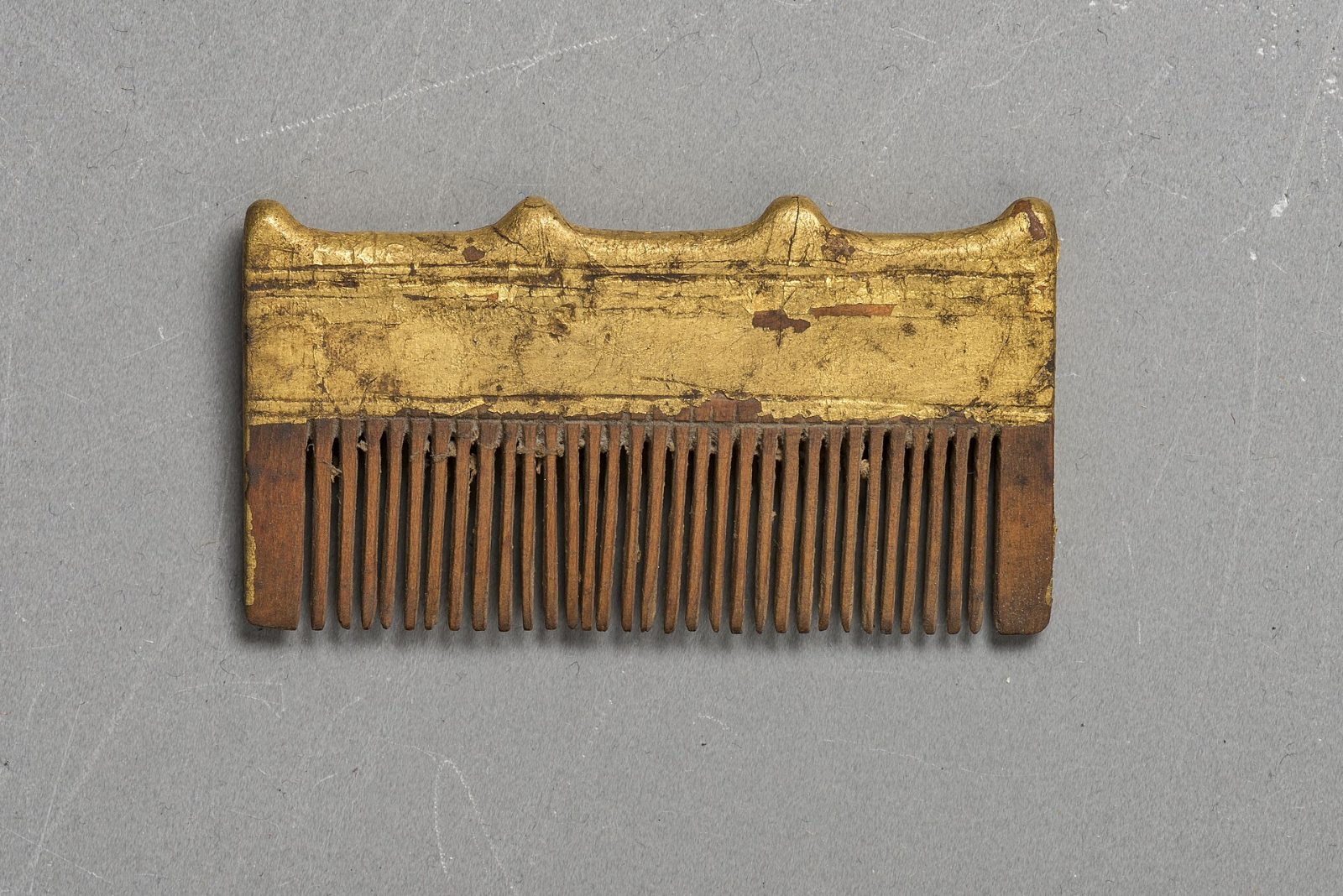
- Apply conditioner to the lengths and detangle with a wide-tooth comb from the ends upward
- Squeeze water out with a towel rather than rubbing
- Avoid tying hair up tightly while it is wet
Keep the drain clear
A simple hair catcher over the drain stops clogging and lets you see roughly how much you are shedding over time, without guessing.
When and where to get help
If shedding is heavy for more than two or three months, or you see thinning or patches, book an appointment with a dermatologist. In the UAE, look for one licensed by the DHA in Dubai, the DOH in Abu Dhabi or MOHAP in the other emirates. The doctor may examine your scalp closely, do a gentle pull test and suggest blood tests to look for treatable causes.
FAQ
How many hairs are normal to lose in the shower?
There is no exact number for a single shower. Total daily shedding of about 50 to 100 hairs is considered normal, and a good share of that may come out on wash days.
Should I wash less to lose less hair?
Washing less does not reduce shedding; it just means more hair comes out on the days you do wash. Wash as often as your scalp needs.
Does conditioner cause hair loss?
No. Conditioner helps remove hairs that were already shed and reduces breakage when detangling.
Will shedding from stress stop?
Stress-related shedding usually settles within several months, though it can take longer to see regrowth.
Sources: American Academy of Dermatology, NHS
Cover photo: Basile Morin, CC BY-SA 4.0. Last reviewed: 2026-11-26. General information only, not medical advice. Please consult a licensed practitioner in the UAE about your own situation.