

Micro bead extensions need a move-up every six to ten weeks or so, gentle daily brushing that keeps the beads from twisting, and professional removal with the right tool. Most of the problems people have with them, such as slipping beads, matting and breakage at the bead, come from what happens between appointments rather than at the fitting. This guide focuses on that part: living with micro beads once they are in.
A quick recap of how micro beads hold
Micro beads, also called micro rings or micro links, are small metal or silicone-lined rings. A strand of extension hair, usually with an I-tip, is threaded through the bead together with a small section of your own hair, and the bead is clamped flat with pliers. There is no glue or heat. That makes fitting and removal relatively gentle, but it also means the bead relies entirely on grip, and grip can loosen with growth, washing and conditioner. Our separate guide to I-tip extensions explains the fitting methods in more detail.
The first two weeks
New beads often feel tight and slightly sore, especially when lying down. That usually eases within a few days as your scalp adjusts. During this period:
- Sleep with hair in a loose plait to stop beads pressing into the scalp
- Avoid tight ponytails and buns
- Check in a mirror for any bead sitting too close to the scalp or pulling at an angle
- Report any bead that still hurts after several days
Not normal after a fitting
Sharp or worsening pain, a bead that pinches the skin, bumps or redness around a follicle, or headaches that only ease when you loosen your hair. Ask your stylist to loosen or reposition that bead.
Daily and weekly care
Beads have one weakness: hair growing out from under them can twist around the bead and start a tangle. Daily brushing stops that.
- Brush twice a day with a soft or loop brush. Start at the ends and work upward.
- Hold each section just below the beads with your other hand while brushing the roots.
- Run your fingers between rows to separate any strands starting to wrap around a bead.
- Wash two or three times a week with a gentle shampoo, massaging between rows rather than over the beads.
- Keep conditioner and oils off the beads. Slippery products can make the grip loosen.
- Dry the roots completely. Damp beads under heavy hair are the most common source of matting.
Move-ups: what happens and when
As your hair grows around a centimetre a month on average, the bead drifts away from the scalp. Once there is a gap, the weight of the strand hangs from a longer length of your own hair, which increases twisting and the risk of breakage. At a move-up, the stylist opens each bead, slides it back up close to the root, removes shed hair, and re-clamps it. The extension hair is usually reused.
| Timing | What you might notice | What to do |
|---|---|---|
| Weeks 1 to 4 | Beads close to scalp, little visible | Normal routine |
| Weeks 5 to 8 | Beads visible when you part hair, some twisting | Book your move-up |
| Beyond 10 weeks | Matting at the root, beads slipping, more breakage | Overdue: see your stylist soon |
Timings vary with how fast your hair grows and the weight of each strand. Your stylist will advise.

Slipping beads
Beads slip when the grip is too light for the section, when conditioner or oil reaches them, or when the hair is very fine and smooth. A slipped strand is usually not harmful, but repeated slipping can mean the bead size or section size is wrong for your hair. Bring slipped strands to your appointment rather than trying to refit them at home. Silicone-lined beads can help on fine hair, and your stylist may change the size.
UAE climate considerations
Heat and humidity speed up tangling, and sweat can loosen grip slightly over time.
- Rinse sweat out of the roots after the gym or a long day outdoors
- Use a cool setting on the hairdryer to fully dry the beads
- Plait hair loosely before swimming, and rinse straight after the pool or sea
- If your water feels hard, ask about a shower filter, since mineral build-up makes hair rougher and more prone to wrap around beads
Travel kit
A soft loop brush, a small bottle of gentle shampoo and a silk scrunchie cover most needs on a trip, including long flights in dry cabin air.
Safe removal
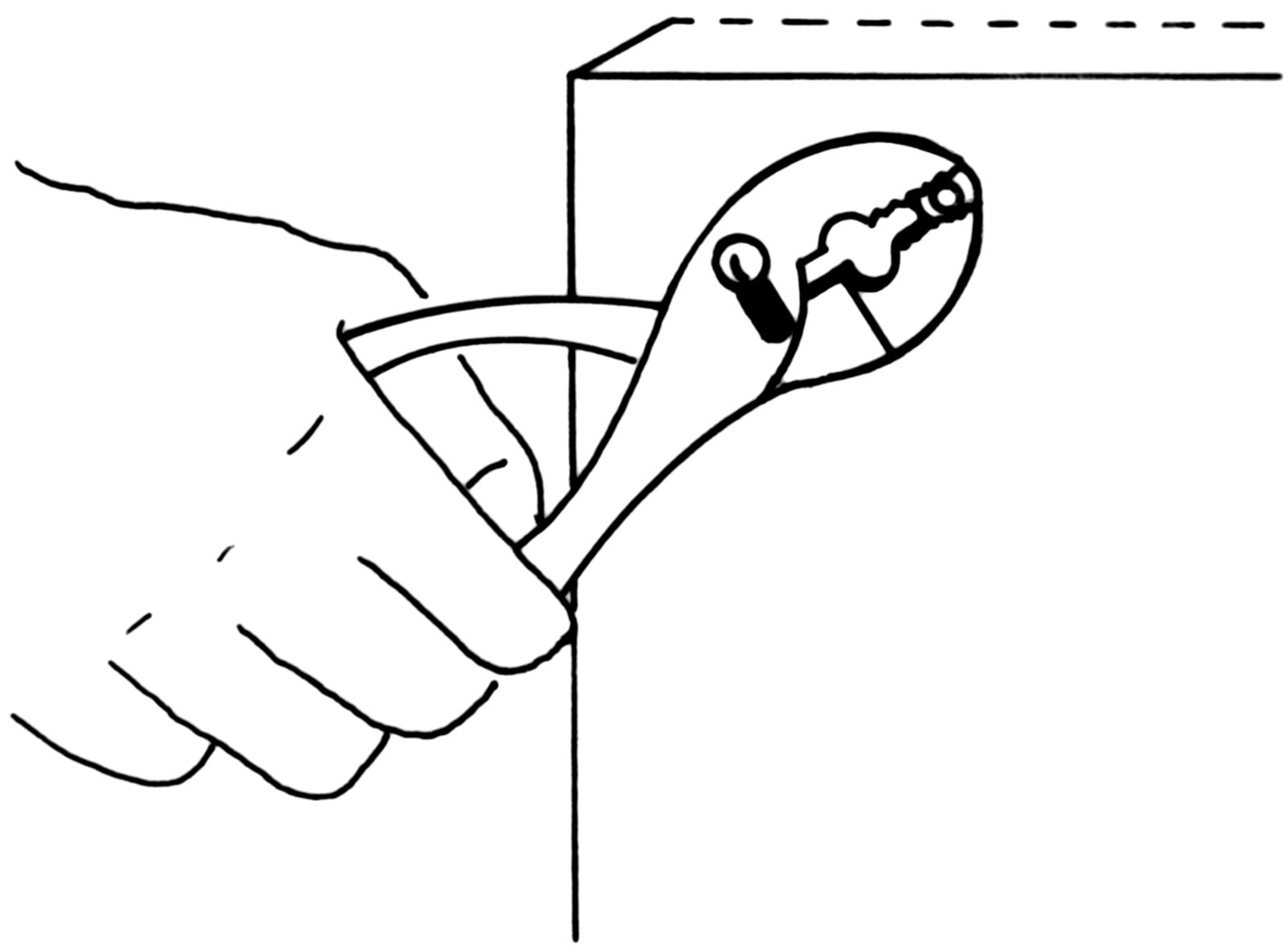
Removal should be done by a stylist with the correct pliers. Each bead is squeezed in the opposite direction to open it, and the strand slides out. Pulling or cutting beads out at home often breaks your own hair and can leave sharp metal fragments in the hair. After removal, the stylist will gently brush out the shed hair that collected at each bead. A small amount is normal.
Micro beads are only as gentle as their maintenance. On-time move-ups are what keep them kind to your hair.
What maintenance costs depend on
Salons in the UAE price move-ups differently: some charge per bead or per strand, others per session or by time. The total depends on how many strands you wear, whether new beads or fresh hair are needed, and how much tangling has built up since the last visit. Overdue appointments often take longer, so keeping to schedule can save money as well as your hair. Ask for a written price for move-ups and removal before the first fitting so there are no surprises.
When to see a doctor
Persistent soreness, small bumps or pustules around follicles, redness that spreads, crusting, or any new thinning or bald patches need medical attention. They may be signs of folliculitis, irritation or traction alopecia. Remove the tension early. A dermatologist licensed by the DHA, DOH or MOHAP can examine the scalp. If you are unsure about a pattern of thinning, see our hair loss stages overview.
FAQ
How long do micro bead extensions last?
The beads need moving up about every six to ten weeks. Good-quality hair can often be reused for several months.
Can I remove micro beads myself?
It is not recommended. Without the right pliers and technique, home removal is a common cause of breakage.
Why do my beads keep slipping out?
Usually due to conditioner or oil on the beads, sections that are too small for the bead, or very fine hair. Your stylist can adjust size and placement.
Are metal beads safe for people with nickel allergy?
People with known metal allergies should tell the stylist. Silicone-lined or coated beads may help, but discuss any history of reactions first.
Sources: American Academy of Dermatology, NHS
Cover photo: Roniius, CC BY 4.0. Last reviewed: 2026-11-26. General information only, not medical advice. Please consult a licensed practitioner in the UAE about your own situation.