
Sulphate-free shampoo is recommended for hair extensions because sulphate detergents strip oil quickly, and extension hair has no scalp feeding it natural oil. Gentler cleansers help the lengths stay soft for longer and are less likely to loosen tape adhesive or dry out keratin bonds. It is not magic, though: how you wash matters as much as what is in the bottle.
Why extension hair needs gentler cleansing
Your own hair is constantly coated with sebum from the scalp. Even if you strip it with a strong shampoo, the scalp replaces some of that oil within a day or two. Extension hair is cut off from that supply. Once its cuticle is roughened and its oils are washed away, it stays dry until you add moisture back with conditioner or oil.
Sulphates such as sodium lauryl sulfate and sodium laureth sulfate are effective, inexpensive detergents that produce lots of lather. They are fine for many people’s natural hair. On extensions, frequent use can leave the lengths rough, tangly and dull faster, and some stylists find that strong detergents and oily residues around tape or bonds can shorten how long attachments hold. Advice from manufacturers varies by method, so always check the aftercare sheet your stylist gives you.
What sulphate-free actually means on a label
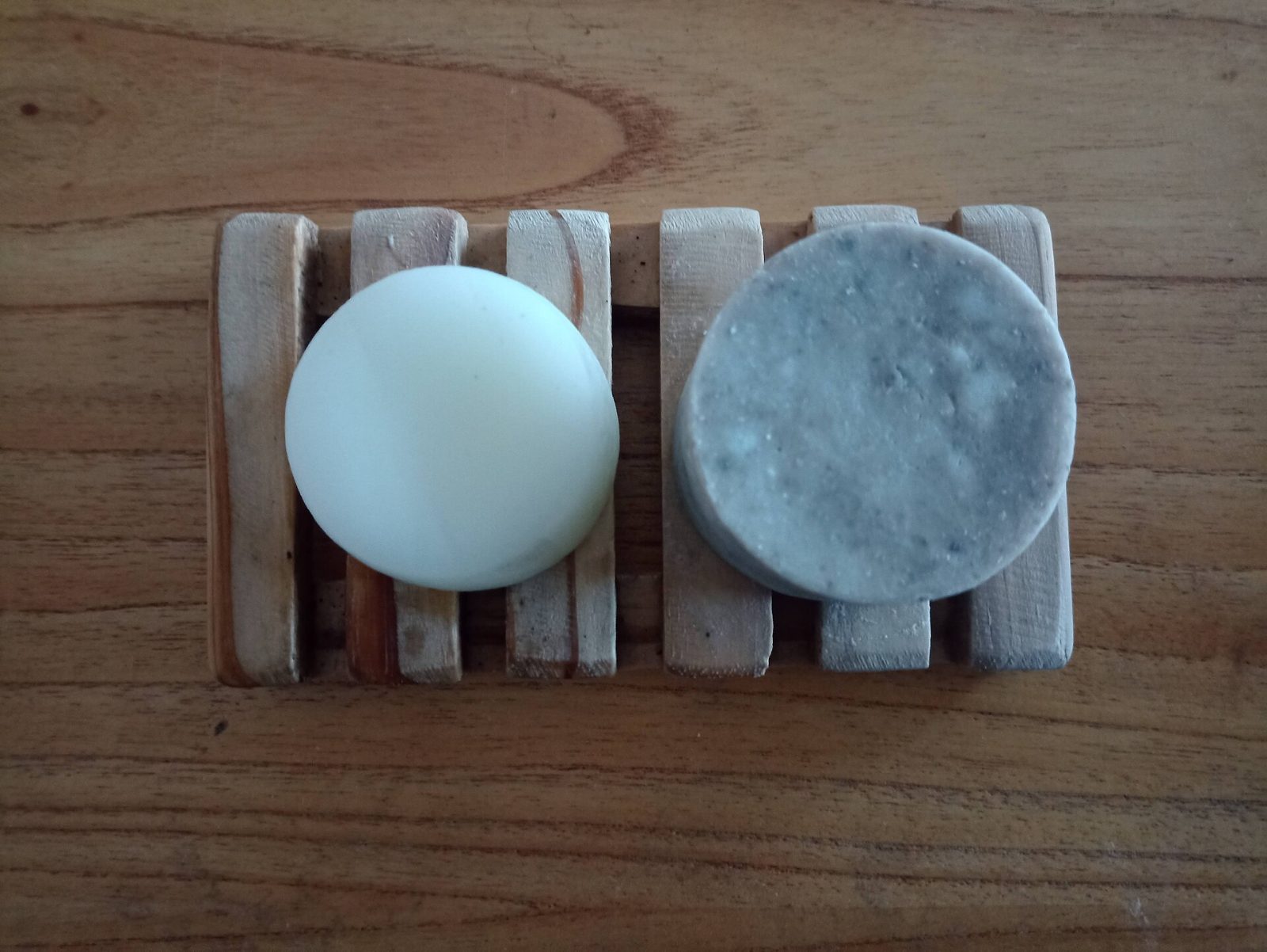
“Sulphate-free” only tells you which detergents are absent. These shampoos still need a cleanser, usually a milder surfactant such as cocamidopropyl betaine, sodium cocoyl isethionate, decyl glucoside or similar. They lather less, which some people mistake for not working.
| Ingredient group | Examples on labels | Notes for extensions |
|---|---|---|
| Strong sulphate detergents | Sodium lauryl sulfate, sodium laureth sulfate, ammonium lauryl sulfate | Clean thoroughly, but more drying on lengths with frequent use |
| Milder surfactants | Cocamidopropyl betaine, coco glucoside, sodium cocoyl isethionate | Common in sulphate-free formulas, gentler on lengths |
| Heavy oils near the root | Rich oils, butters | Useful on lengths; keep away from tape and bonds |
| Alcohol-heavy products | Some sprays and styling products | Can dry extension hair, use sparingly on lengths |
Look at the whole formula rather than one claim on the front. A sulphate-free shampoo that is very rich in oils can still cause problems if you massage it straight into tape panels.
Quick label checklist
- Sulphate-free cleanser for regular washes
- Free of heavy oils if you have tape-ins or bonds
- Paired with a conditioner you apply only from mid-length to ends
- An occasional clarifying wash only if your stylist agrees, for product or hard water build-up
How to wash extensions properly
Technique protects the attachments more than any single product.
- Brush gently from the ends upward before washing to remove tangles, holding the hair near the attachment so you do not pull on it.
- Wet the hair with lukewarm water, not hot. Very hot water is harder on both your scalp and the hair.
- Dilute a small amount of shampoo in your hands and work it into the scalp between the rows with your fingertips. Do not rub in circles over the bonds.
- Let the suds run down the lengths rather than scrubbing the lengths themselves.
- Rinse thoroughly. Leftover product at the root can cause build-up and itch.
- Apply conditioner from mid-length to ends only, comb through with a wide-tooth comb, then rinse.
- Squeeze out water with a towel and dry the roots fully with a dryer on a cool or medium setting.
Wash in the shower standing upright, or with your head tipped back. Bending forward over a basin can tangle extensions at the attachment.

UAE water, heat and pools
Hard water is a common complaint in parts of the UAE. Minerals can sit on the hair, making it feel stiff, look dull and tangle more easily. A sulphate-free shampoo will not remove heavy mineral build-up on its own. Many people use a shower head filter, and some stylists recommend an occasional chelating or clarifying wash. If you have tape-ins or bonds, ask first, because strong clarifiers can be harsh on adhesives.
Summer heat often means more washing because of sweat. Instead of a full shampoo every time, you can rinse the scalp with water after exercise and keep full washes for every second or third day, if your scalp stays comfortable. If your scalp becomes itchy, oily or flaky, wash more often rather than less. Scalp health comes first.
Chlorine and sea salt are both drying. Wet your hair with fresh water before swimming, wear a cap if you can, and rinse straight after.
Make one bottle go further
Keep a small bottle of your sulphate-free shampoo and conditioner in your gym bag. Most damage to extensions in hot weather comes from sweat and chlorine sitting in the hair for hours, not from the product you use at home.
Does it matter for every type of extension?
It matters most for human hair extensions that you wear for weeks, especially tape-ins and keratin bonds. Clip-ins are washed less often and off the head, so you have more control, but sulphate-free products still keep them soft for longer. Synthetic extensions often need their own specific product, and many should not be heat styled at all. Follow the manufacturer’s guidance.
Gentle shampoo, conditioner on the ends only and fully dried roots do more for extension life than any single product claim.
When the problem is your scalp, not the shampoo
Extensions add weight and change how air reaches your scalp. If you notice soreness, burning, spreading redness, flaking that does not settle, pus, small bumps around follicles or patches of thinning, stop treating it as a product issue. These can point to irritation, infection, allergy or traction alopecia. A dermatologist licensed in the UAE can examine the scalp and advise whether the extensions should come out. Our guide to hair loss stages can help you describe any thinning pattern you notice.
People with sensitive skin or a history of contact allergy should patch test new products, and remember that “natural” or “organic” ingredients can still cause allergic reactions.
FAQ
Can I use my normal shampoo once in a while?
Occasional use is unlikely to ruin extensions, but regular use of strong detergents tends to dry the lengths faster. Check your stylist’s aftercare guidance for your method.
How often should I wash hair extensions?
Many stylists suggest two or three times a week, adjusted for sweat and scalp needs. Washing too rarely can cause build-up and itch at the roots.
Are sulphate-free shampoos better for natural hair too?
Some people with dry, curly or colour-treated hair prefer them. Others with oily scalps find they need a stronger cleanser. It depends on your hair and scalp.
Should I use dry shampoo with extensions?
Small amounts at the roots are usually fine, but rinse it out properly at the next wash to avoid build-up around attachments.
Sources: American Academy of Dermatology, NHS
Cover photo: Sangianense, CC BY-SA 4.0. Last reviewed: 2026-11-26. General information only, not medical advice. Please consult a licensed practitioner in the UAE about your own situation.