
Good extension care comes down to a simple rhythm: brush gently every day, wash and dry the attachment areas properly a few times a week, and see your stylist for maintenance on schedule. Most problems people blame on the hair itself, such as matting, shedding and dryness, come from skipped steps in that routine, especially in the heat and humidity of a UAE summer.
Every day
Daily care is about keeping tangles from forming and protecting the attachments.
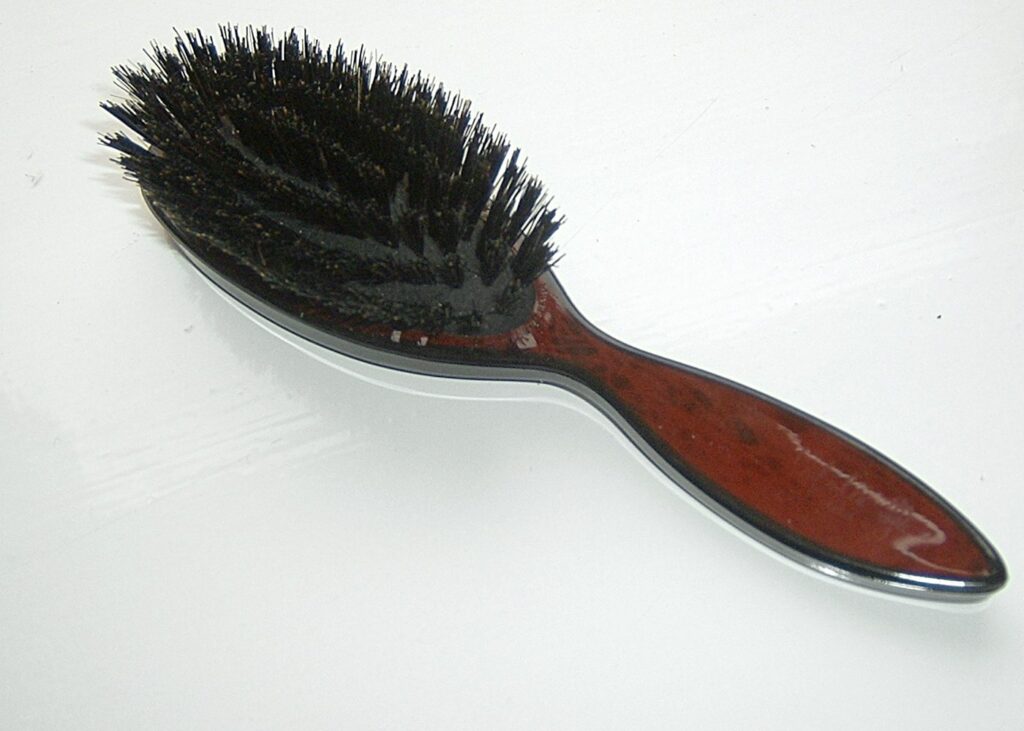
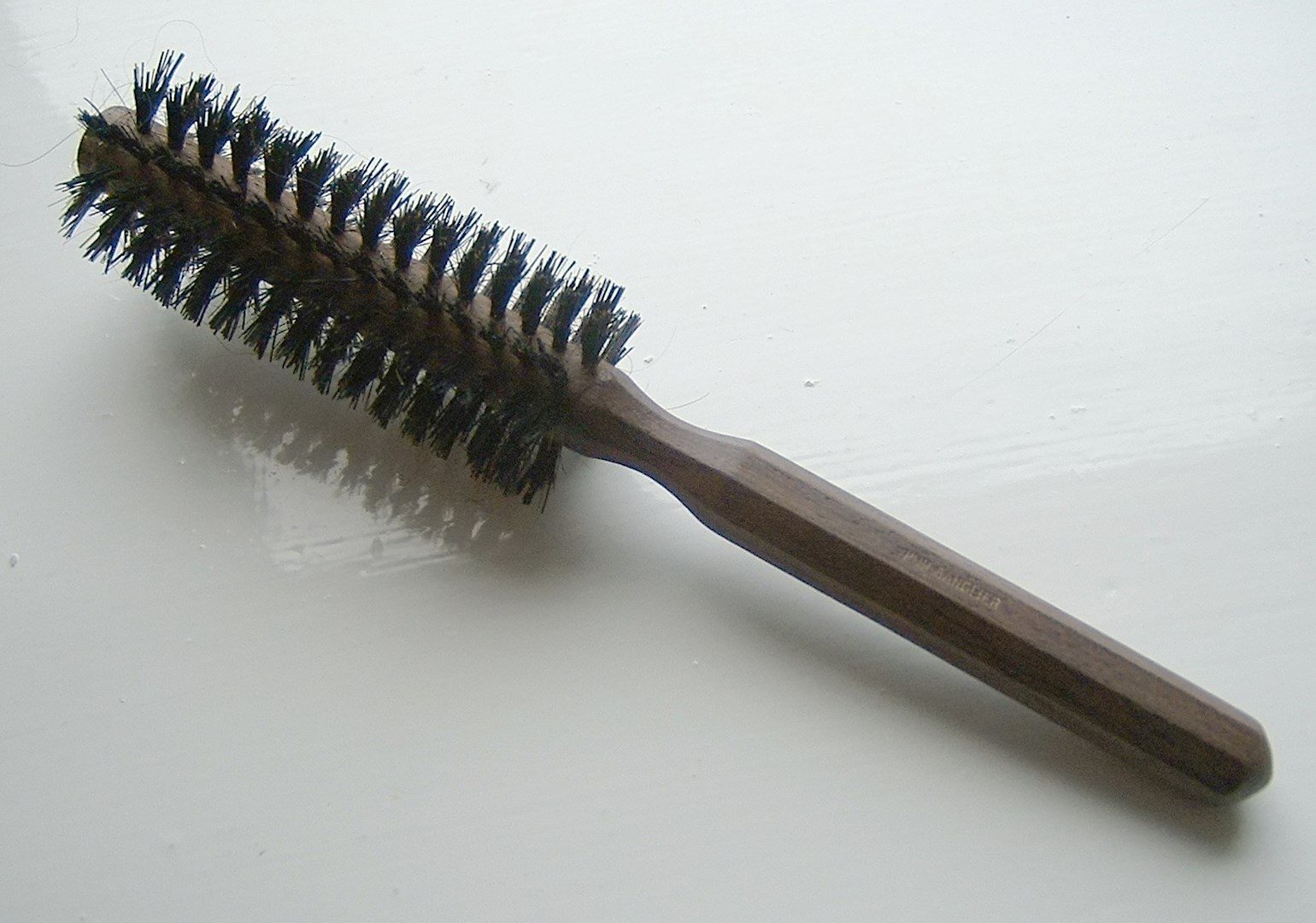
- Brush twice a day. Use a soft-bristle or loop extension brush. Start at the ends and work upward, holding the hair just below the bonds, tape or rows with your other hand so you do not pull on them.
- Check the roots. Run your fingers gently between attachments to separate any hairs that are starting to twist together. Small tangles are easy to undo; a matted root is not.
- Sleep smart. Go to bed with dry hair in a loose plait or low ponytail. A silk or satin pillowcase reduces friction. Never sleep with wet roots.
- Protect before heat. Use a heat protectant on the lengths and keep straighteners and curling tongs a finger’s width away from bonds and tape.
Two or three times a week
Most stylists suggest washing two or three times a week, more if you sweat heavily. Washing too rarely lets sweat, oil and product build up at the root, which leads to itching and matting.
- Brush out tangles before you get in the shower.
- Wash standing upright so the hair falls in its natural direction.
- Massage a gentle sulphate-free shampoo into the scalp between attachments with your fingertips.
- Let the lather rinse down the lengths without scrubbing them.
- Apply conditioner or a mask from mid-length to ends only.
- Rinse well, squeeze out water, then blow-dry the roots completely on a medium or cool setting. Lengths can air dry if you prefer.
The one mistake that causes most matting
Leaving the attachment area damp. Wet bonds and rows under a ponytail or a towel turban, or slept on while damp, are the fastest route to tangled roots. Always dry the roots fully.
Weekly and monthly
Once a week, give the lengths extra moisture. A hydrating mask on the mid-lengths and ends, left on for the time the product suggests, helps make up for the oil extension hair does not get from the scalp. A light oil or serum on the ends can help with dryness, kept well away from tape and bonds.
Once a month or so, look closely at your hair in good light. Check whether attachments have grown down noticeably, whether any are slipping or have hair tangled around them, and whether your scalp looks red or sore anywhere. Note anything unusual to mention at your next appointment.
| How often | Task | Why it matters |
|---|---|---|
| Daily | Gentle brushing, root separation, loose plait for sleep | Prevents tangles and matting |
| 2 to 3 times a week | Wash scalp, condition ends, dry roots fully | Stops build-up and damp roots |
| Weekly | Hydrating mask on lengths | Replaces moisture extension hair lacks |
| Monthly | Visual check of attachments and scalp | Catches slipping or irritation early |
| Every 6 to 12 weeks, method dependent | Salon maintenance or move-up | Keeps tension off the follicles |

UAE-specific habits
Heat, sun, sweat, pools and hard water are the main extra challenges here.
- Sweat: rinse with water after workouts or long outdoor time, then dry the roots. You do not always need shampoo.
- Sun: a hat or scarf reduces UV drying on the lengths. Some leave-in products also offer heat or UV protection.
- Pools and sea: wet hair with fresh water first, wear it in a plait, and rinse straight after swimming. Chlorine and salt both dry the hair and can discolour light shades.
- Hard water: if hair feels stiff or dull, ask your stylist about a shower filter or a gentle clarifying routine suitable for your method.
- Air-conditioning: long hours in dry indoor air can make both scalp and lengths feel dry. Moisture on the lengths and a gentle routine for the scalp help.
Styling without damage
Extensions can be styled, but they wear faster with heat. Keep tools at a moderate temperature, use protectant every time, and avoid clamping tools over attachments. Tight high ponytails and buns put extra tension on the rows, so alternate styles and keep them loose. If you want to colour extension hair, let your stylist do it, as extension hair can react differently to dye.
Gentle brushing, dry roots and on-time maintenance do more for extensions than any expensive product.
Signs something is wrong
Contact your stylist if an attachment feels painful, pulls when you move, or slips. Seek medical advice if you notice redness or swelling, small pus-filled bumps around follicles, crusting, persistent itch, unusual shedding, or thinning patches. These can point to irritation, infection or traction alopecia, which is hair loss from prolonged pulling. Early action helps recovery. A dermatologist licensed by the DHA, DOH or MOHAP can examine your scalp. If you are unsure whether you are seeing normal shedding or a thinning pattern, our hair loss stages guide explains common patterns.
Shed hair at removal is normal
When extensions are taken out, you will see a small amount of loose hair. That is natural shedding that stayed trapped in the attachment over the weeks. Large clumps or bald patches are not normal and should be checked.
Products worth having
You do not need a long shelf of products. A gentle sulphate-free shampoo, a conditioner, a weekly mask, a heat protectant, a soft extension brush and a silk pillowcase cover most needs. Ask your stylist which products suit your method, especially if you have tape-ins, since some oils and silicones can weaken adhesives.
FAQ
Can I brush extensions when wet?
Only gently, with a wide-tooth comb or wet brush, starting at the ends and holding the hair above. Wet hair stretches and breaks more easily.
How do I stop extensions tangling at night?
Dry hair fully, plait it loosely and sleep on a silk or satin pillowcase.
How often should I go back to the salon?
It depends on the method and how fast your hair grows. Many methods need maintenance every six to twelve weeks. Your stylist will set the schedule.
Can I use oil on extensions?
On the lengths and ends, usually yes in small amounts. Keep oils away from tape and bonds unless your stylist says otherwise.
Sources: American Academy of Dermatology, NHS
Cover photo: en:User:Musical Linguist, CC BY-SA 3.0. Last reviewed: 2026-11-26. General information only, not medical advice. Please consult a licensed practitioner in the UAE about your own situation.