
PRP stands for platelet-rich plasma: a small amount of your own blood is spun in a centrifuge to concentrate the platelets, and that concentrate is injected or applied where healing or regrowth is wanted. It is used for hair thinning, skin rejuvenation, some tendon and joint problems and in parts of dentistry and surgery, but the evidence differs a lot from one use to another.
How PRP is made
Platelets are tiny blood cells best known for clotting, but they also release proteins called growth factors that help coordinate tissue repair. The idea behind PRP is to deliver a higher concentration of those growth factors directly to a target area.
A typical PRP preparation goes like this:
- Blood draw. A clinician takes blood from your arm, similar to a routine blood test.
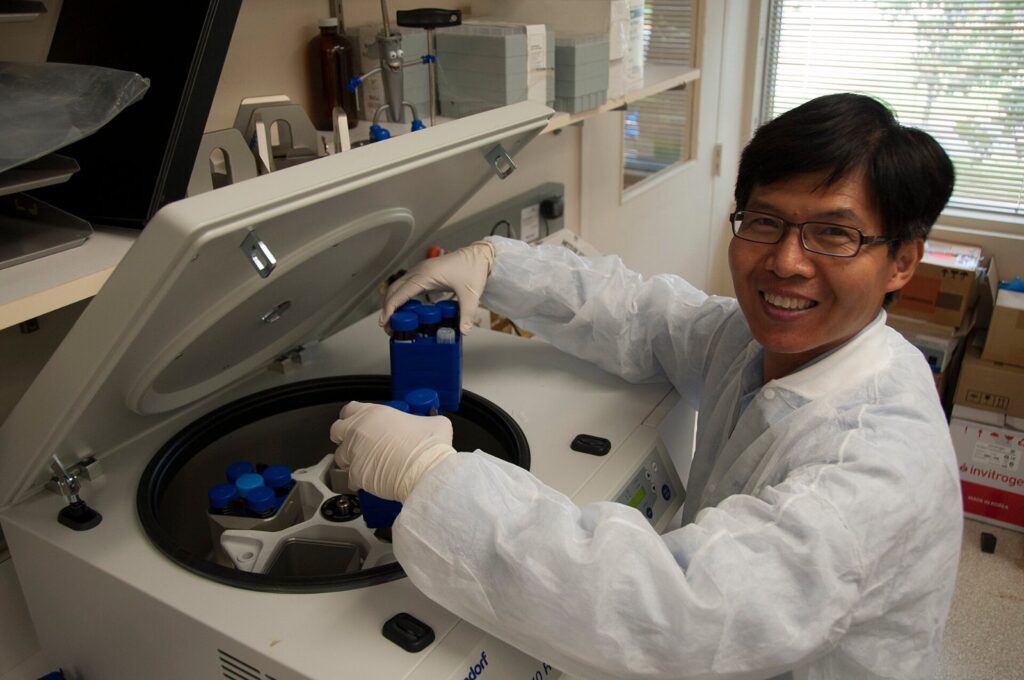
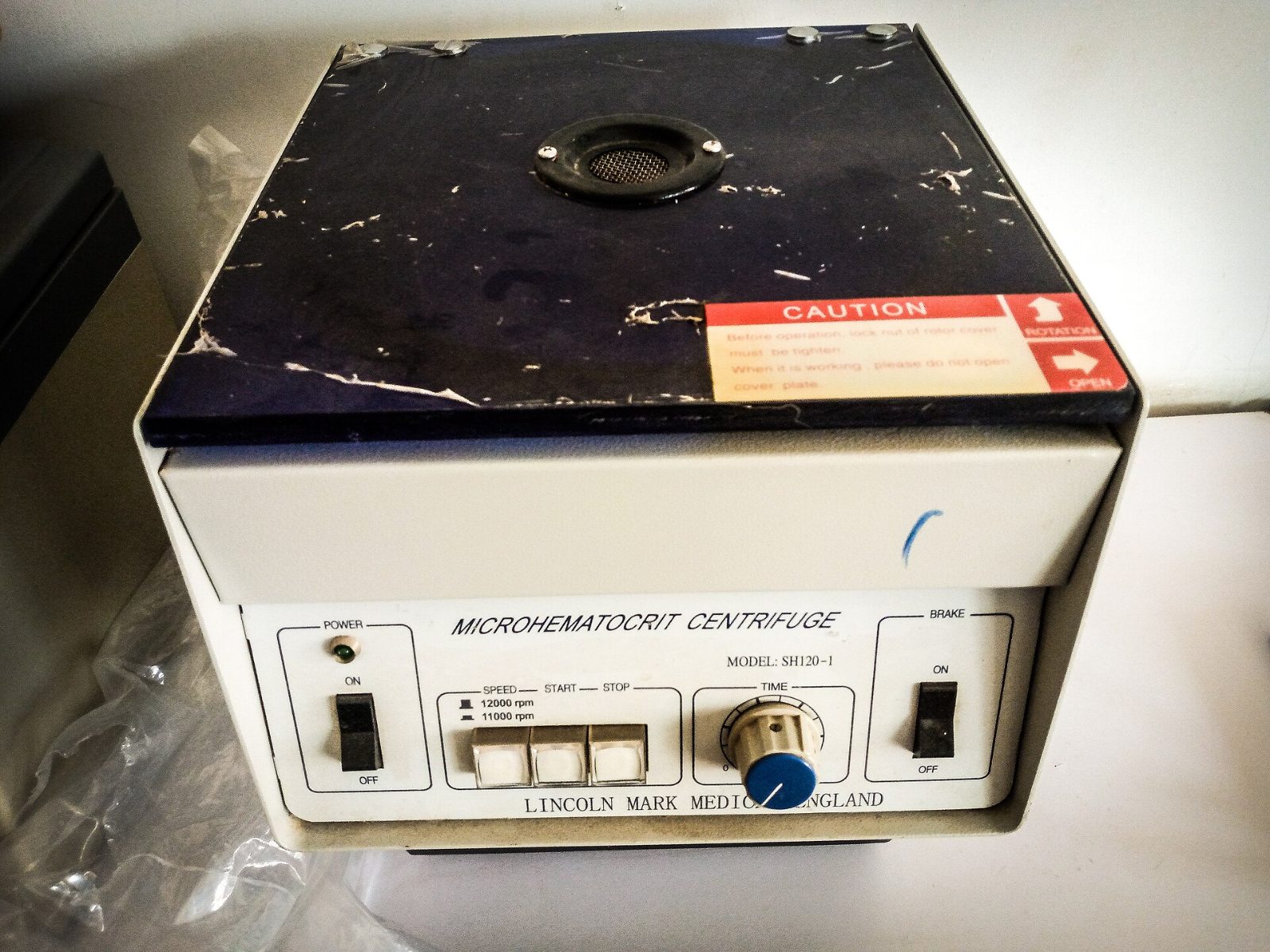
- Centrifuge. The tube is spun so the blood separates into layers: red cells at the bottom, a thin platelet-rich layer, and platelet-poor plasma on top.
- Collection. The platelet-rich portion is drawn off. Some systems add an activator or combine it with other substances.
- Application. The PRP is injected into the scalp, skin, tendon or joint, or applied during microneedling or surgery.
There is no single standard recipe. Kits and devices differ in how much blood they use, how concentrated the platelets end up, and whether white blood cells are included. That variation is one reason studies sometimes disagree.
Where PRP is used
| Area | Common purpose | State of the evidence |
|---|---|---|
| Scalp | Androgenetic (pattern) hair thinning | Several trials suggest benefit for some people, results vary |
| Face and skin | Texture, fine lines, acne scars, often with microneedling | Promising but smaller and less consistent studies |
| Tendons | Tennis elbow, some chronic tendon problems | Mixed results, depends on condition and protocol |
| Knees and joints | Osteoarthritis symptoms | Some studies show symptom relief, guidance differs between bodies |
| Dentistry and surgery | Supporting healing after procedures | Used in specific settings, evidence varies |
On this site we focus on hair. Our guide to platelet-rich plasma for hair loss goes into scalp treatment in detail, including session schedules and how results are usually assessed.
What PRP is not
- It is not a stem cell treatment, although some clinics market it alongside stem cell or exosome products
- It does not change your genes or permanently stop pattern hair loss
- It is not a replacement for diagnosing the cause of hair loss or joint pain
What a hair PRP session feels like
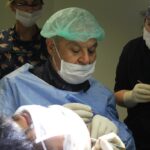
For the scalp, the clinician usually cleans the area, may apply a numbing cream or use a cooling device, and then makes a series of small injections across the thinning zones. The whole visit, including the blood draw and centrifuge time, often takes about an hour. Afterwards the scalp can feel tight or tender, and there may be mild swelling or small bruises.
Clinics typically recommend a course of several sessions spaced weeks apart, followed by maintenance sessions. Since hair grows slowly, any change usually takes months to assess. Our hair loss stages guide can help you track where you started.
PRP tends to work best as one part of a hair-loss plan that starts with a diagnosis, not as a stand-alone fix.
Side effects and who should avoid it
Because PRP uses your own blood, allergic reactions are unlikely. The main risks come from the injections and the handling of the sample.
Common, usually short-lived effects:
- Pain or tenderness at the injection sites
- Swelling, redness and minor bruising
- Headache after scalp sessions
- Light bleeding at injection points
Less common but important: infection, nerve irritation and, if equipment is not sterile, transmission of blood-borne infections. This is why PRP should only be done in a licensed medical facility using single-use kits.
PRP is usually not advised if you have
- A low platelet count or a platelet function disorder
- An active infection, particularly at or near the treatment site
- Active cancer, especially blood cancers, unless your specialist agrees
- Pregnancy or breastfeeding, mainly because safety data are lacking
- Anticoagulant or antiplatelet medicines: never stop these on your own; your prescribing doctor must decide
Contact the clinic or seek medical care if you develop spreading redness, warmth, pus, fever, or severe pain that gets worse rather than better in the days after treatment.

PRP in the UAE
PRP is classed as a medical procedure. In Dubai it should be carried out in a facility licensed by the Dubai Health Authority, in Abu Dhabi by the Department of Health, and in the northern emirates under the Ministry of Health and Prevention. The person injecting should be a licensed doctor or a nurse working under appropriate supervision.
Prices vary between clinics, kits and the number of sessions recommended, so ask for an itemised quote and check whether the price is per session or per package. Questions worth asking before you book:
- Who diagnoses the cause of my hair loss or skin concern?
- Which PRP kit or system do you use, and is it single-use?
- How many sessions do you recommend, and how will we measure the result?
- What other treatments might work better or alongside PRP for me?
Frequently asked questions
Is PRP painful?
Most people feel discomfort rather than severe pain. Numbing cream, cooling and fine needles help. The scalp and face are more sensitive than some other areas.
How long do PRP results last?
For hair, any benefit usually needs maintenance sessions, because PRP does not stop the underlying process of pattern hair loss. For skin, results also fade gradually over time.
Is PRP safe because it uses my own blood?
It avoids allergy to foreign substances, but it still involves needles and blood handling. Safety depends on a sterile technique, single-use kits and a proper medical assessment.
Can PRP be combined with other treatments?
Often yes. For hair it is commonly combined with topical or oral treatments chosen by a doctor, and for skin with microneedling. Your doctor should explain the evidence for each combination.
Sources: American Academy of Dermatology, Cleveland Clinic, Dubai Health Authority
Last reviewed: 2026-11-25. General information only, not medical advice. Please consult a licensed practitioner in the UAE about your own situation.