
Platelet-rich plasma (PRP) for hair loss uses a concentrate of your own blood platelets, injected into the scalp to support weakened hair follicles. Studies suggest it can help some people with androgenetic (pattern) hair loss, but results vary and it works best on thinning hair rather than completely bald areas.
How PRP works
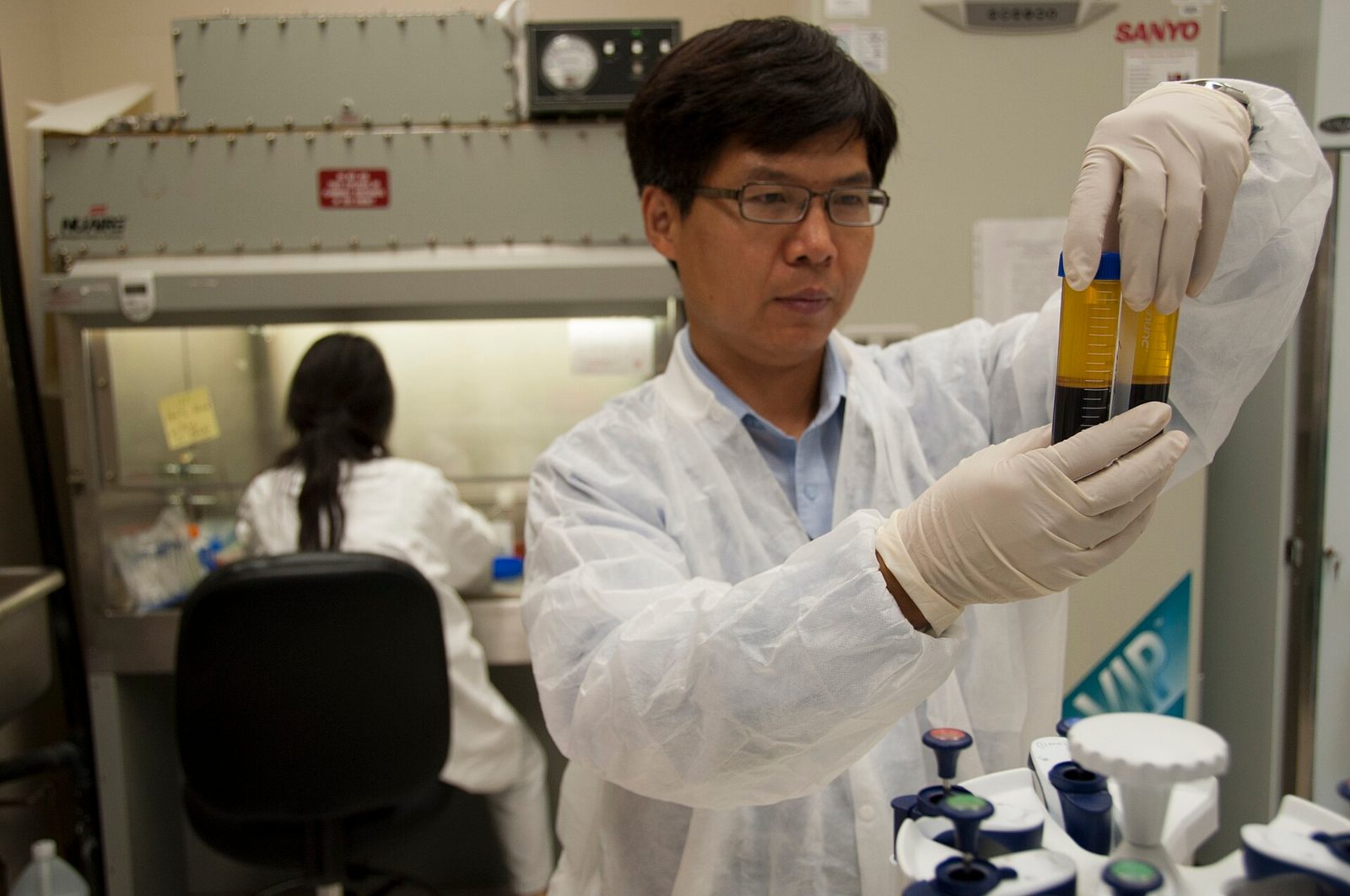
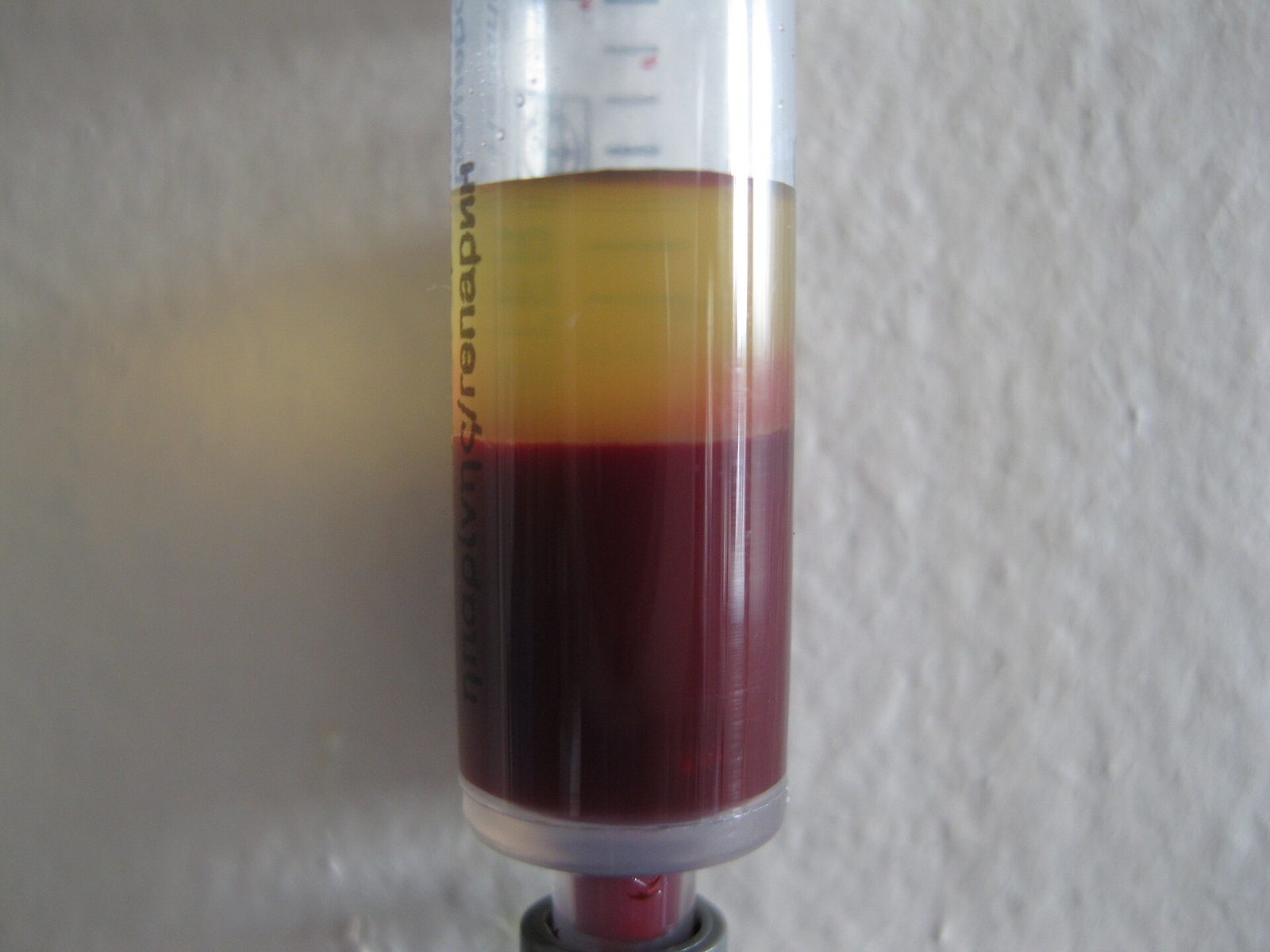
A small amount of blood is drawn from your arm and spun in a centrifuge to separate the platelet-rich plasma. This is then injected into thinning areas of the scalp. Platelets contain growth factors that are thought to prolong the growth phase of hair follicles.
Who it may help
| Situation | Likely suitability |
|---|---|
| Early to moderate pattern hair loss | Often considered |
| Thinning after stopping minoxidil or finasteride | May be discussed alongside other options |
| Complete baldness in an area | Unlikely to help; follicles are no longer active |
| Hair loss from thyroid, iron deficiency or other medical causes | Treat the cause first |
| Patchy hair loss (alopecia areata) | Needs a dermatologist’s assessment |
What a typical course looks like
Many clinics recommend an initial series of sessions about a month apart, followed by maintenance treatments. Results, if any, usually take several months to show. Ask your clinic for its own protocol and what it bases it on.
Choosing a clinic in the UAE
PRP is a medical procedure and should be carried out in a licensed facility by a qualified practitioner. Check the clinic’s licence with DHA, DOH or MOHAP, and ask how the plasma is prepared. A clinic that offers PRP therapy should first assess the cause of your hair loss, which may include blood tests, rather than treating every case the same way.
PRP may not be suitable if you have
- Blood or platelet disorders
- Ongoing anticoagulant treatment
- Active scalp infection
- Some cancers or chronic illnesses; ask your doctor
- Pregnancy
Side effects
Most side effects are short-lived: tenderness, swelling or mild bleeding at injection sites, and a slight headache. Infection is rare when sterile technique is used.
PRP is a support treatment for thinning hair, not a cure for baldness.
Frequently asked questions
Is PRP better than a hair transplant?
They do different things. A transplant moves follicles to bald areas; PRP aims to strengthen existing follicles. Some people combine them.
Can I use minoxidil with PRP?
Many doctors combine PRP with standard treatments. Ask your doctor before changing any medicine.
Does it hurt?
Numbing is often used. Most people feel pressure and some stinging during injections.
Sources: American Academy of Dermatology, NHS
Cover photo: Joe Mabel, CC BY-SA 3.0. Last reviewed: 2026-11-25. General information only, not medical advice. Please consult a licensed practitioner in the UAE about your own situation.