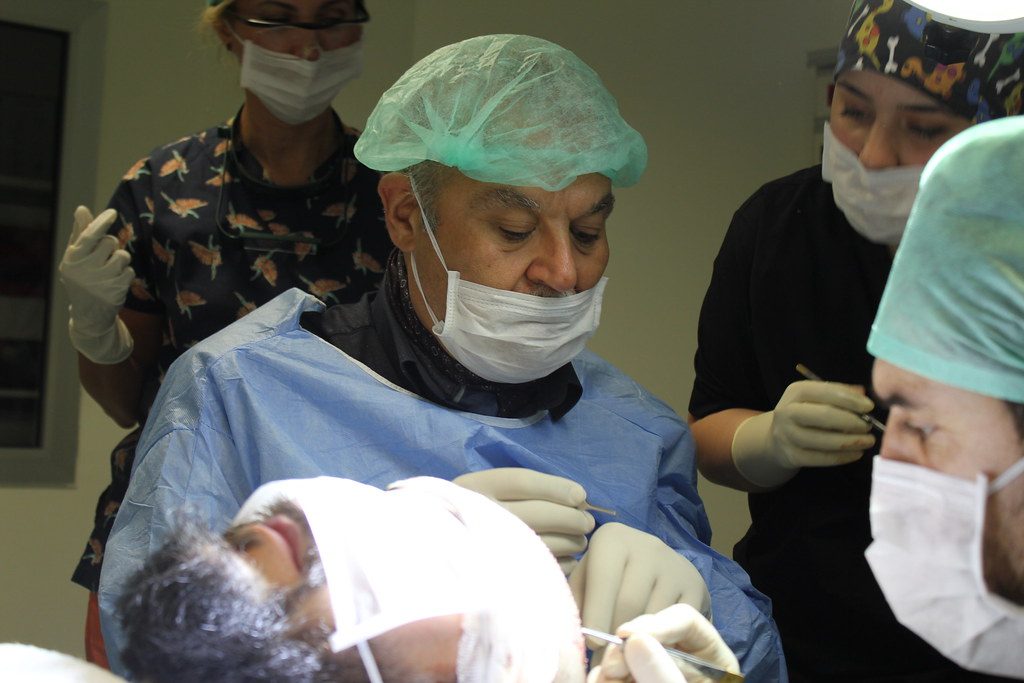

A hair transplant in Abu Dhabi is a surgical procedure in which hair follicles are moved from a dense donor area, usually the back of the scalp, to thinning or bald areas. It must be carried out in a facility licensed by the Department of Health Abu Dhabi, by a licensed surgeon, and it works best for stable pattern hair loss in people with a good donor supply and realistic expectations.
Who is a good candidate
A transplant redistributes hair you already have; it does not create new follicles. That makes assessment the most important part of the process. Surgeons usually look at:
- Type of hair loss. Androgenetic (pattern) hair loss is the classic indication. Patchy alopecia areata, active scarring alopecias and diffuse shedding from illness or deficiency usually need medical treatment first.
- Stability. Hair loss that is still progressing quickly, particularly in younger men, can leave transplanted hair isolated as surrounding native hair continues to thin.
- Donor density. The number and quality of follicles at the back and sides of the scalp sets a limit on how much can be moved over a lifetime.
- Hair characteristics. Thick, wavy or curly hair and a low contrast between hair and skin colour tend to give more coverage per graft.
- General health. Conditions such as uncontrolled diabetes, bleeding disorders or certain heart problems may affect suitability for surgery.
Our hair loss stages guide shows the common patterns, and our graft count estimator gives a rough idea of how many grafts different areas might need. Only an in-person assessment can give you a real number.
FUE, FUT and DHI explained
| Technique | How grafts are taken | How they are placed | Donor scar | Notes |
|---|---|---|---|---|
| FUE (follicular unit extraction) | Individual follicular units punched out one by one | Into small incisions made by the surgeon | Tiny dot scars spread over the donor area | Most common method today |
| FUT (strip method) | A strip of scalp removed and divided under microscopes | Into incisions | A single linear scar | Can yield many grafts in one session |
| DHI (direct implantation) | Usually extracted as in FUE | Implanted with a pen-like tool that creates the site and places the graft | Like FUE | A placement variation of FUE |
No technique is “best” for everyone. What matters most is the experience of the surgeon and team, the survival of grafts outside the body, the design of the hairline and the protection of your donor area for the future.

What the procedure day is like
Most hair transplants are done under local anaesthetic, so you are awake. Depending on the number of grafts, the session can take most of a day. You may need to shave part or all of the scalp, although some clinics offer unshaven or partially shaven options for smaller sessions.
The typical steps are:
- Final hairline design and photographs
- Local anaesthetic to the donor and recipient areas
- Graft extraction, then sorting and storage in a cooled solution
- Creating recipient sites and placing the grafts
- Dressing, medications and detailed written aftercare
The hairline you agree to at 30 should still look natural at 50, when more of your native hair may have thinned.
Recovery and results timeline
What usually happens after surgery
- First days: swelling of the forehead is common; sleeping semi-upright can help
- First one to two weeks: small crusts form and then shed during careful washing
- Weeks two to eight: many transplanted hairs fall out (this is expected) while follicles stay in place
- Around three to four months: new growth often starts to appear
- Around twelve to eighteen months: the final result can usually be judged
Native hair near the transplanted area can also shed temporarily after surgery, often called “shock loss”. It usually regrows, but not always, which is one reason surgeons are cautious in areas of thinning but not yet bald scalp.
Risks and red flags
Common short-term effects include swelling, numbness, tightness, itching and small pimples as hairs grow. Less common complications include infection, bleeding, poor graft growth, an unnatural hairline, visible donor scarring and over-harvesting of the donor area.
Seek medical advice promptly if you have
- Spreading redness, heat, pus or worsening pain
- Fever after surgery
- Bleeding that does not stop with gentle pressure
- Severe swelling around the eyes affecting your vision
Be wary of clinics where technicians, rather than the licensed surgeon, appear to perform most steps without supervision, where very large graft numbers are promised in one session regardless of your donor area, or where you are pushed to decide on the day of consultation.
Practical points for Abu Dhabi
- Licensing. Check that the facility and doctor hold Department of Health Abu Dhabi licences. Hair transplantation is surgery, not a salon service.
- Heat and sun. Most surgeons ask you to protect the grafts from direct sun and avoid heavy sweating, saunas and swimming for a period after surgery. Planning the procedure for the cooler months makes this easier.
- Work and travel. Many people take several days off, and some prefer to work from home until crusts have cleared.
- Cost. Prices vary depending on the technique, the number of grafts, the surgeon’s experience and what is included. Ask for an itemised written quote covering consultation, surgery, medication, aftercare visits and any follow-up sessions.
- Ongoing treatment. A transplant does not stop pattern hair loss in untreated areas. Your doctor may discuss medical treatments to help protect your native hair.
Frequently asked questions
Is a hair transplant permanent?
Transplanted follicles from a good donor area are usually resistant to pattern hair loss and tend to keep growing. Native hair elsewhere may continue to thin over time, which can change how the result looks.
Does a hair transplant hurt?
Local anaesthetic injections are uncomfortable for a short time. After that, most people feel pressure rather than pain. Soreness and tightness afterwards are usually managed with simple painkillers advised by the surgeon.
Can women have hair transplants?
Some women with stable, patterned thinning and a good donor area are candidates. Many female hair loss patterns are diffuse, so a full medical assessment is particularly important.
How many grafts will I need?
It depends on the area, the density you want, your hair characteristics and your donor supply. A surgeon can give you an estimate after examining your scalp.
Sources: Department of Health Abu Dhabi, International Society of Hair Restoration Surgery, American Academy of Dermatology
Cover photo: ACA ACADEMY, CC BY-SA 4.0. Last reviewed: 2026-11-25. General information only, not medical advice. Please consult a licensed practitioner in the UAE about your own situation.