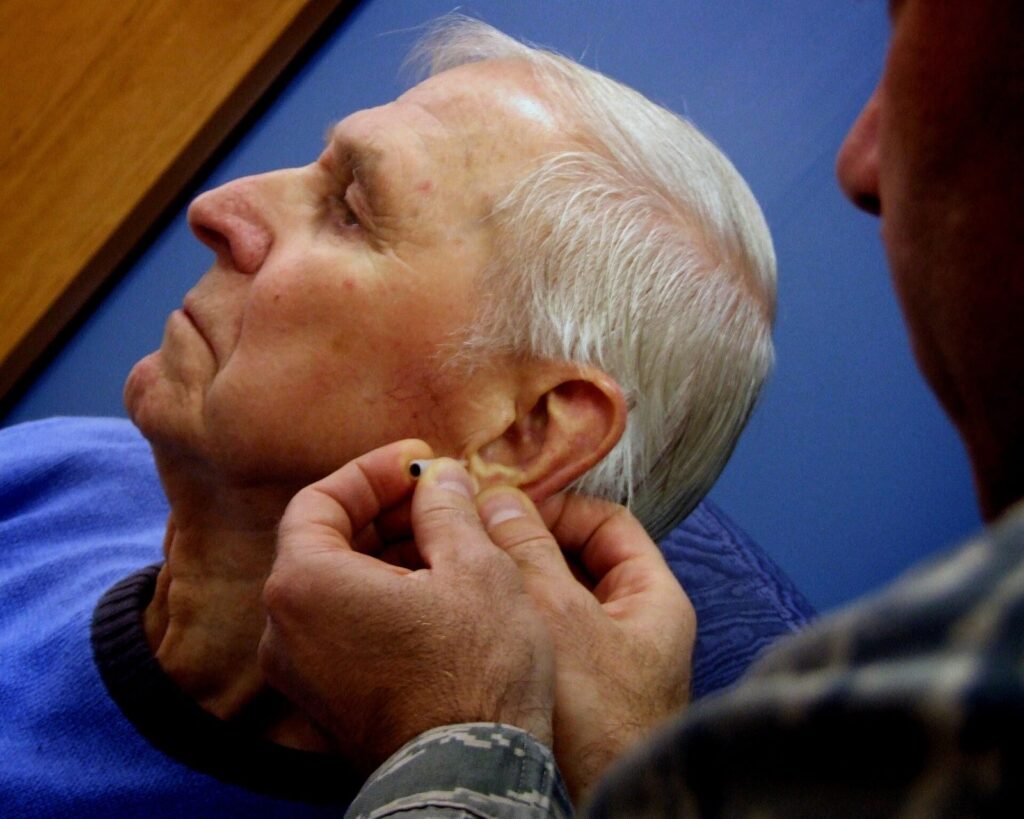

Acupuncture is not a proven treatment for hair loss. A few small studies have looked at it, mainly for alopecia areata and stress-related shedding, but the evidence is limited and of mixed quality. Some people find it relaxing and use it alongside medical care. It should not replace a diagnosis or treatments with stronger evidence, especially for pattern hair loss.
What acupuncture involves
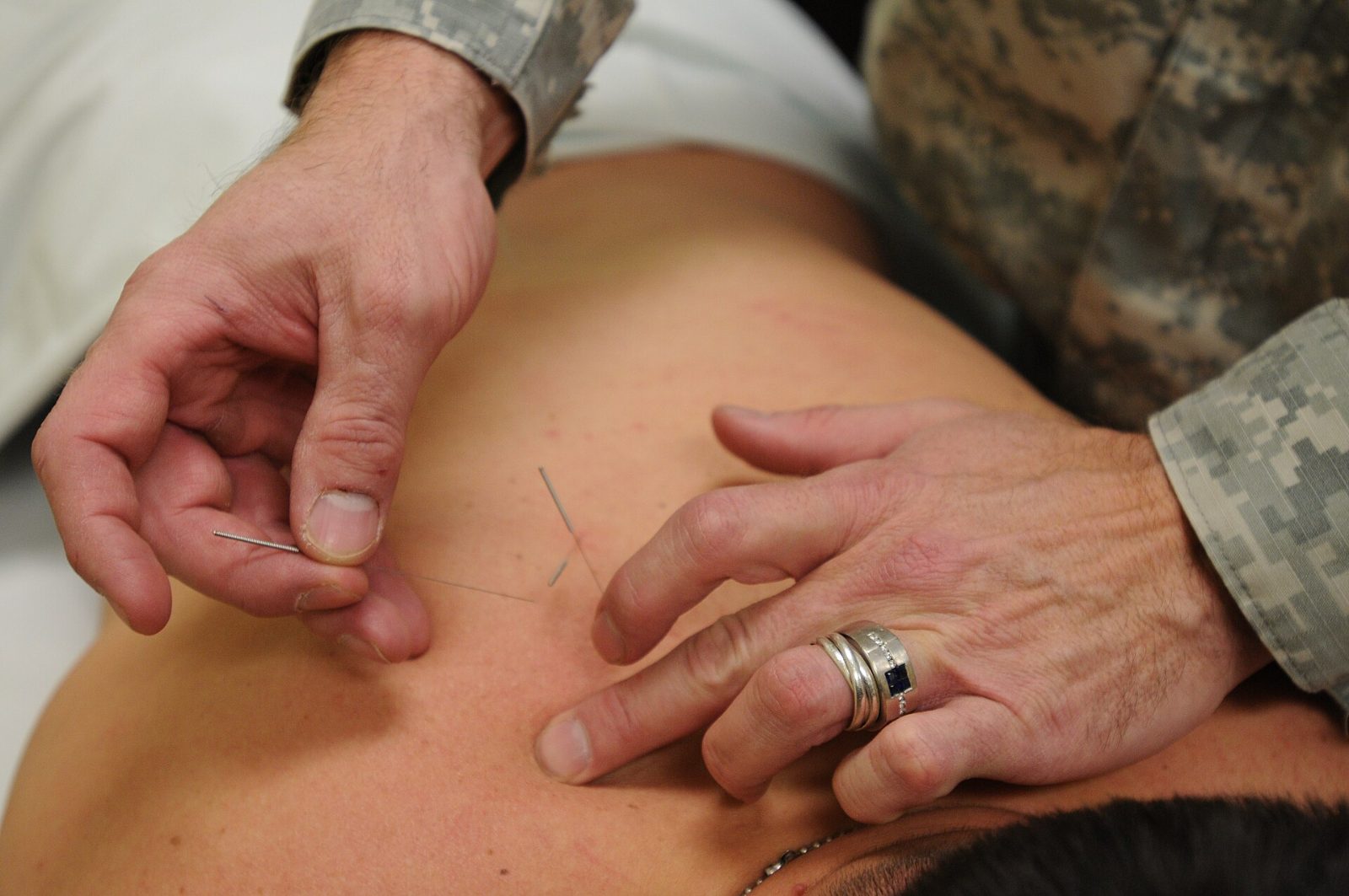
Acupuncture comes from traditional Chinese medicine. A practitioner inserts very fine, sterile, single-use needles into specific points on the body, sometimes including the scalp, and leaves them in place for a short time. Variations include electroacupuncture, in which a mild electric current passes through the needles, and “plum blossom” or seven-star needle tapping on the skin, which is sometimes compared with microneedling.
Traditional theory describes acupuncture as balancing the flow of energy. Researchers who study it look at possible effects on blood flow, nerves, inflammation and stress hormones. Whether any of these translate into meaningful hair regrowth is not established.
What the evidence says
| Type of hair loss | Acupuncture evidence | Treatments with stronger evidence |
|---|---|---|
| Pattern hair loss (androgenetic alopecia) | Very little research; no reliable evidence of benefit | Licensed topical and oral medicines, hair transplant for suitable candidates |
| Alopecia areata (patchy, autoimmune) | A few small studies, some positive, generally low quality | Corticosteroid treatments and newer medicines prescribed by specialists |
| Telogen effluvium (temporary shed after stress or illness) | Not well studied | Treating the trigger; usually improves with time |
| Hair loss from deficiencies or thyroid disease | No role | Correcting the underlying problem |
The US National Center for Complementary and Integrative Health describes acupuncture research generally as promising for some pain conditions but notes that results for many other uses are inconclusive. Hair loss falls into that second category.
Why small studies can mislead
Alopecia areata and stress-related shedding often improve on their own. Without a proper comparison group, a study can make it look as if a treatment caused regrowth that would have happened anyway.
Where acupuncture might fit
Some people choose acupuncture because they find it calming, and stress can be a factor in some types of hair shedding and in scalp conditions that flare with stress. If that is your reason, it may be reasonable as a complement to medical care, provided your hair loss has been diagnosed and you are not delaying treatment that works.
It is less sensible to spend months on acupuncture for pattern hair loss, where follicles miniaturise progressively. Time matters with pattern loss: the earlier licensed treatment begins, the more hair there usually is to keep. Our hair loss stages guide shows how pattern loss typically progresses.
Safety and who should avoid it
When done by a trained, licensed practitioner using sterile single-use needles, acupuncture is generally considered low risk. Possible side effects include soreness, minor bleeding or bruising at the needle sites, and occasionally dizziness or fainting.
Ask your doctor first, or avoid it, if you
- Have a bleeding disorder or take blood-thinning medicine
- Have a pacemaker or other implanted device (relevant to electroacupuncture)
- Are pregnant, as some points are avoided in pregnancy
- Have an active scalp infection, open wounds, psoriasis flare or eczema where needles would go
- Have a weakened immune system or diabetes affecting healing
Infection is a real risk if needles are reused or hygiene is poor. Never accept needles that are not opened from sealed packaging in front of you.
Choosing a practitioner in the UAE
In the UAE, traditional, complementary and alternative medicine practitioners, including acupuncturists, are regulated by the health authorities. Look for a practitioner and facility licensed by the DHA in Dubai, the DOH in Abu Dhabi or MOHAP in the other emirates, and check their licence through the authority’s online register. A good practitioner will:
- Ask whether you have seen a doctor about your hair loss
- Explain what they expect and how many sessions they suggest
- Use sterile, single-use needles
- Avoid promising regrowth
Be cautious about anyone who advises stopping prescribed treatment or sells expensive packages with guaranteed results.
Use acupuncture, if you choose it, beside a diagnosis and proven care, never instead of them.
Cost and time
Acupuncture usually involves a series of appointments, and prices in the UAE vary by provider and city. Insurance cover for complementary medicine differs between plans, so check your policy before booking. Because evidence for hair loss is weak, weigh the total cost and time of a course against treatments with a stronger track record, and set a clear point at which you will stop if nothing has changed.
Getting the right diagnosis first
Before trying any complementary therapy, it is worth seeing a dermatologist. Hair loss can be a sign of thyroid disease, iron deficiency, hormonal conditions such as PCOS, autoimmune disease or scalp infection, all of which need specific treatment. A doctor can examine your scalp, order blood tests where needed and explain options with stronger evidence.
See a doctor promptly if you have round bald patches, sudden heavy shedding, loss of eyebrows or eyelashes, a painful or scaly scalp, or hair loss with other symptoms such as fatigue, weight change or irregular periods.
If you decide to try it
Agree on a fixed trial period, take standard photos before you start and every couple of months, and keep any medical treatment going as prescribed. That way you can judge honestly whether anything has changed.
Related options people often confuse with acupuncture
Seven-star or plum blossom needle tapping and cosmetic microneedling both create tiny punctures in the skin, but they are different practices with different aims. Microneedling has a small body of research, mainly when combined with topical minoxidil for pattern hair loss. If you are considering any needle-based scalp procedure, ask the provider exactly what is being done and why. For those weighing up more permanent options later, our graft count estimator helps you prepare questions for a hair restoration surgeon.
FAQ
Can acupuncture regrow hair?
There is no reliable evidence that it regrows hair in pattern hair loss. Evidence for other types is limited and low quality.
Is acupuncture safe on the scalp?
Generally yes, with a licensed practitioner and sterile single-use needles, unless you have a condition that makes needling unsuitable.
How many sessions do people usually have?
Practitioners often suggest a course of sessions, but there is no evidence-based number for hair loss. Agree on a time limit to review.
Can I combine acupuncture with minoxidil or other medicines?
Usually, but tell your doctor and practitioner about everything you are using, and avoid applying topicals to freshly needled skin without advice.
Sources: National Center for Complementary and Integrative Health, American Academy of Dermatology, NHS
Last reviewed: 2026-11-26. General information only, not medical advice. Please consult a licensed practitioner in the UAE about your own situation.