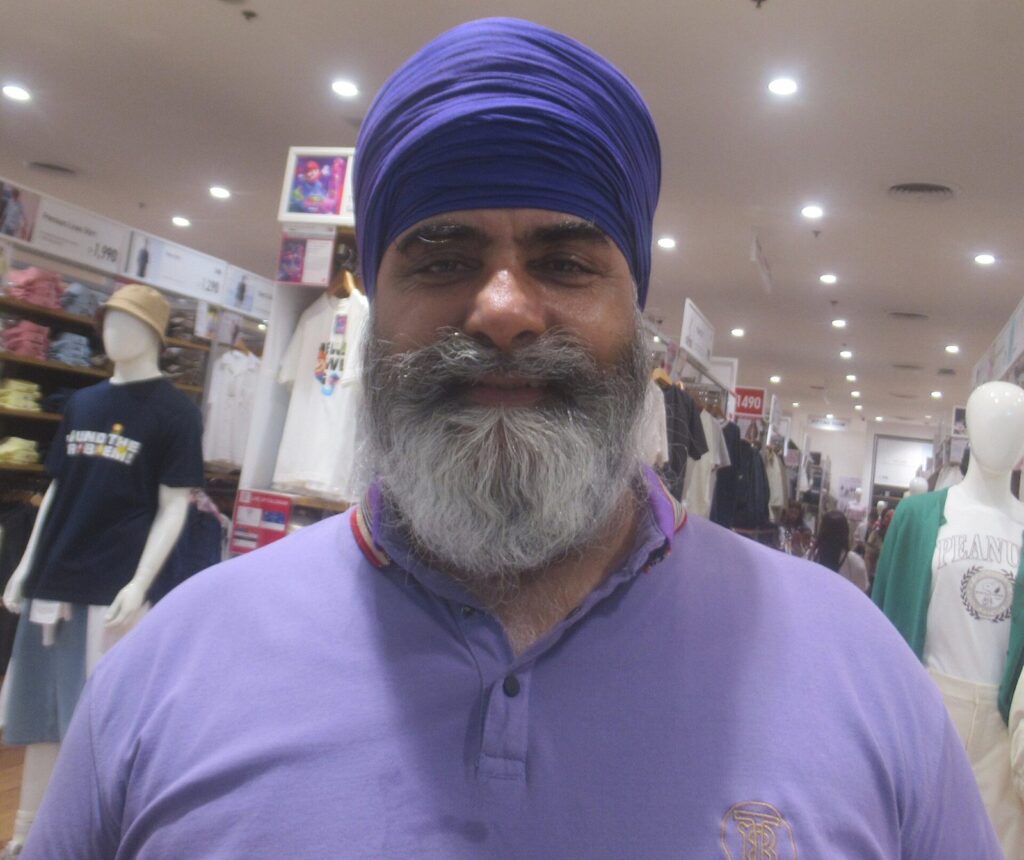

A beard hair transplant moves hair follicles, usually from the back of the scalp, into patchy or thin areas of the beard, moustache or sideburns. It is the same surgical principle as a scalp transplant, typically using the FUE method, and the moved hairs keep growing for the long term. It suits men with genuinely sparse facial hair after other causes have been ruled out, and it needs careful planning of angle and density to look natural.
Why some beards grow patchy
Facial hair growth depends mostly on genetics and on how sensitive the follicles are to androgens such as testosterone and DHT. Many men with normal hormone levels simply have fewer follicles on the cheeks or around the mouth. Age also plays a part: beards often keep filling in through the early to mid twenties.
Some causes need medical attention rather than surgery:
- Alopecia areata, which causes round smooth patches and can affect the beard (sometimes called alopecia barbae).
- Scarring from acne, injury or burns.
- Hormonal or thyroid problems, which usually affect more than just the beard.
- Fungal infection of the beard area, more likely in hot, humid conditions.
A dermatologist can tell these apart, often just by examining the skin. Do not plan surgery for a beard that is patchy because of active alopecia areata, as the transplanted hairs can also be affected.
How the procedure works
- Design. The surgeon draws the planned beard line and the zones to fill, with you, in front of a mirror.
- Donor harvesting. Grafts are extracted with FUE, usually from the back of the scalp. Single-hair grafts are preferred for the face because they look finer.
- Recipient sites. Very small incisions are made at a sharp angle so hairs lie flat along the skin, following the natural direction of beard growth, which changes across the cheek, jaw and neck.
- Implantation. Grafts are placed one by one.
The procedure is done under local anaesthetic. Depending on the area, it can take several hours.
| Area | Typical goal | Planning focus |
|---|---|---|
| Moustache | Fill gaps and corners | Downward and outward angle |
| Goatee and chin | Connect moustache to chin | Density around the lips |
| Cheeks | Define the upper beard line | Very flat angle, soft edges |
| Sideburns | Join hairline to beard | Matching the scalp hair direction |
| Jawline and neck | Thicken and define | Natural, uneven neck line |
The number of grafts depends on the area and your goals. A surgeon should explain the figure; our graft count estimator gives a rough idea of how grafts relate to coverage on the scalp, though facial density is planned differently.
Healing and timeline
What a typical recovery looks like
- First few days: redness, small crusts around each graft, mild swelling.
- Around a week: crusts fall away with gentle washing.
- Weeks 2 to 6: most transplanted hairs shed. This is expected.
- Months 3 to 4: new beard hair starts to grow.
- Months 6 to 12: the result matures and can be shaped and trimmed.
The scalp donor area is usually hidden once surrounding hair grows back, though very short haircuts may show small dot scars.
Aftercare in the UAE climate
Facial skin is exposed to sun and heat, so aftercare needs some thought in the UAE:
- Avoid direct sun on the face in the first weeks and follow your surgeon’s advice on sunscreen once crusts have gone.
- Do not shave the area until the surgeon allows it; many advise waiting several weeks.
- Avoid saunas, steam rooms, swimming and heavy exercise for the period advised.
- Sleep on your back for the first nights if possible, to avoid rubbing the face on the pillow.
- Do not pick crusts, even when they itch.
Natural direction matters more than density: a slightly thinner beard at the right angle looks better than a thick one pointing the wrong way.
Risks
Common: redness, swelling, temporary numbness, small pimple-like spots as hairs grow through. Less common: infection, ingrown hairs, poor growth, visible scarring, or an unnatural direction of growth. Scalp hair can be slightly different in texture from beard hair, which is usually manageable but worth discussing before surgery.
Seek medical advice promptly if
- Redness spreads or the face feels hot and increasingly painful.
- You develop a fever.
- Swelling around the eyes keeps increasing after the first few days.
- Pus or a persistent bad smell appears at the graft sites.
Who should not have one, or should wait
- Men under their mid twenties whose facial hair may still be developing.
- Anyone with active alopecia areata or an untreated skin infection in the area.
- People with bleeding disorders or uncontrolled diabetes, unless cleared by their doctor.
- Those with insufficient donor hair on the scalp, particularly if a scalp transplant may be needed later.
Non-surgical alternatives
Some men try topical minoxidil on the beard. It is not approved for this use in many countries, evidence is limited, and any effect may fade if it is stopped. Discuss it with a dermatologist first, as it can irritate the skin and has general precautions. Microneedling, PRP and beard-growth supplements are also marketed, with weak evidence. Patience, a good trim and choosing a beard style that suits the growth you have are underrated options.
Choosing a clinic in Dubai
Beard transplants are surgery. In Dubai, check that both the facility and the doctor are licensed by the Dubai Health Authority. Ask who designs the beard line, who makes the incisions and who implants the grafts, and ask to see before-and-after photos of beard cases specifically, not just scalp transplants. Prices vary by clinic and graft count, so compare written quotes that list exactly what is included.
Frequently asked questions
Will the transplanted beard hair look like scalp hair?
It comes from the scalp, so texture can differ slightly, but once grown and trimmed most people find it blends in. Discuss this with your surgeon.
Can I shave the transplanted area later?
Yes. Once healed, transplanted hairs can be shaved, trimmed and styled like the rest of the beard.
Is a beard transplant permanent?
Transplanted hairs from the back of the scalp are generally resistant to the hormone-driven loss that affects the top of the head, so most keep growing long term.
How long until I can return to work?
Many people return within a week, once redness and crusts have settled enough to feel comfortable.
Sources: Dubai Health Authority, International Society of Hair Restoration Surgery, American Academy of Dermatology
Cover photo: P1898, CC BY 4.0. Last reviewed: 2026-11-25. General information only, not medical advice. Please consult a licensed practitioner in the UAE about your own situation.