
Eyebrows can thin or fall out for many reasons, including years of plucking or threading, natural ageing, skin conditions such as eczema or seborrhoeic dermatitis, thyroid disease, alopecia areata, nutritional deficiencies, and side effects of some treatments. Some causes are easy to fix and some need medical care, so sudden loss, patches or loss of other body hair should always be checked by a doctor.
Common causes of eyebrow loss
| Cause | Typical pattern | Other clues |
|---|---|---|
| Over-plucking, threading or waxing | Thin brows in shaped areas | Long history of grooming; slow regrowth |
| Ageing | Gradual thinning, especially outer brows | Greying, finer hairs |
| Thyroid disease | Thinning, classically of the outer third | Fatigue, weight change, feeling cold or hot |
| Alopecia areata | Sudden patches, sometimes one brow | Round patches on scalp or beard, nail pitting |
| Frontal fibrosing alopecia | Gradual loss of brows, receding frontal hairline | More common in postmenopausal women; needs a dermatologist |
| Eczema, seborrhoeic or contact dermatitis | Redness, flaking, itching | Reaction to brow products, dyes or tint |
| Nutritional deficiencies | Diffuse thinning | Iron or other deficiencies, restrictive diets |
| Chemotherapy and some medicines | Loss during or after treatment | Usually regrows after treatment ends |
| Trichotillomania | Irregular loss from pulling | Urge to pull hairs, often under stress |
Grooming habits and traction
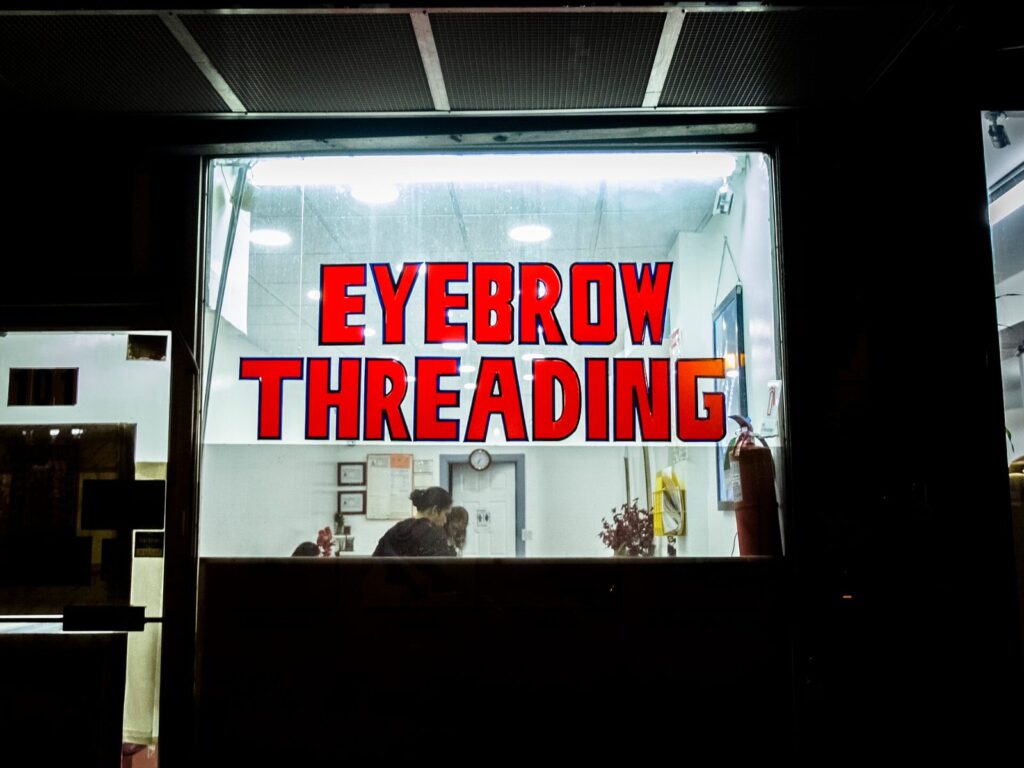
Years of tweezing, threading or waxing in the same places can damage follicles so that hairs grow back finer or not at all. Threading and waxing are popular across the UAE, and frequent grooming over a long time is one of the most common reasons for thin brows. If you want to let brows grow back, many dermatologists suggest stopping all hair removal for several months and avoiding brow tints or dyes that can irritate the skin.
Eyebrow hair grows slowly and has a short growth cycle, so regrowth after grooming can take months. Be patient before judging whether hairs are returning.
Medical causes worth checking
Thyroid problems. Both underactive and overactive thyroid can cause hair thinning. Loss of the outer part of the eyebrows has long been linked with hypothyroidism, though it is not specific to it. Blood tests can check thyroid function.
Alopecia areata. An autoimmune condition that can cause sudden patchy loss of eyebrows, eyelashes, scalp and beard hair. Treatments exist and should be guided by a dermatologist.
Frontal fibrosing alopecia. A scarring hair loss that often starts with eyebrow loss and a receding hairline. Early diagnosis matters because lost follicles may not recover.
Skin inflammation. Eczema, seborrhoeic dermatitis and allergic reactions to brow products can cause itching, redness and hair breakage around the brows.
See a doctor promptly if you notice
- Sudden eyebrow loss over weeks
- Loss of eyelashes, beard hair or body hair at the same time
- Bald patches on the scalp, or a receding hairline at the front
- Redness, scaling, scarring or pain in the brow area
- Fatigue, weight change, palpitations or other new symptoms
Tests a doctor may suggest
Depending on your symptoms, a doctor may examine the skin and hair with a dermatoscope, arrange blood tests such as thyroid function, full blood count and ferritin, and occasionally take a small skin biopsy if scarring alopecia is suspected. In the UAE, a family doctor can usually start tests, and a dermatologist can confirm the diagnosis. Our article on which doctor to consult for hair loss explains the steps.
Treatment options
Treatment depends on the cause:
- Stopping grooming and irritating products for brows thinned by plucking or dermatitis.
- Treating the underlying condition, such as thyroid disease or iron deficiency, under medical supervision.
- Prescribed treatments for alopecia areata or inflammation, such as topical or injected corticosteroids, used by dermatologists in suitable cases.
- Topical minoxidil is sometimes used off-label on brows, but it should only be used near the eyes under medical guidance.
- Eyebrow transplant, where follicles are moved from the scalp to the brows, is an option for stable loss in some people. Transplanted hairs keep the growth pattern of scalp hair and need regular trimming.
With eyebrow loss, finding the cause comes first. A tint or tattoo can hide the problem but not treat it.
Cosmetic options while you wait
Ways to fill in brows
- Brow pencils, powders and tinted gels for daily use
- Semi-permanent tints, if your skin tolerates them; patch test first
- Microblading or cosmetic brow tattooing, which deposit pigment into the skin
- Brow serums: many contain conditioning ingredients but evidence for regrowth is limited
Microblading and brow tattooing are semi-permanent and carry risks such as infection, allergic reaction and uneven fading. In the UAE, choose a licensed clinic with strict hygiene, ask about pigment ingredients, and check healed results. Avoid cosmetic tattooing over areas of active alopecia areata or scarring alopecia until a dermatologist has reviewed you, since some treatments may need direct access to the skin.

What to bring to your appointment
A short record makes the consultation more useful:
- When you first noticed thinning, and whether it was gradual or sudden
- Your grooming history: plucking, threading, waxing, tinting or laminating, and how often
- Any new brow products, makeup or skincare used before the change
- Other hair changes: scalp, eyelashes, beard or body hair
- Recent illness, stress, pregnancy, weight change or new medications
- Clear photos of your brows over the past year, if you have them
These details help the doctor narrow down the cause quickly and decide which tests are needed.
Sun, skin and climate
Strong UAE sun can fade brow tints and cosmetic pigment faster, and sunburn around the brows can irritate already sensitive skin. Use sunscreen around the brow area, avoiding the eyes, and wear sunglasses outdoors. Air-conditioned environments can dry out the skin, so a gentle moisturiser may help if brows are flaky.
Supporting regrowth at home
While you wait for brows to recover, gentle care helps. Remove makeup softly with a mild cleanser rather than rubbing, avoid scrubbing the brow area with exfoliating products, and resist the urge to pluck stray hairs that grow in, because they may be the start of fuller regrowth. If you tend to rub or pull at your brows when stressed or concentrating, keeping hands busy and noticing the habit can help; a doctor can support you if pulling feels hard to control.
A balanced diet with enough protein and iron supports hair in general. High-dose supplements are not proven to regrow eyebrows and some can interfere with blood test results, so check with your doctor before starting any.
Frequently asked questions
Will my eyebrows grow back after over-plucking?
Often, if follicles are not permanently damaged. Stop all removal for several months and be patient.
Does castor oil regrow eyebrows?
There is little scientific evidence. It may condition hairs but is unlikely to treat medical causes.
Can stress make eyebrows fall out?
Stress can contribute to alopecia areata or hair pulling. Sudden loss should be checked by a doctor.
Is an eyebrow transplant permanent?
Transplanted hairs usually keep growing, but they behave like scalp hair, so they need trimming and results depend on the surgeon.
Sources: American Academy of Dermatology, British Association of Dermatologists, NHS
Cover photo: Billie Grace Ward from New York, USA, CC BY 2.0. Last reviewed: 2026-11-25. General information only, not medical advice. Please consult a licensed practitioner in the UAE about your own situation.