
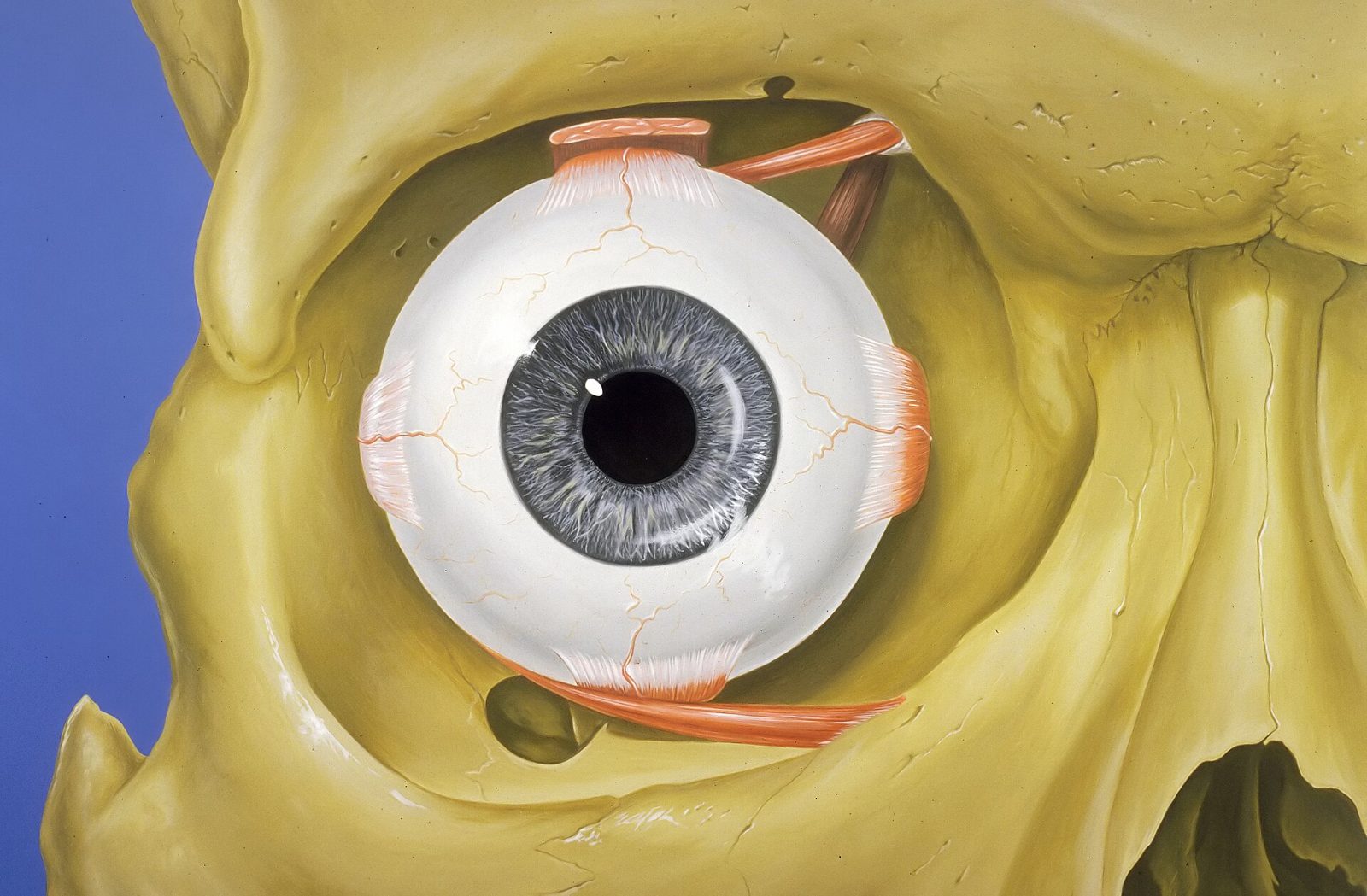
PRP under the eyes means injecting a small amount of your own platelet-rich plasma into the thin skin of the lower eyelid area, with the aim of improving skin quality, fine lines and some types of dark circles. Results tend to be subtle and gradual, the evidence is still limited, and it does not fix every cause of dark circles, so a proper diagnosis comes first.
What PRP is, briefly
Platelet-rich plasma is prepared from a sample of your own blood. The blood is spun in a centrifuge so the platelets concentrate in part of the plasma. Platelets carry growth factors involved in tissue repair, and the idea behind cosmetic PRP is that placing them in the skin may encourage collagen and better skin texture over time.
Because the material comes from your own body, allergic reactions to the PRP itself are unlikely. That does not make the procedure risk-free. The under-eye area is delicate, full of small blood vessels, and close to the eye, so injector skill matters a great deal.
Why dark circles happen
The reason dark circles appear matters more than the treatment you choose. They usually come from one or more of these:
| Cause | What it looks like | Might PRP help? |
|---|---|---|
| Thin skin showing vessels underneath | Bluish or purplish tint | Possibly, by improving skin quality over time |
| Fine lines and crepey texture | Wrinkled, papery skin | Possibly |
| Pigmentation | Brown shadowing, common in darker skin types and with sun exposure | Limited; often needs pigment-focused care |
| Hollowing (tear trough) | Shadow from volume loss | Limited; hollowing is a volume issue |
| Puffiness and fat pads | Bags that cast shadows | No; may need other approaches |
| Allergies, sleep, lifestyle | Temporary darkening and puffiness | Address the cause first |
Pigmentation is especially relevant in the UAE, where strong year-round sun and a wide range of skin types make brown under-eye shadowing common. Sun protection and medical skincare are often the foundation before any injectable.
What the evidence says
Small studies have reported improvements in under-eye skin tone, texture and fine lines after PRP sessions, but most are small, use different preparation methods and do not follow people for long. There is no single agreed protocol for concentration, volume or number of sessions. So PRP under the eyes is best viewed as an option with modest, variable results, not a guaranteed fix.
Be cautious about any provider that promises dramatic change from one session, or that uses before and after photos without explaining lighting, angle and timing.
How a typical treatment goes
- A consultation to examine the area, discuss your medical history and decide whether PRP is suitable.
- A small blood sample is taken, usually from the arm.
- The sample is processed in a centrifuge to concentrate the platelets.
- Numbing cream may be applied to the under-eye area.
- The PRP is placed with a fine needle or cannula, or sometimes combined with microneedling.
The appointment is often around an hour including preparation. Clinics commonly suggest a course of several sessions spaced weeks apart, but this varies, and you should ask why a particular number is recommended for you.
Microneedling with PRP
Some clinics apply PRP topically after microneedling rather than injecting it. The under-eye skin is very thin, so the depth and technique need to be chosen carefully. Our separate guide on microneedling with PRP explains that combination in more detail.
Side effects and risks
Common, usually short-lived reactions:
- swelling and puffiness for a day or more
- bruising, which can last over a week in this area
- redness, tenderness and needle marks
Less common but more serious risks include infection and injury to vessels near the eye. Any injectable near the eye should only be done by a licensed doctor or appropriately licensed practitioner in a licensed facility. In the UAE, cosmetic injectables are regulated by health authorities such as the Dubai Health Authority, the Department of Health in Abu Dhabi, and the Ministry of Health and Prevention, so checking that the practitioner and clinic are licensed is a sensible first step.
Seek urgent medical help if you notice
- Any change in vision, eye pain or loss of sight
- Severe or worsening pain, skin turning pale, grey or dusky
- Spreading redness, heat, pus or fever
Who should avoid it or wait
PRP under the eyes is not recommended or needs careful review if you:
- have a blood or platelet disorder, or take blood thinners (do not stop medication without your doctor’s advice)
- have an active infection, cold sores or skin disease around the eyes
- are pregnant or breastfeeding, as many clinics postpone elective treatments
- have certain cancers or are undergoing cancer treatment
- have unrealistic expectations, or bags and hollows that need a different approach
PRP may improve the quality of thin under-eye skin. It does not reliably remove bags, deep hollows or pigment on its own.

Questions to ask at your consultation
A good consultation should feel like a medical assessment, not a sales pitch. Useful questions include:
- What do you think is causing my dark circles, and is PRP the right tool for that cause?
- How is the PRP prepared here, and will it be injected or applied with microneedling?
- Who will perform the treatment, and what is their licence and experience with the under-eye area?
- How many sessions do you suggest, how far apart, and what result would you consider realistic?
- What happens if I bruise badly or something goes wrong, and how do I reach you after hours?
Ask for the full cost of a course in writing, including consultation and follow-up visits, because pricing structures differ a lot between clinics and emirates.
Alternatives worth discussing
Depending on the cause, a dermatologist may suggest other options first or alongside PRP. For pigmentation, that may mean strict daily sun protection and prescription or medical-grade topical products. For hollowing, hyaluronic acid filler placed by an experienced injector is sometimes used. For puffiness and fat pads, a surgical opinion may be more appropriate. Allergies, poor sleep, dehydration in the UAE heat and rubbing the eyes can all make circles look worse, so improving those basics is a low-risk place to start.
Aftercare basics
Follow your clinic’s instructions. Typical advice includes avoiding makeup on the area for a short time, sleeping with the head slightly raised the first night, avoiding saunas and intense exercise briefly, and using cold compresses if allowed. Daily sunscreen and sunglasses help protect results, especially in the UAE where midday UV is intense even in winter.
Frequently asked questions
How long until I see results from PRP under the eyes?
Changes are gradual. Many people assess results over a few months, after a course of sessions.
Is PRP better than filler for dark circles?
They do different things. Filler adds volume to hollows, while PRP aims at skin quality. Some people need neither, some need one, and the choice depends on the cause.
Does PRP under the eyes hurt?
Most people describe pressure and stinging. Numbing cream reduces discomfort.
Are the results permanent?
No. Skin keeps ageing, so any improvement fades over time and maintenance is often discussed.
Sources: American Academy of Dermatology, Dubai Health Authority, Department of Health Abu Dhabi
Cover photo: User:Diliff, CC BY 2.5. Last reviewed: 2026-11-25. General information only, not medical advice. Please consult a licensed practitioner in the UAE about your own situation.