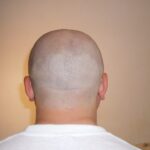

Scalp micropigmentation (SMP) is a cosmetic tattoo technique that places thousands of tiny pigment dots in the scalp to imitate the look of short, shaved hair follicles or to add density behind thinning hair. It does not grow hair or treat the cause of hair loss. It changes how the scalp looks, and for many people with advanced hair loss or scars it gives a neat, low-maintenance result.
How SMP works
A practitioner uses a fine needle to deposit pigment into the upper layers of the skin. Unlike a traditional body tattoo, the dots are tiny, deliberately varied, and placed shallower, so they look like the shadow of stubble rather than solid ink. The pigment is chosen to match your natural hair colour and skin tone, usually slightly lighter than you might expect, because tattooed pigment can look darker and cooler once healed.
Treatment is normally built up over several sessions, often two to four, a week or more apart. Each session adds layers of dots so the final look has depth and natural variation.
Who SMP may suit
| Situation | How SMP is used | Things to consider |
|---|---|---|
| Advanced male pattern hair loss | Recreates a shaved-head look with a defined hairline | You will need to keep hair very short |
| Diffuse thinning (men or women) | Dots placed between existing hairs to reduce scalp show-through | Hair must stay long enough to cover the dots naturally |
| Scars from hair transplant (strip scar) or injury | Pigment camouflages the scar | Scar tissue can take pigment unevenly |
| Alongside a hair transplant | Adds visual density to transplanted areas | Timing should be coordinated with the surgeon |
| Alopecia areata | Sometimes used for stable patchy loss | Active disease can change the pattern; medical advice first |
People with active scalp conditions, keloid scarring tendency or unpredictable hair loss should get a dermatologist’s opinion before SMP.
What sessions are like
Most sessions take a few hours. The scalp is cleaned, the hairline is designed and agreed with you, and the practitioner works in sections. Many people describe the sensation as scratching or prickling, more uncomfortable over the crown and temples. Redness is common for a day or two.
Aftercare in the first days
- Keep the scalp dry for the period your practitioner advises, often several days.
- Avoid sweating heavily, gym sessions, saunas and swimming at first.
- Do not scratch or pick at the scalp.
- Keep out of direct sun, and use a loose hat once allowed.
- Follow the practitioner’s guidance on when to resume shaving.
How long SMP lasts, and the sun factor
SMP is semi-permanent. Pigment gradually fades and can lighten or shift in tone over the years. Many people need touch-up sessions every few years, though this varies a lot with skin type, pigment, technique and lifestyle.
UV light is one of the main reasons tattoos fade. In the UAE, where strong sun is present year-round and many people with SMP keep a shaved head, scalp sun protection is important for both the pigment and the skin. Daily sunscreen on the scalp, or a hat outdoors, helps results last and lowers skin cancer risk.
SMP is a design choice you live with for years. Spend more time choosing the practitioner than choosing the date.
Designing a hairline that ages well
The hairline is the part people notice first, and the part that is hardest to change later. Experienced practitioners usually avoid a perfectly straight, sharp line, because natural hairlines are soft and slightly irregular, with fine dots at the front that become denser further back. They also consider age. A hairline that looks right on a 25-year-old may look out of place at 50, so many practitioners suggest a slightly higher, more mature position that will still suit you in later years.
Before any needle work starts, ask to see the hairline drawn on your scalp with a pencil, look at it in a mirror from several angles, and take photos. Do not feel rushed to agree on the day.

Living with SMP day to day
SMP that imitates a shaved head only looks right if the remaining hair is kept very short, so most people shave every one to three days. An electric shaver or clippers with a close guard are commonly used; ask your practitioner when it is safe to use a razor after a session.
Other practical points:
- Moisturise the scalp. A shaved scalp in air-conditioned rooms and dry desert air can feel tight and flaky. A light, fragrance-free moisturiser helps.
- Avoid harsh exfoliation. Strong scrubs and chemical peels on the scalp can speed up fading.
- Plan around swimming. Chlorine and long sessions in the sea may affect fading over time; rinse afterwards and protect the scalp from sun.
- Expect touch-ups. Budget time and cost for refreshing the pigment in future years.
- Think about the long term. If your remaining hair continues to recede, the shaved look and SMP pattern may need to be extended later.
Risks and things that can go wrong
- Infection, if hygiene standards are poor. Needles must be single-use and the environment clean.
- Allergic reaction to pigment, which is uncommon but possible.
- Pigment spreading (blowout), giving blurry dots if needles go too deep.
- Colour change over time, sometimes towards blue or green with unsuitable inks.
- An unnatural hairline, too low, too straight or too sharp, which ages poorly.
- Difficulty removing it. Laser removal is possible but can take several sessions and may not be perfect.
See a doctor if you notice
- Increasing pain, swelling, heat, pus or fever after a session
- A spreading rash or severe itching
- Raised, thickened scars forming
Choosing a provider in the UAE
Ask to see healed results, not just fresh photos, and ideally results that are at least a year old. Ask about training, how many procedures the practitioner has done, which pigments are used, and how needles and equipment are sterilised. A careful provider will ask about your medical history, skin conditions and medicines, and should suggest seeing a dermatologist if your hair loss is not yet diagnosed. Check the clinic or salon is properly licensed by the relevant local authority. Prices vary widely, so get a written quote that includes all sessions and any touch-ups.
If you are also weighing up a transplant, our graft estimate table and hair loss stages guide can help you understand the alternatives.
Frequently asked questions
Does scalp micropigmentation damage hair follicles?
When done correctly at the right depth, it is not expected to damage follicles, though evidence is limited. Choose an experienced practitioner.
Can I have SMP and a hair transplant?
Yes, some people do. Coordinate timing with your surgeon, as the scalp needs to heal fully first.
Will SMP look natural with grey hair?
As hair greys, contrast with the pigment changes. Discuss future colour changes with the practitioner.
Can SMP be removed?
Laser removal is possible but may need several sessions and may not remove all pigment.
Sources: American Academy of Dermatology, British Association of Dermatologists, NHS
Last reviewed: 2026-11-25. General information only, not medical advice. Please consult a licensed practitioner in the UAE about your own situation.