
There is no good evidence that creatine causes hair loss. The worry comes mainly from one small 2009 study in college rugby players, which found that a creatine loading phase raised blood levels of DHT, a hormone involved in pattern hair loss. That study did not measure hair loss at all, it has not been clearly replicated, and later research has not shown creatine causing hair loss. People with a strong family history of pattern hair loss who are worried can discuss it with a dermatologist, but for most people creatine is not a meaningful hair risk.
What creatine is
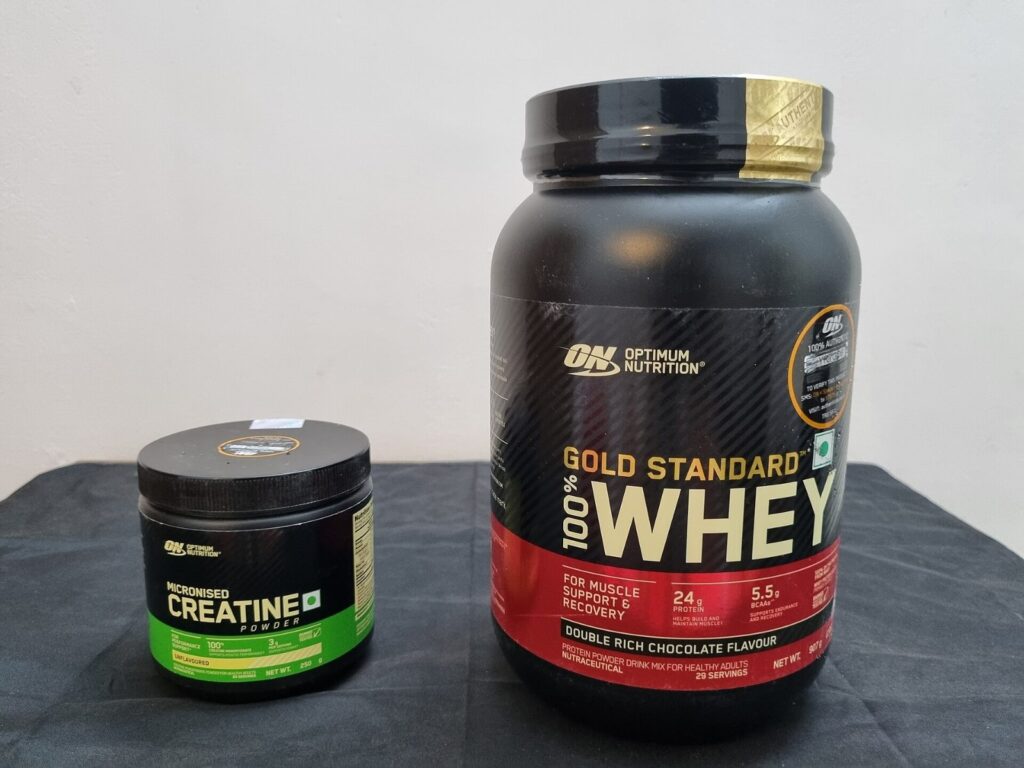
Creatine is a compound made naturally in the body and found in meat and fish. Muscles use it to regenerate energy for short, intense efforts such as sprinting and lifting. Creatine monohydrate is one of the most researched sports supplements, with good evidence for improving strength and power in resistance training. It is widely sold in UAE gyms, pharmacies and supplement shops.
Where the hair loss idea comes from
In 2009, researchers studied a small group of young male rugby players in South Africa. Those who took creatine (a loading phase, then a maintenance dose) showed a rise in DHT (dihydrotestosterone) levels in the blood over three weeks compared with placebo. Testosterone itself did not change significantly.
Because DHT drives androgenetic alopecia in genetically susceptible people, the result was widely shared online as proof that creatine causes baldness. That conclusion goes much further than the study.
| What the study did | What it did not do |
|---|---|
| Measured blood DHT and testosterone | Measure hair loss, hair counts or scalp follicles |
| Studied about 20 young men | Include women or older adults |
| Lasted three weeks | Follow people over months or years |
| Found DHT rose and stayed within normal range | Show that this rise causes hair loss |
What later research shows
Other studies of creatine and hormones have generally not found consistent increases in testosterone or DHT. More recently, a small randomised trial specifically looked at creatine, DHT and markers of hair growth over several weeks and did not find meaningful changes. Reviews of creatine safety have not identified hair loss as an established side effect.
The fair summary is that a single hormone result has not turned into evidence of hair loss, despite creatine being used by very large numbers of people for decades.
One unrepeated hormone result is not the same as evidence that a supplement makes hair fall out.
Why people think creatine caused their hair loss
Several things often happen at the same time:
- Age. Many men start creatine in their late teens or twenties, which is also when pattern hair loss commonly begins.
- Other supplements. Some gym-goers also use anabolic steroids, testosterone or “prohormones”, which can clearly accelerate hair loss in susceptible people. Pre-workout blends may contain undeclared ingredients.
- Diet changes. Aggressive cutting diets, low calories and low protein can trigger temporary shedding (telogen effluvium).
- Stress and sleep. Hard training blocks, poor sleep and stress can also contribute to shedding.
Anabolic steroids and prohormones
These products can speed up pattern hair loss and carry serious health risks, including heart, liver and hormonal effects. They are controlled substances in many countries, including the UAE. If you are using them, speak to a doctor.
Who might be cautious
If you have a strong family history of early pattern hair loss, are already noticing a receding hairline or crown thinning, or are being treated for hair loss, you may prefer to discuss creatine with your dermatologist. Some people choose to avoid it as a precaution. That is a personal decision, not one the evidence demands.
People with kidney disease, or those taking medicines that affect the kidneys, should speak to their doctor before taking creatine. It is generally not recommended in pregnancy or for children without medical advice.
How to tell what is really happening
Signs that suggest pattern hair loss rather than a supplement effect
- Gradual recession at the temples or thinning at the crown in men.
- Widening of the parting in women.
- A family history of similar hair loss.
- Thinner, finer hairs in affected areas rather than sudden, diffuse shedding.
Sudden diffuse shedding two to three months after a diet change, illness or stressful event points more to telogen effluvium. Patchy smooth hair loss suggests alopecia areata. Our hair loss stages guide and crown hair loss articles help describe what you see.
If you are losing hair
- Photograph your hairline and crown in consistent light.
- Note any changes in diet, medication, supplements or health over the last six months.
- See a dermatologist, who can examine your scalp and order tests if needed.
- Discuss proven treatments for pattern hair loss, such as minoxidil and, for suitable men, finasteride, if appropriate.
Stopping creatine alone is unlikely to change pattern hair loss, but if you prefer to stop while being assessed, that is reasonable.
Using creatine sensibly in the UAE
- Choose products from reputable brands with third-party testing for purity.
- Stick to the dose on the label or advised by a sports dietitian; loading phases are optional.
- Drink enough water, particularly when training in the heat.
- Avoid unlabelled blends and products bought from unofficial sellers.
Frequently asked questions
Will stopping creatine make my hair grow back?
If your hair loss is pattern hair loss, stopping creatine is unlikely to reverse it. A dermatologist can confirm the cause and suggest treatment.
Is creatine safe if I take finasteride?
There is no known interaction, but check with your prescribing doctor.
Does creatine raise testosterone?
Most studies have not found meaningful changes in testosterone. The DHT finding comes from one small study.
Should women worry about creatine and hair loss?
There is no evidence that creatine causes hair loss in women. Women with thinning should see a doctor to check for common causes such as iron deficiency and thyroid issues.
Sources: American Academy of Dermatology, International Society of Sports Nutrition, NIH Office of Dietary Supplements
Cover photo: Ganesh Mohan T, CC BY-SA 4.0. Last reviewed: 2026-11-25. General information only, not medical advice. Please consult a licensed practitioner in the UAE about your own situation.